Bahrain Airport Company (BAC), the operator and managing body of Bahrain International Airport (BIA), has held a Safety Week, in line with its commitment to maintaining the highest standards of aviation safety across airport operations
The initiative brought together aviation professionals, regulators, and industry partners under the theme ‘Human Factors in Aviation Safety’.
Ahmed Mohamed Janahi, BAC acting chief executive officer, emphasised that human performance remains a critical pillar of aviation safety, alongside systems, infrastructure, and technology.
"Safety excellence depends not only on compliance and procedures but also on awareness, decision-making, communication, and a sense of shared responsibility across the airport community," he said. "As we invest in the airport’s infrastructure, we must ensure that our health and safety culture evolves in parallel. Safety Week serves as a key enabler of this objective by providing an opportunity to reinforce good behaviour, collaboration, and accountability across all our operations."
The opening day featured a series of technical and knowledge-sharing session focusing on human factors, which provided insights into local operational challenges and improvement initiatives, as well as looking at human performance and risk management more widely.
A panel discussion titled ‘Challenges Across Bahrain’s Industries’ brought together safety leaders to explore shared challenges, best practices, and opportunities for cross-industry collaboration. It underscored the importance of collective learning in enhancing safety performance across sectors.
The programme also involved safety exercises promoting proactive hazard identification, prevention of runway safety incidents and the importance of shared responsibility in maintaining a safe operating environment.
M42’s Digital Health Solutions (DHS) Platform and TELUS Health are collaborating to introduce personalised employee wellbeing solutions in the UAE that combine wellness, precision medicine and AI-driven healthcare innovation
The two companies are working on an Employee Assistance Program (EAP) that currently includes more than 40 modules covering emotional, lifestyle and wellbeing support. The EAP will be delivered in local languages and aims to lower absenteeism rates while also enabling employers to achieve measurable improvements in productivity and engagement. The two companies will also explore the development of next-generation AI solutions to increase efficiencies and access to care, and progress precision medicine capabilities for tailored health treatments and early preventive interventions for employees. By combining digital infrastructure, AI innovation, and clinical expertise, the venture aims to strengthen healthcare across the UAE and the region, building more resilient health systems and healthier communities.
"By combining TELUS Health’s global expertise with M42’s digital health solutions, we are delivering a truly transformative AI-powered employee assistance programme tailored to the needs of employees in the UAE." said Kareem Shahin, chief executive officer, Digital Health Solutions Platform, and Group Chief Digital Officer, M42. “This solution is designed to support the creation of a health and wellbeing environment where people can thrive, enabling healthier and more resilient communities.”
"The UAE and the region are experiencing a fundamental shift in how organisations approach employee wellbeing," said Mohamed El-Demerdash, president, TELUS Health. "Our agreement with M42’s digital health solutions positions us to be part of that transformation, exploring how our market-leading solutions and world-class mental health support could help employers and their employees. With M42's digital expertise, we have the potential to deliver wellness at scale while respecting the unique cultural context of the region.”
Bahrain has introduced amendments to its labour governance framework following the issuance of Edict No. (5) of 2026 by Salman bin Hamad Al Khalifa, Crown Prince and Prime Minister.
According to the News of Bahrain, the edict amends key provisions of the 2015 legislation governing the Occupational Safety and Health Council, signalling a renewed focus on workplace safety and institutional oversight.
The amendments replace Articles (2) and (3) of the earlier law and establish a revised structure for the council. Under the new framework, the council will be chaired by the Minister of Labour, reinforcing the central role of the Ministry of Labour in shaping occupational safety policy. The Assistant Undersecretary for Labour Relations will serve as vice-chairman.
The restructuring broadens inter-ministerial representation, reflecting a more integrated approach to labour regulation. Senior representatives will join the council from the Ministry of Interior, the Ministry of Oil and Environment, the Ministry of Health, the Civil Service Bureau and the General Organisation for Social Insurance. Representatives from occupational health and safety bodies and trade union federations will also participate.
The inclusion of multiple regulatory and social partners underscores Bahrain’s intention to strengthen compliance, enhance worker protections and align safety standards across sectors. Two additional members, Abdulwahab Yousif Al Hawaj and Samra Abdulrahim Al Qassir, have also been appointed to the council.
The move reflects a broader trend in the Gulf towards modernising labour legislation and reinforcing institutional accountability. By consolidating oversight under a clearer governance structure, Bahrain aims to improve coordination, reduce workplace incidents and support sustainable economic growth through stronger labour protections.
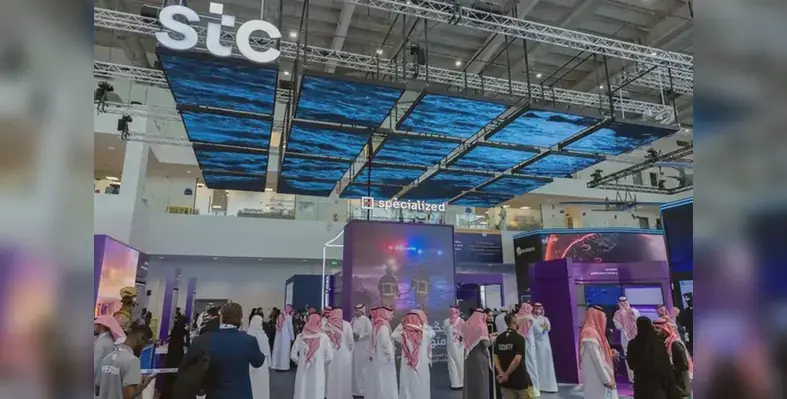
stc group, Saudi Arabia’s leading digital enabler, has returned as the principal partner of World Defense Show (WDS) 2026, the Kingdom’s flagship defence and security exhibition.
The event opened in Riyadh and runs until 12 February, bringing together government representatives, industry leaders and innovators from around the world.
During the exhibition, specialized by stc, the group’s arm focused on mission-critical communications, is showcasing its Mission-Critical Communications (MCC) solution. Designed to deliver secure, high-performance connectivity, the solution provides resilient communications in fast-moving and high-risk environments. While essential for defence operations, the technology also supports other critical sectors where uninterrupted and trusted networks are vital for command execution, operational coordination and mission success.
A central feature of the showcase is the MCC Dome, an immersive exhibition experience that presents real-world mission-critical scenarios. The experience is divided into four interactive zones, beginning with a Crisis Response Simulation that demonstrates multi-agency coordination and highlights how mission-critical networks enable reliable communication and faster, more informed decision-making.
The Satellite Integration Zone focuses on hardened infrastructure and redundancy, designed to extend coverage and ensure service continuity across the Kingdom. This is followed by the Device Zone, which displays a range of rugged, field-ready equipment used by mission-critical personnel. The experience concludes with the Future of Mission-Critical Communications Zone, highlighting emerging technologies including AI-enabled incident prediction, drones, robotics and next-generation critical communication solutions.
In addition to the main display, specialized by stc is presenting dedicated use cases illustrating how mission-critical communications are applied across public safety, energy, healthcare, transportation, entertainment and giga-projects. In these environments, the technology supports emergency medical response, energy infrastructure management and public safety at large-scale events, where timing, reliability and coordination are paramount.
Riyadh Mouawd, chief business officer at stc group, said the event provides a strategic platform to demonstrate how secure connectivity supports real-world operations and national resilience. Khaled Aldharrab, chief executive officer at specialized by stc, added that the group’s responsibility is to ensure vital sectors remain connected during large-scale events, emergencies and complex operations.
stc group’s continued partnership with World Defense Show underscores its role in enabling secure, sector-wide transformation through advanced digital infrastructure, supporting operational readiness, digital sovereignty and long-term resilience across the Kingdom and the wider region.
Recruitment firms are being targeted in Saudi Arabia as officials move to uphold key labour rules and regulations
Some 17 recruitment offices were flagged for breaching recruitment and labour service regulations during the final quarter of 2025, according to the Ministry of Human Resources and Social Development.
Problem areas highlighted among the recruitment companies include the withholding of payments to beneficiaries.
It underscores a broader shift to tighten up the nation’s labour market, including strengthening areas surrounding health, safety and the environment (HSE).
Many labour market regulations on issues like wages or contractual rights dovetail with occupational health and worker welfare under the HSE umbrella.
The latest round up of recruitment offenders continues ongoing efforts to regulate the sector, boost compliance and safeguard the rights of all parties, the Ministry said in a statement.
It reported detecting “multiple violations” and taking statutory measures against a total of 17 recruitment offices during the quarter.
The operations of six offices were suspended immediately, while the licenses of 11 others were revoked for failing to rectify violations within a prescribed timeframe.
The violations identified included breaches of recruitment practice regulations and labour service provisions, delays in refunding amounts due to beneficiaries, and failure to properly address submitted complaints, the Ministry noted.
“This move forms part of the Ministry’s broader regulatory and supervisory efforts to strengthen compliance across the labour market,” it said in the statement.
“It aligns with the Ministry’s strategy to curb improper practices and protect the rights of all parties to contractual relationships, contributing to a well-regulated work environment built on transparency and an improved beneficiary experience.”
The Ministry also reaffirmed its commitment to ongoing monitoring of the performance of recruitment offices and companies, and to enforcing statutory penalties against violators.
ChemDAQ, a specialist in hazardous gas monitoring technologies, has entered into a strategic partnership with Doha-based Sedeer Medical, a healthcare solutions provider and medical equipment distributor
The collaboration aims to extend ChemDAQ’s reach in the Middle East by introducing its continuous, real-time chemical monitoring systems to new regional markets.
As part of the agreement, Sedeer Medical will distribute ChemDAQ’s gas detection solutions across the region, expanding access to advanced workplace safety technologies within healthcare environments. The systems support continuous monitoring in facilities where hazardous gases and chemicals, including ethylene oxide (EtO), hydrogen peroxide (H2O2), and peracetic acid (PAA), are used.
“Partnering with ChemDAQ allows us to offer world-class chemical monitoring solutions to our customers,” said Ramees Vadakkettil, Senior Service Engineer at Sedeer.
“By introducing ChemDAQ's proven monitoring technology to our region, we help hospitals proactively manage risks and ensure the safety of their workforce.”
Alex Hilliker, Executive vice-president at ChemDAQ, added, “Sedeer Medical's expertise and stellar reputation in the region make them the ideal partner to help ChemDAQ grow in this market. This collaboration expands access to our continuous monitoring solutions for hospitals in the Middle East, increasing our global footprint and supporting safer workplaces worldwide.”
The partnership highlights a shared commitment by both organisations to strengthening workplace safety standards and enabling proactive risk management, ensuring more hospitals can benefit from reliable, real-time hazardous gas detection.
Saudi Arabia’s labour market witnessed a number of “landmark achievements” during 2025, according to the Ministry of Human Resources and Social Development
They include strong labour market growth with an estimated 2.5 million Saudis now employed in the private sector, while unemployment dropped to 7.5% in 2025, the Ministry reported in a statement.
Key developments through the year centred around Saudisation efforts, the advance of modern work models, and skills and training.
Saudisation drive: Over 30 decrees covering more that 600 professions were issued during 2025, raising Saudi employment across more key roles, such as engineering, accounting, pharmacy and dentistry.
Modern work models: The Ministry reported 700,000 flexible work contracts, 430,000 freelancers, and 200,000 remote work beneficiaries.
Skills & training: The ‘Waad’ campaign delivered 2 million training opportunities, while 60 workshops were held attracting 14,500 attendees.
To safeguard labour rights and streamline contractual relationships, the ‘Qiwa’ platform has now documented over 12 million employment contracts, the Ministry added.
It said these milestones underscore an “unwavering commitment to global leadership in human and community empowerment,” while simultaneously bolstering labour market competitiveness in line with the nation's Vision 2030.
Other measures implemented in 2025 include the ‘Professional Accreditation’ programme to bolster the quality of expatriate workers across 1,000 professions in 160 countries. To ensure that all incoming workers possess the necessary qualifications to meet Saudi market demands, the Ministry has established a global network of more than 200 professional examination centres, both within the kingdom and abroad.
On the regulatory front, the Ministry’s inspection teams also conducted over 1.2 million field visits to private sector establishments nationwide through the third quarter of 2025 to ensure adherence to labour laws and regulations.
Compliance with the Wage Protection System (WPS) has maintained an upward trend, the Ministry reported, hitting 94%, while the overall compliance rate among visited establishments reached approximately 93%. These figures reflect a growing awareness and commitment among employers toward achieving national Saudisation targets, it added.
The Ministry also extended home-based social care to over 650 people with disabilities, and provided financial subsidies to more than 460,000 individuals throughout 2025. To facilitate daily living and independence, it streamlined access to assistive technology, fulfilling over 30,000 medical device prescriptions via the ‘Wasfaty’ system for 14,000 beneficiaries.
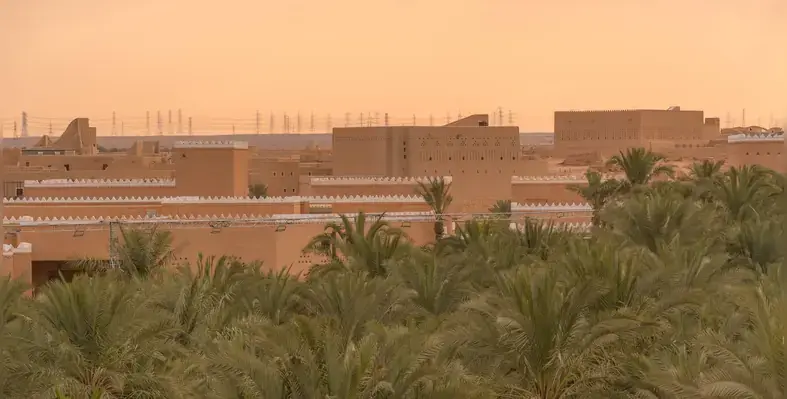
Saudi Arabia’s Diriyah Company, which is developing the Diriyah Project, the Kingdom’s premier historical, cultural and lifestyle destination, has been awarded the prestigious British Safety Council Sword of Honour for achieving a Five-Star Occupational Health and Safety Audit rating
The British Safety Council’s Sword of Honour and Five-Star Audit rating are globally recognised benchmarks for excellence in health and safety management systems. The award recognises the company’s strong commitment to fostering a culture of safety and maintaining world-class health and safety standards and practices across its operations.
To date, Diriyah Company has achieved a Total Recordable Incident Rate (TRIR) of 0.017 for ongoing infrastructure projects, with a workforce of around 50,000 and a fleet of over 2,500 pieces of heavy equipment across the 14 sq. km development.
Jerry Inzerillo, Group CEO of Diriyah Company said, "At Diriyah Company, safety and well-being are not just priorities; they are the foundation of everything we do. This important recognition from the British Safety Council highlights our commitment to world-class systems and processes, as well as setting new benchmarks in health, safety, and crisis management. Our Health & Safety management system goes above and beyond to ensure and protect the welfare of employees, contractors, and on-site teams working across the Diriyah project as its top priority."
Peter McGettrick, chairman of the British Safety Council applauded the company on attaining the highest standards of health and safety management, saying “Achieving recognition of this sort takes absolute dedication and the utmost professionalism.”
The Five Star Audit is a comprehensive, contemporary, and quantified process that benchmarks health and safety management performance against the latest best-practice techniques.
Diriyah Company underwent a comprehensive evaluation of its occupational health and safety policies, processes and practices. The audit process included documentation review, interviews with senior management, employees and other key stakeholders, together with sampling of operational activities. The audit measured performance against key health and safety management best-practice indicators and a detailed review of over 50 component elements.
Diriyah, situated near Riyadh, is steeped in cultural heritage and is a key component of Saudi Arabia’s 2030 Vision. With At-Turaif, the UNESC World Heritage Site as its centrepiece, it is being developed into a mixed-use urban community. Upon completion, Diriyah will house 100,000 residents, workers, students, and visitors, offering a diverse range of cultural, entertainment, retail, hospitality, educational, and residential spaces.
Middle East-based HITEK AI, part of the Farnek group of companies, has signed a three-year SAFETEK Services Agreement with Ghassan Ahmed Al Sulaiman Furniture Trading Co., the operator of IKEA stores in Bahrain and Saudi Arabia.
Under the deal, HITEK AI will deploy its flagship SAFETEK platform, alongside implementation, support and capability-building services designed to improve safety performance, regulatory compliance and operational resilience.
As part of the contract, HITEK AI will deliver its cloud-based SAFETEK web platform and mobile application, available on both iOS and Android. The system will enable real-time reporting, data analysis and compliance management across IKEA’s regional network, supporting more consistent oversight of HSSE activities.
The SAFETEK deployment includes a comprehensive suite of integrated modules covering incident reporting and investigation, audits and inspections, corrective actions, risk assessment and management, safety policies and procedures, training and education, safety equipment and resource management, monitoring and compliance, communication and reporting, documentation and record-keeping, safety observations and emergency preparedness, as well as dashboards and reporting tools.
Beyond technology deployment, the agreement also includes a full diagnosis, development and delivery of IKEA’s HSSE policies and standard operating procedures. These will address a wide range of operational areas, including employee wellbeing, workplace safety, food safety, emergency preparedness and response, physical security and environmental sustainability.
According to the companies, the result will be a structured and compliant HSSE framework aligned with IKEA’s internal governance standards and relevant regulatory requirements in Saudi Arabia and Bahrain. The approach is intended to support consistent implementation across multiple sites while allowing for local compliance obligations.
SAFETEK’s document management capabilities will play a central role in IKEA’s HSSE modernisation programme. The module is expected to improve incident tracking, strengthen training and compliance monitoring, enhance risk assessment processes and increase employee engagement with HSSE practices. The system will be rolled out across IKEA outlets in Riyadh, Jeddah, Madinah and Manama.
Commenting on the collaboration, Javeria Aijaz, Managing Director of HITEK AI, said, “IKEA’s trust in SAFETEK reflects their commitment to embedding world-class HSSE standards across their operations. In partnership with IKEA we will deliver a unified safety, compliance, and governance ecosystem built for scale, transparency, and continuous improvement.”
The agreement reinforces the growing adoption of digital HSSE platforms across the retail and facilities management sectors in the Middle East, as organisations seek to strengthen governance, improve risk visibility and align with evolving regulatory expectations.
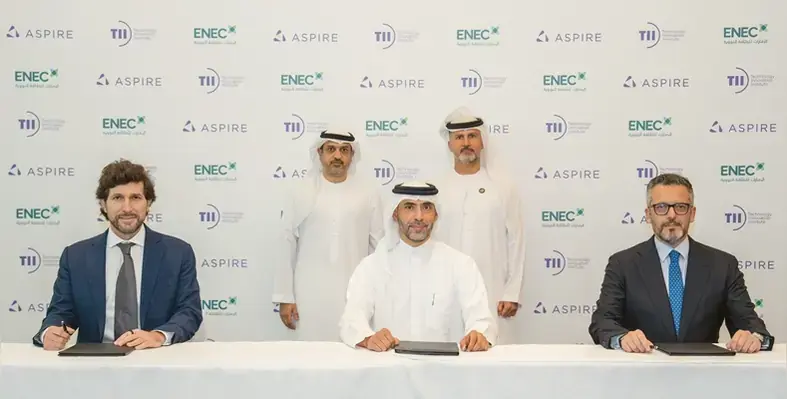
The Emirates Nuclear Energy Company (ENEC), the Technology Innovation Institute (TII), and ASPIRE have launched a new Proof of Concept (PoC) project to develop and validate autonomous aerial patrolling and monitoring capabilities for critical infrastructure
Under the agreement, ENEC, working in partnership with TII and supported by ASPIRE, will develop and test advanced drone and aerial robotics systems for perimeter patrolling in a live operational environment. The project will assess system performance, operational reliability, and readiness for scale-up, while establishing a clear pathway toward future commercial deployment.
By validating these capabilities in an operational setting, the project, which is being conducted within ENEC’s established safety and security frameworks, aims to support ENEC in enhancing security and overall resilience. It also highlights Abu Dhabi’s leadership in applying advanced autonomy and robotics to enhance the security, resilience, and safety of nationally strategic assets.
His Excellency Mohamed Al Hammadi, managing director and group chief executive officer of ENEC, said, “Safeguarding critical infrastructure requires solutions that are not only innovative, but proven, resilient, and aligned with the highest global standards of safety and security. This Proof of Concept enables us to assess how advanced autonomous aerial and robotic systems can enhance situational awareness and support faster, more effective responses in a live operational environment. In collaboration with TII and ASPIRE, we are leveraging cutting-edge technologies to maintain the highest levels of safety and operational excellence.”
“Autonomous aerial systems have reached a level of maturity where they can meaningfully enhance the safety of complex environments,” said Dr. Najwa Aaraj, chief executive officer of TII. “Through this project, we are validating drone-based patrolling technologies under real operational conditions, ensuring they meet the highest standards of robustness, reliability, and security. These insights are essential for scaling such systems across critical infrastructure where performance and trust are paramount.”
Stephane Timpano, chief executive officer of ASPIRE further commented that the POC is not just about testing technology, but also creates a clear bridge from R&D to deployment and commercialisation.
New York City has introduced new construction safety requirements that expand mandatory training to include mental health and wellbeing, highlighting how local regulations can go beyond federal workplace safety standards.
While the US Occupational Safety and Health Act establishes baseline requirements for workplace safety nationwide, employers are required to comply with additional state and municipal rules where they apply. From 1 January 2026, amendments to the New York City Building Code have come into force, adding compulsory training on mental health and wellness, suicide risk and prevention, and alcohol and substance misuse to the city’s Site Safety Training (SST) framework.
Under the New York City Building Code, most workers and supervisors operating on certain construction and demolition sites must hold a valid SST card. The requirement applies specifically to projects that require a Site Safety Plan or the appointment of a Site Safety Professional. To obtain an SST card, individuals must complete a minimum of 40 hours of approved training covering a range of safety-related subjects.
The latest amendment expands those minimum training requirements by formally incorporating mental health education. The change reflects growing recognition of the role mental health plays in construction site safety, particularly in a sector associated with high stress, long working hours and elevated injury and fatality risks.
Alongside broadening training content, the revised rules also introduce greater flexibility around SST card renewals. Previously, expired cards required workers to complete the full training process again. Under the updated framework, SST cards can now be renewed up to one year after expiry, provided that the required SST credits were completed within the 12 months preceding the expiration date and that the renewal application is submitted within the permitted timeframe.
For employers operating in New York City, the changes carry immediate compliance implications. Companies are expected to review existing training programmes and confirm that their approved SST providers offer mental health courses that meet the updated city requirements. Failure to comply could expose employers to enforcement action or civil penalties under the building code.
The amendment also serves as a broader reminder for employers beyond New York City. While federal safety legislation provides a common foundation, state and local authorities retain the power to impose more stringent obligations. Regular reviews of regional regulatory requirements are therefore essential, particularly for organisations operating across multiple jurisdictions.
As mental health becomes an increasingly prominent component of occupational safety strategies, New York City’s approach may influence other cities and states considering similar updates to construction safety regulations.
Understanding when fires occur is as critical as knowing where they happen, with timing data revealing clear patterns linked to daily routines, seasonal behaviour and environmental conditions. New analysis by UK-based passive fire protection specialist System Building Services Limited (SBS Limited) highlights specific hours, months and locations where fire risk is significantly higher.
SBS Limited analysed national Fire and Rescue Service incident data from 2024/2025 across England to identify temporal and seasonal trends. The study examined three key variables: time of day, month of the year and type of location, aggregating incidents and calculating their proportion of total fires to support more targeted fire prevention strategies.
The analysis shows that fire incidents peak during the early evening. The single highest-risk hour is between 19:00 and 20:00, accounting for 8.99% of all incidents, closely followed by 18:00–19:00 at 8.95% and 17:00–18:00 at 8.40%. Combined, the three-hour window between 17:00 and 20:00 represents more than a quarter of all fires recorded nationally.
Fire risk continues to remain elevated until late evening, with the period from 16:00 to 22:00 accounting for the majority of daily incidents. In contrast, early afternoon hours see significantly fewer fires, with incidents between 13:00 and 14:00 accounting for just 4.47% of the total.
“The evening spike in fire incidents aligns closely with when most people return home from work and begin cooking, using heating systems, and engaging in other routine activities,” said Brian Michie, Managing Director at SBS Limited.
“This time period combines multiple risk factors: increased use of cooking equipment, heating appliances being switched on as temperatures drop, and more people present in buildings. Understanding these patterns allows both individuals and organisations to heighten their awareness during peak risk hours.”
Seasonal analysis reveals that August records the highest number of fires of any month, with 16,679 incidents, representing 11.71% of the annual total. Other summer months also feature prominently, with June and July together contributing nearly 20% of incidents. Overall, the three summer months account for more than 31% of all fires recorded during the year.
March ranks as the second-highest month for fire incidents, while November also shows elevated figures, creating secondary peaks during seasonal transitions. Winter months record the lowest incident rates overall, despite increased use of heating systems.
“The summer spike can be attributed to several factors: dry weather conditions increasing outdoor fire risk, more people using barbecues and outdoor cooking equipment, and longer daylight hours meaning more outdoor activity,” Michie explained.
“The March peak likely reflects the transition from winter heating systems, combined with spring weather patterns that can create dry conditions. November's elevated numbers coincide with Bonfire Night and the start of increased heating use as temperatures drop.”
Location data highlights that refuse-related fires dominate national statistics. Fires involving refuse containers, refuse sites and waste storage account for more than 31% of all incidents, significantly exceeding any other single category. Dwellings account for 17.78% of fires, while grassland, woodland and crop fires represent 15.32%.
When combined, outdoor and secondary fires account for nearly 59% of all incidents, compared with just over 18% occurring in residential properties.
“The high incidence of refuse-related fires highlights a significant but often overlooked risk area,” said Michie. “Many of these fires are preventable through proper waste management, secure storage of flammable materials, and regular clearance of combustible waste.”
Summarising the findings, Michie said the data provides clear guidance for targeted prevention efforts.
“These patterns reveal that fire risk follows predictable rhythms tied to how we live and interact with our environment. What this data provides is actionable intelligence for fire prevention, allowing awareness and resources to be focused where they can have the greatest impact.”