Regional Coverage
Regional Coverage
- Details
- Sania Aziz
- Middle East

- Topic: HSE
- Region: Middle East
- Date: 23rd April 2026
- Year: 2026
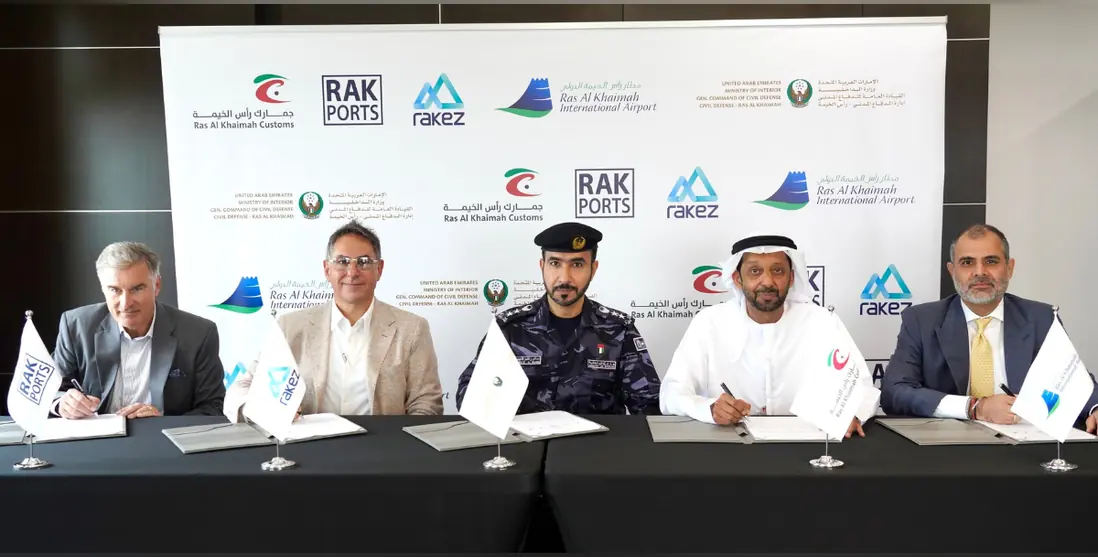
Several key authorities in Ras Al Khaimah have formed a strategic partnership to enhance the emirate’s safety and emergency response framework, aligning with directives from Sheikh Ahmed bin Saud bin Saqr Al Qasimi.
The collaboration brings together the Ras Al Khaimah Civil Defence Department, Ras Al Khaimah Customs, RAKEZ, Ras Al Khaimah Ports and Ras Al Khaimah International Airport. The initiative is aimed at strengthening coordination across critical infrastructure and improving overall operational readiness.
The agreement focuses on enhancing cooperation between entities by aligning procedures, improving risk management practices and ensuring compliance with international safety standards. A key objective is to create a more integrated system capable of responding effectively to a range of emergency scenarios.
Planned measures include the regular review and updating of evacuation and emergency response plans, as well as the organisation of joint drills to test readiness and coordination. The entities will also collaborate on improving protocols for handling hazardous materials, alongside delivering specialised training programmes to build technical expertise.
In addition, the partnership will support the alignment of safety requirements for upcoming infrastructure projects and expansions. This is intended to ensure that risk mitigation and emergency preparedness are embedded from the early planning stages, in line with the emirate’s ongoing development.
Officials noted that the initiative represents a significant step towards strengthening the resilience of Ras Al Khaimah’s operational ecosystem, particularly across its ports and logistics infrastructure. By improving coordination and information sharing, the entities aim to enhance response capabilities under both routine and high-risk conditions.
The collaboration is also expected to support the emirate’s broader economic ambitions by reinforcing its reputation as a safe and efficient destination for trade, investment and industrial activity.
The agreement reflects the implementation of Decree No. 25 of 2025 issued by His Highness Sheikh Saud bin Saqr Al Qasimi, which established the Committee for the Security and Development of Ports. The committee is tasked with strengthening port security, improving coordination between authorities and promoting the exchange of expertise and best practices.
Through this coordinated approach, Ras Al Khaimah is advancing its efforts to build a robust, future-ready safety framework capable of supporting continued growth while safeguarding critical infrastructure and communities.
- Details
- shivani dhruv
- Europe
- Topic: Industrial, HSE
- Region: Europe
- Date: 22nd April 2026
- Year: 2026
Trade unions across Europe are calling for stronger EU legislation to protect workers from extreme heat, warning that rising temperatures linked to climate change are creating growing risks in workplaces across the continent
The appeal comes ahead of International Workers Memorial Day, when the labour movement honours people who have lost their lives at work.
The message will be delivered to representatives of the European Commission during a conference in Brussels organised by the European Trade Union Confederation (ETUC) and the European Trade Union Institute (ETUI). Worker representatives are expected to present evidence supporting the need for binding rules requiring employers to work with unions on practical protections such as drinking water, access to shade and rest breaks during high temperatures.
According to figures cited by the unions, heat-related workplace fatalities in the EU have risen by 42% since 2000, the fastest increase of any world region. The number of people exposed to heatwaves while working has also increased by 60% over the last two decades. Nearly 47% of workers say they have felt too hot at work, while only 15% say action has been taken to protect them.
The unions also note that when temperatures rise above 30°C, the risk of workplace accidents increases by 5% to 7%. When temperatures exceed 38°C, accidents become 10% to 15% more likely.
In 2023, the European Commission issued guidance outlining employers’ responsibilities toward workers exposed to high temperatures. However, trade union research says many employers have shown reluctance to introduce preventive measures or include heat-specific protections in collective bargaining agreements.
The ETUC said this contributed to a number of preventable deaths during the previous summer, including an agricultural worker in Spain who died after harvesting fruit in temperatures above 40°C, two construction workers who collapsed from heat stroke, and a 50-year-old employee in France whose body temperature rose to 42.9°C while working in a distribution centre.
As a result, the ETUC is urging the EU to include legislation on maximum working temperatures in the forthcoming Quality Jobs Act.
Esther Lynch, General Secretary of the ETUC, said, "Deaths from heat at work are not accidents - they are predictable and preventable, yet too many employers are still failing to take the risk seriously. For many years now, our affiliates have been reporting tragic cases of workers dying as a result of exposure to extreme heat. These deaths are occurring across a wide range of sectors, including street cleaning, forestry, agriculture, construction, and even in indoor environments such as industry. Their loss underlines the urgent need to act."
“While the European Commission has taken steps in recent years, including issuing guidance, the reality on the ground is clear: guidance alone is not enough. As our members systematically report us, every summer, workers continue to fall ill, suffer accidents, and in the worst cases, lose their lives. This situation calls for urgent legislative action.”
Giulio Romani, ETUC Confederal Secretary, added, "Occupational heat is no longer an emerging issue - it is already a daily reality for millions of workers across Europe. As we have heard, this is not only about discomfort; it is about health, safety, and, increasingly, loss of life. There is, importantly, a window of opportunity. The ongoing work on the Quality Jobs Act provides a political space to integrate stronger protections for workers facing extreme weather conditions. This could be a key avenue to ensure that climate resilience becomes an integral part of quality employment in Europe."
- Details
- Sania Aziz
- North America
- Topic: Technology
- Region: North America
- Date: 22nd April 2026
- Year: 2026
The global industrial safety products market is undergoing a fundamental shift as industries move beyond basic compliance towards more intelligent, preventative safety strategies.
Driven by advances in digital technologies and stricter regulatory frameworks, the sector is evolving into a critical enabler of operational performance.
Valued at US$17.67bn in 2026, the market is projected to reach US$34.96bn by 2036, expanding at a compound annual growth rate of 7.1%. This growth reflects increasing demand for solutions that not only protect workers but also actively reduce the likelihood of incidents.
At the centre of this transformation is the adoption of connected personal protective equipment (PPE), real-time compliance monitoring and ergonomically designed safety systems. These technologies are enabling organisations to shift from reactive safety models to predictive approaches, where risks can be identified and mitigated before they escalate.
One of the strongest trends shaping the market is the integration of ergonomic design with digital compliance tools. Equipment embedded with sensors or RFID capabilities allows supervisors to monitor usage and adherence to safety protocols in real time. This combination of comfort and accountability is proving essential in improving worker adoption, particularly in high-risk industries where non-compliance remains a persistent challenge.
In parallel, the rise of Industrial Internet of Things (IIoT) technologies is redefining hazard detection. Modern safety systems now incorporate interconnected sensors capable of tracking environmental and operational risks such as gas leaks, heat exposure and proximity to machinery. These systems can trigger automated responses when thresholds are exceeded, enhancing safety outcomes across sectors including oil and gas, mining and heavy manufacturing.
Sustainability is also emerging as a key consideration. As environmental, social and governance (ESG) requirements become more stringent, manufacturers are increasingly turning to recyclable materials and bio-based alternatives for safety equipment. This shift is particularly relevant for high-volume items such as gloves and high-visibility clothing, where reducing environmental impact without compromising durability is a growing priority.
Regionally, the United States continues to play a leading role, supported by strong regulatory enforcement and rapid uptake of digital safety technologies. However, the fastest growth is expected in emerging industrial markets. India is forecast to record the highest expansion rate through 2036, driven by large-scale infrastructure and manufacturing development, while China is also advancing steadily as it transitions towards more technologically sophisticated production environments. Germany remains a hub for innovation, particularly in precision-engineered machine safety and specialised protective solutions.
As the industry evolves, safety products are increasingly viewed not as a compliance cost but as a strategic investment. The convergence of PPE, detection systems and software platforms into integrated safety ecosystems is enabling organisations to enhance efficiency while safeguarding their workforce.
With continued innovation in connected technologies and advanced materials, the industrial safety market is set to play a central role in shaping the future of safe, resilient and high-performing industrial operations.

- Details
- Louise Waters
- Middle East
- Topic: HSE
- Region: Middle East
- Date: 20th April 2026
- Year: 2026
IntrospeXion, a specialist consultancy firm providing mental health and wellbeing support to offshore and energy workforces, is expanding into the Middle East
The company, led by experienced psychologists and mental health practitioners, will now deliver its behavioural risk and wellbeing consultancy services to clients in the Middle East following the award of new contracts.
Working with regional-specific supply chain and service companies, IntrospeXion will provide a range of support, including on-site mental health hubs and drop-in clinics, audits and assessments, and leadership coaching to top-level energy executives. IntrospeXion will also help new clientele working in complex and demanding environments, such as offshore, to ensure they have direct access to mental health support.
The expansion into the Middle East represents IntrospeXion’s continued growth since first entering the market, demonstrating how companies are increasingly looking to prioritise the wellbeing of their employees to bolster resilience, support teams, and embed psychologically safe practices within safety cultures.
Shabnum Hanif, IntrospeXion’s founder and managing director, commented, “In the energy and offshore industry, HSE and employee wellbeing isn’t limited to the physical risks that they encounter on-site; it's about a holistic approach that encompasses mental health and welfare. When we take care of every risk our people face, we are placing the industry in the best position to push forward. While visiting contacts in the Middle East, it was evident that there was a clear recognition that caring for and investing in people is an integral part of business growth, but that there aren’t always accessible or manageable resources to utilise.
“By moving into the Middle East market, we can provide that resource. Tackling offshore operations and internal mental health policies and frameworks, we are determined to keep demonstrating that wellbeing is not a “nice to have” but rather that it should be ingrained within the operational infrastructure. We are confident that we can help make a difference in the region.”
- Details
- shivani dhruv
- Middle East
- Topic: Industrial
- Region: Middle East
- Date: 17th April 2026
- Year: 2026
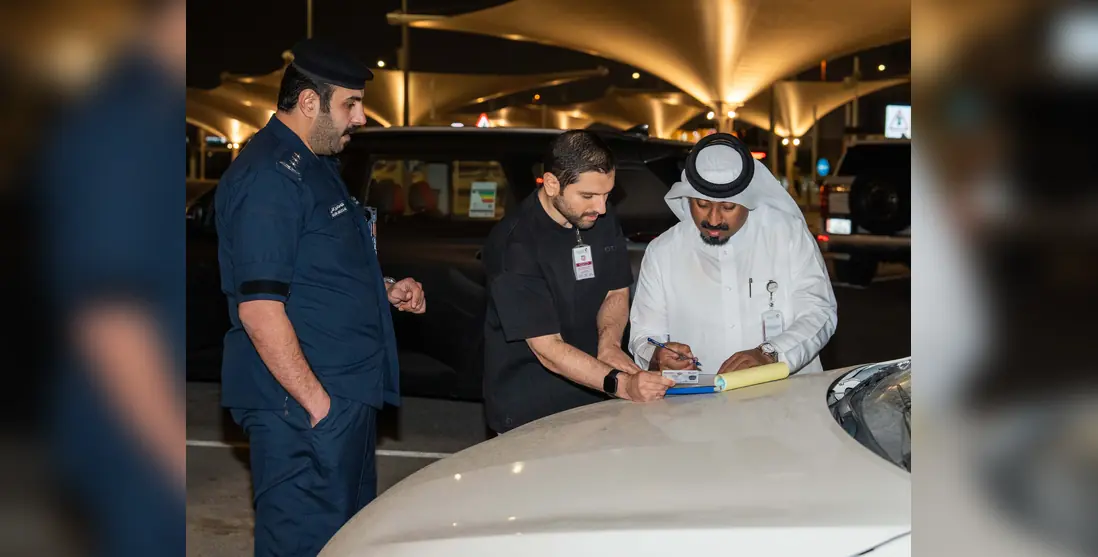
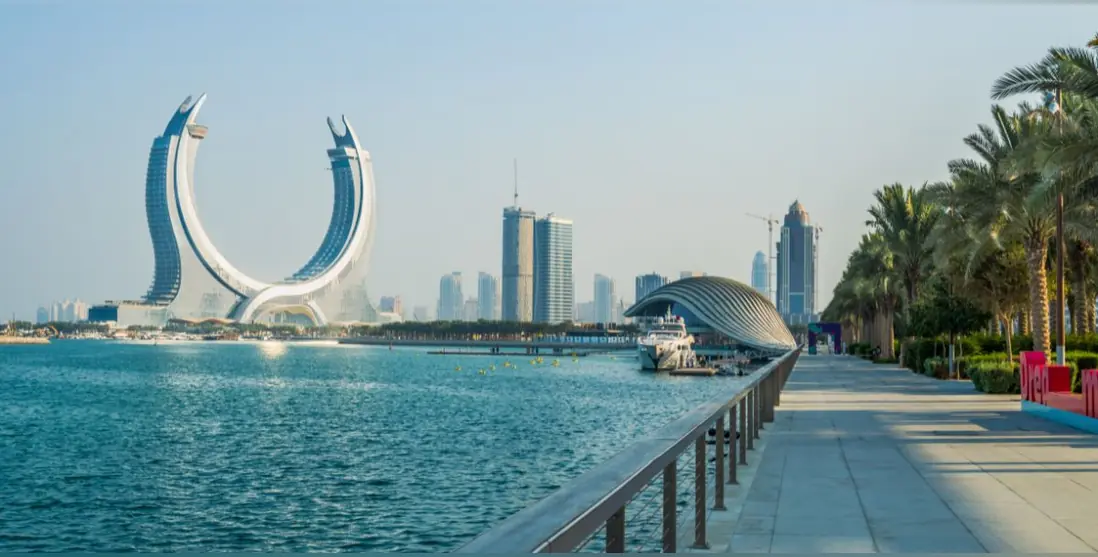
The Ministry of Transport, in coordination with relevant departments of the Ministry of Interior (MOI), has concluded its campaign activities planned for the first quarter of 2026 targeting limousine companies and passenger transport service providers operating through electronic applications.
The campaigns led to the detection of 32 violations of Law No. 8 of 2019 regulating road transport, along with its Implementing Regulations issued under Minister of Transport Decision No. 13 of 2024.
According to the Ministry, the campaigns were carried out across all regions of Qatar, with a particular focus on business districts, service areas, and other high-activity zones. This reflects an expanded enforcement approach aimed at strengthening compliance in densely populated and commercially significant areas.
The Ministry of Transport reaffirmed that it continues its regulatory and enforcement efforts against non-compliant companies. It also urged all operators to comply with applicable laws and obtain the necessary licences before providing services, in order to avoid legal accountability.
It further stressed its commitment to ensuring that passenger transport companies adhere to regulations, meet safety requirements, and deliver high-quality services across the sector.
- Details
- shivani dhruv
- Middle East
- Topic: HSE
- Region: Middle East
- Date: 15th April 2026
- Year: 2026
Minister of Environment and Climate Change HE Dr Abdullah bin Abdulaziz bin Turki Al Subaie has confirmed that Qatar’s environmental conditions remain stable and safe, supported by a comprehensive, technology-driven monitoring framework operating across the country.
Speaking to Qatar TV on Wednesday, the minister said the Ministry of Environment and Climate Change runs an integrated environmental monitoring system that continuously tracks air quality, water conditions, and radiation levels. This system provides authorities with accurate, real-time data to enable swift and informed decision-making.
He noted that Qatar has deployed 48 air quality monitoring stations nationwide, along with monitoring points across territorial waters, creating a robust nationwide network. These systems are further supported by a dedicated radiation monitoring programme that tracks levels across both land and sea, with data shared regionally with GCC countries and internationally with the International Atomic Energy Agency.
Addressing emergency preparedness, Dr Al Subaie explained that specialized simulation models are activated immediately in the event of any radiological incident. These models analyse key data inputs to forecast radiation levels over a 48-hour period, helping guide preventive measures and response strategies. He further emphasised ongoing efforts to enhance monitoring capabilities through the expansion of networks and the adoption of advanced technologies, alongside strengthening national expertise in radiation-related fields.
Reassuring the public, Dr Al Subaie stressed that there are currently no indicators of environmental concern. He underlined that the country maintains a high level of readiness to respond to any environmental emergency, ensuring the continued safety of citizens and residents.
- Details
- Sania Aziz
- Middle East
- Date: 14th April 2026
- Year: 2026
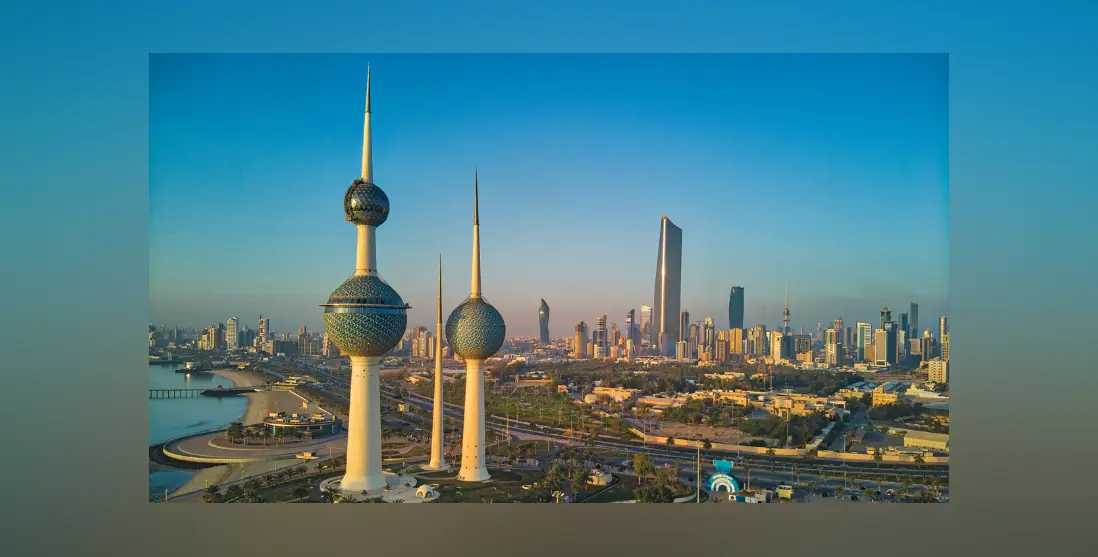
The Kuwait Municipality has stepped up its regulatory efforts in recent weeks through multiple field inspection campaigns across various governorates.
These operations focus on ensuring adherence to building regulations, urban planning standards, and public health requirements in both residential and commercial areas.
In one recent drive in the Capital Governorate, inspectors recorded 78 violations related to cleanliness, street obstructions, and itinerant vendors.
They also issued 971 warnings, undertakings, and notices to promote immediate compliance without further penalties in many cases.
The campaign targeted commercial establishments to maintain hygiene and licensing standards.
Another operation in Farwaniya Governorate resulted in 12 building code citations.
Violations included encroachments on state property and unauthorised internal divisions in shops.
Supervisory teams conducted intensive tours of construction sites to address safety risks and protect public land.
In Bnaid Al-Qar, the municipality issued three violations and 14 warnings during checks on commercial housing projects.
The focus was on compliance with construction rules and preventing misuse of designated spaces.
These actions form part of broader efforts to uphold urban planning across residential zones.
Officials have also targeted illegal structures, such as encroachments on public pathways and unauthorised livestock enclosures in certain areas.
Earlier initiatives involved removing camps near sensitive zones and addressing unlicensed modifications that could compromise safety or infrastructure.
The municipality emphasised that these crackdowns are ongoing and aim to enforce building bylaws uniformly in private, commercial, industrial, and investment properties.
Coordination with other authorities ensures systematic coverage of all six governorates.
Residents and business owners are urged to review their properties for conformity to avoid fines or remedial orders.
Such enforcement helps preserve public spaces, enhance safety, and support orderly development in Kuwait.
Campaigns are expected to continue with regular field visits by engineering and inspection teams.
- Details
- Louise Waters
- Middle East
- Topic: HSE
- Region: Middle East
- Date: 9 April 2026
- Year: 2026
The General Command of the Bahrain Defence Force has reiterated its instructions to all members of the public to exercise the utmost caution for their personal safety, in the context of Iran’s attacks on its critical infrastructure
Citizens and residents are advised to keep clear of affected areas and any suspicious objects; refrain from filming or photographing military operations or debris sites; avoid spreading unverified information; and consult only official and government media channels for updates, alerts, and advice.
The General Command says that the BDF's air defence systems have intercepted and destroyed 194 ballistic missiles and 515 drones targeting the Kingdom’s facilities since the onset of hostilities.
Two people sustained light injuries following an Iranian drone attack in Bahrain on 8 April, the interior ministry said, hours after the US-Iran ceasefire took effect.
“Two citizens sustained minor injuries and a number of houses were damaged in the Sitra area as a result of shrapnel falling from the interception of an Iranian drone,” the Bahrain Ministry of Interior said in a statement.
Bahrain’s critical infrastructure has been significantly impacted by drone attacks. These incidents have tested safety protocols, business continuity and emergency response plans, and it is testimony to the strength of these, and the top priority accorded to the safety of employees, that minimal casualties have been reported and operating companies have demonstrated resilience.
Bapco Energies confirmed that a tank fire broke out earlier on 6 April at one of its storage facilities, following an Iranian drone attack. In a statement it said the fire was fully extinguished and that damage is being assessed. No injuries were reported.
Bapco Energies had on 9 March declared Force Majeure on its Group operations as a result of the on-going regional conflict and an attack on its refinery complex. The company stressed that all local market needs are fully secured according to the proactive plans in place, ensuring the continuity of supplies and meeting local demand without impact.
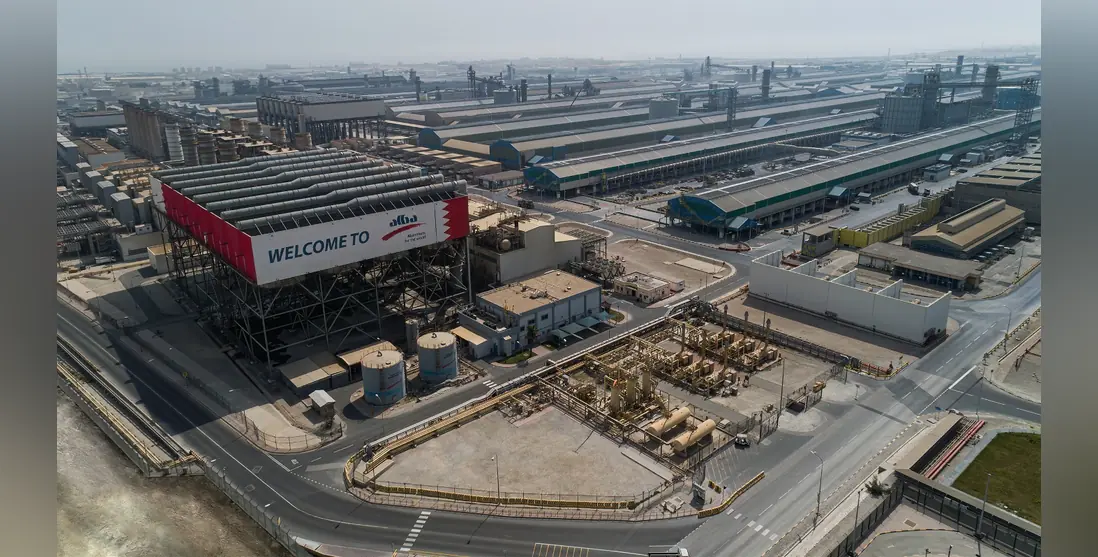
While Aluminium Bahrain (Alba) confirmed that its operations were affected by an Iranian attack on 28 March, with two employees suffering minor injuries.
In a statement, the company said it is currently evaluating the extent of damage to its facilities while implementing precautionary measures to ensure the continued safety of personnel and infrastructure. Emergency protocols were activated in line with established operational and safety procedures, and the company said it is taking all necessary steps to protect employees and stabilise operations.
Alba earlier declared force majeure on metal deliveries due to severe shipping disruptions in the Strait of Hormuz and carried out a controlled and safety shutdown of part of its operations as “an operational measure to preserve business continuity amid ongoing supply and transit disruptions affecting the Strait of Hormuz.”
The safety of Alba’s employees and contractors’ personnel, the protection of its assets, and the reliability of supply to customers remain Alba’s highest priorities, the company said.
- Details
- Sania Aziz
- Middle East
- Year: 2026
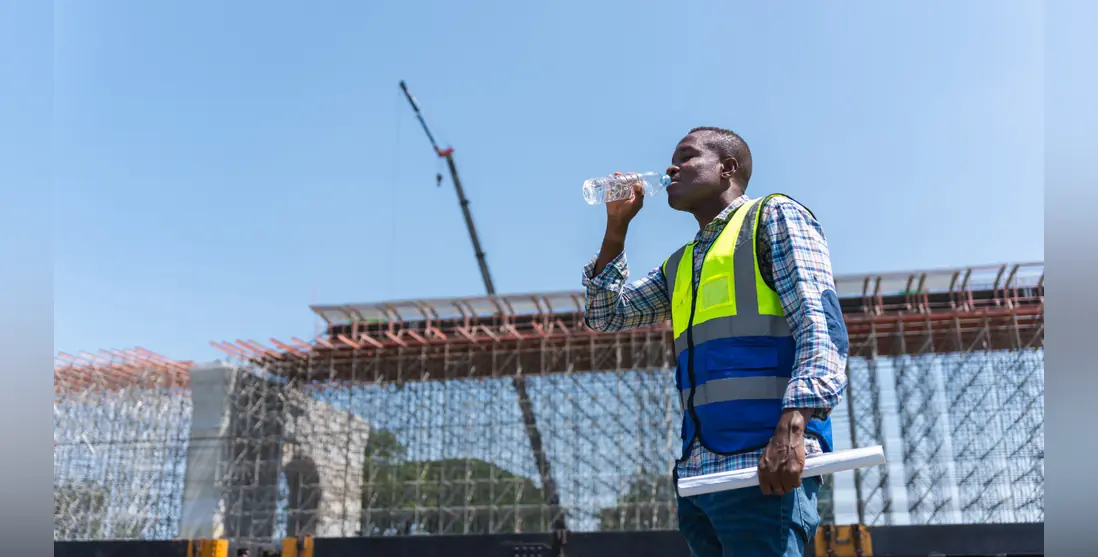
Bahrain has approved its 2026 midday outdoor work ban, reinforcing measures to protect workers from extreme summer temperatures and direct sun exposure.
The regulation, now formalised through the Official Gazette, will be implemented from 15 June to 31 August. During this period, outdoor work will be prohibited between 12pm and 4pm, targeting the hours of highest heat intensity.
The directive applies across all sectors involving open-air labour, including construction and other physically demanding roles. Authorities aim to reduce the risk of heat stress, dehydration and related occupational hazards that can arise during peak summer conditions.
Officials highlighted the strong compliance achieved in previous years as a sign of growing awareness among employers. In 2025, adherence to the regulation reached 99.96%, supported by regular inspections and enforcement measures designed to safeguard worker wellbeing.
Monitoring efforts are expected to continue throughout the enforcement period, with authorities conducting site visits to ensure companies follow the rules. The initiative forms part of broader occupational health and safety strategies across the Gulf, where high temperatures present seasonal risks to outdoor workers.
Employers found in breach of the ban may face financial penalties or temporary suspension of operations, underlining the government’s strict stance on worker protection.
The policy reflects Bahrain’s ongoing commitment to improving labour conditions, particularly in sectors exposed to environmental risks, and reinforces the importance of preventative measures in maintaining safe working environments during the summer months.
- Details
- Sania Aziz
- Middle East
- Date: 8th April 2026
- Year: 2026
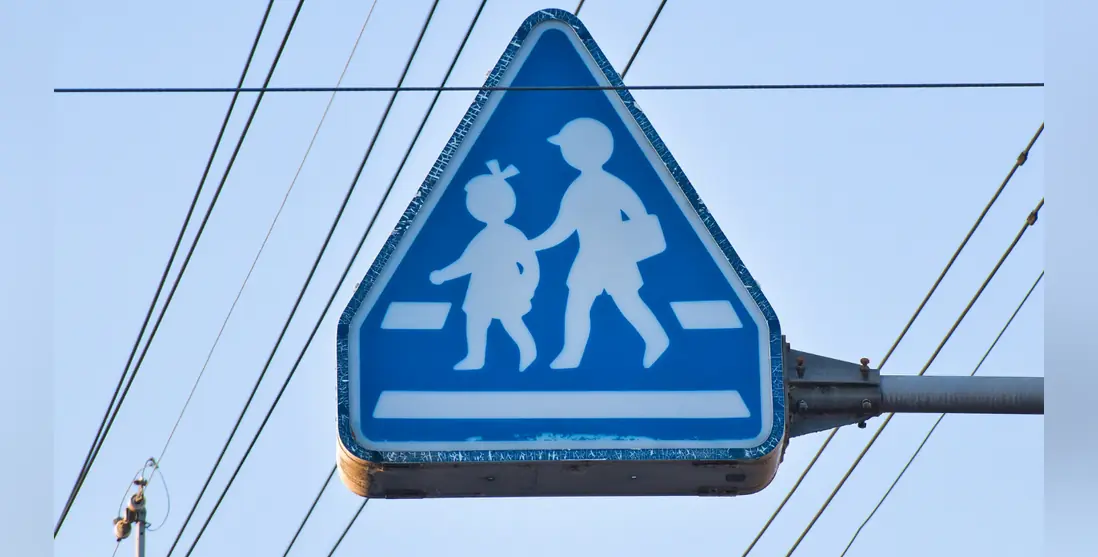
The General Directorate of Civil Defense has delivered a series of emergency safety workshops aimed at strengthening preparedness across educational institutions in Qatar.
Held over four days at the Officers Club, the sessions brought together nearly 1,200 participants, including school leaders, deputy heads and safety personnel from both public and private institutions. The initiative forms part of broader efforts to enhance emergency readiness within the education sector.
The programme focused on equipping attendees with practical knowledge on managing crisis situations, with particular emphasis on evacuation procedures and precautionary measures during emergencies or unusual events. Officials highlighted the importance of having clear, standardised guidance that can be applied consistently across schools.
A key objective of the workshops was to align response protocols when alerts are issued through the National Alert System. Participants were guided on how to coordinate evacuation and shelter procedures effectively, ensuring the protection of students as well as teaching and administrative staff.
In addition, the sessions addressed varying alert levels and the appropriate actions required at each stage. Safety officers were briefed on their roles in implementing response plans, managing communication and maintaining order during emergency scenarios.
The Directorate noted that such training programmes play a critical role in reinforcing a culture of safety within schools, while ensuring that staff are prepared to respond swiftly and efficiently to potential risks.
By standardising procedures and strengthening awareness, the initiative aims to improve overall resilience within Qatar’s education system and safeguard school communities in the event of emergencies.
- Details
- madhurima sengupta
- Middle East
- Topic: HSE
- Region: Middle East
- Date: 6th April 2026
- Year: 2026
The recently concluded International Occupational Health Summit (IOHS) held at the Oman Convention and Exhibition Centre celebrated Oman's progress in facilitating occupational health on local, regional, and global scales, matching world-class standards across industries.
Organised by the Ministry of Energy and Minerals and Oman Energy Association (OPAL), the show was inaugurated by Mahad bin Said Baowain, Oman’s Minister of Labour. Themed 'Towards a Sustainable Health Excellence at the Workplace'," Abdulrahman al Yahyaei, CEO of Oman Energy Association (OPAL), who was the chairman of the summit, spoke on the significance of embracing a workplace that puts equal importance on productivity, sustainability and health orientation.
He also acknowledged the support received from international bodies such as the World Health Organisation (WHO) and the International Labour Organisation (ILO).
With more than 100 experts from 20 countries joining the summit to advance discussions and workshops matters of occupational health, industrial hygiene, mental health, and non-communicable diseases, Al Yahyaei said that putting in place the right laws and regulations to build industry standards are importat in establishing occupational health.
While delivering the keynote address, Saeed al Lamki, Under-Secretary for Health Affairs at the Ministry of Health, noted that occupational health and its impact on the well-being of the Omani workforce is bigger than just a medical concern, set to drive the country's economic and social advancement at large. Establishing the urgency of the matter, he accounted that occupational injuries and diseases globally make up for more than 4% of the Gross Domestic Product (GDP) annually. According to him, focusing on maintaining present well-being and working towards a sustainable future is the need of the hour to secure the huge workforce of the country.
Oman has already put in place the necessary organisations and policies for the seamless integration of occupational health into the global health and development agenda. The Ministry of Health has implemented a comprehensive strategy that aligns occupational health initiatives with their Sustainable Development Goals (SDG) objectives.
Technology, for example, has been inbuilt into an ongoing service system, ensuring event-based surveillance for threats to public health. In the patient safety front, a comprehensive system combines healthcare worker safety into quality improvement projects.
Al Lamki revealed plans to extend occupational health services to all the governorates of Oman by 2024.
- Details
- Sania Aziz
- Middle East
- Date: 6th April 2026
- Year: 2026
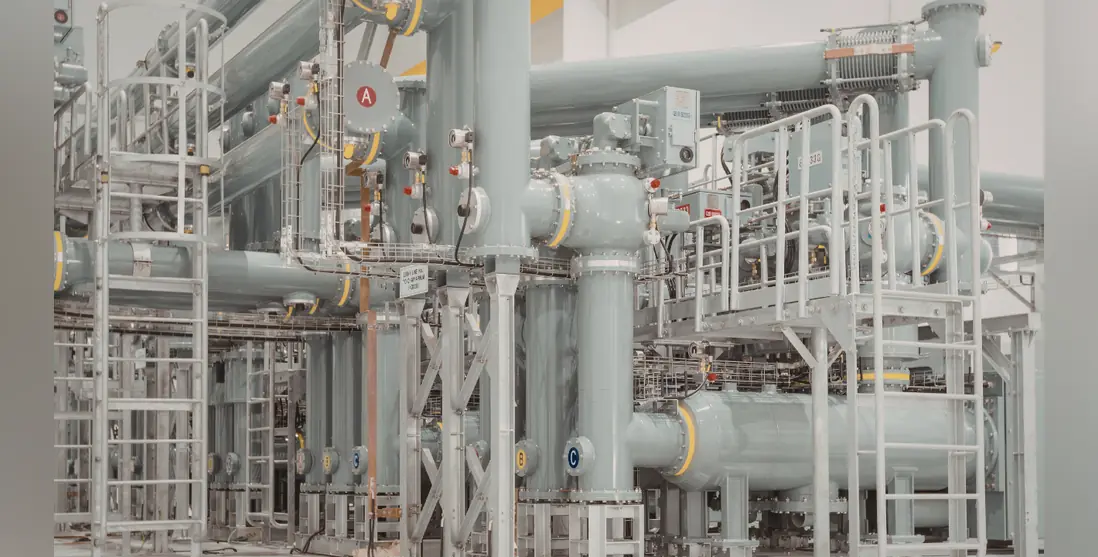
Sharakat has reported a major occupational safety milestone at the Juranah Strategic Water Storage Project, with the site achieving 4.9 million safe working hours without a Lost Time Injury (LTI).
The achievement underscores the project’s strong emphasis on health and safety management, particularly during complex construction phases involving large-scale infrastructure and high-risk activities.
Located in the Makkah Region, the project has prioritised rigorous safety protocols, workforce training and continuous monitoring to maintain a zero-LTI record.
Sharakat highlighted that the milestone reflects a consistent commitment to embedding best-in-class occupational health and safety practices across all stages of development.
From site induction procedures to real-time hazard identification and mitigation, the project has adopted a proactive approach aimed at preventing incidents before they occur.
The Juranah Independent Strategic Water Reservoir (ISWR) scheme is being delivered under a build-own-operate-transfer model by a consortium comprising Vision International Investment Company, Abu Dhabi National Energy Company and Gulf Investment Corporation.
Alongside construction of the reservoir, the scope includes associated infrastructure designed to support long-term water security in the region.
Speaking following a site visit, CEO Engineer Khaled Alqureshi noted that maintaining a safe working environment remains central to the project’s delivery strategy.
He emphasised that robust safety frameworks, combined with strong collaboration between contractors and stakeholders, have played a key role in achieving the milestone.
Beyond safety performance, the project represents a significant investment in the Kingdom’s water infrastructure, valued at approximately AED1.5bn (US$400mn).
Once completed, it will provide a strategic storage capacity of 2 million cu m, alongside an operational tank capacity of 500,000 cu m, strengthening potable water supply resilience in the Makkah region.
Importantly, Sharakat stressed that sustaining high safety standards will remain a priority as construction progresses towards completion.
With works advancing steadily, the project is scheduled to enter commercial operation in the second quarter of 2027, after which it will be operated for 30 years before being transferred to the Saudi Water Partnership Company.
The milestone positions the Jaarana project as a benchmark for integrating occupational safety excellence into large-scale infrastructure development across Saudi Arabia.