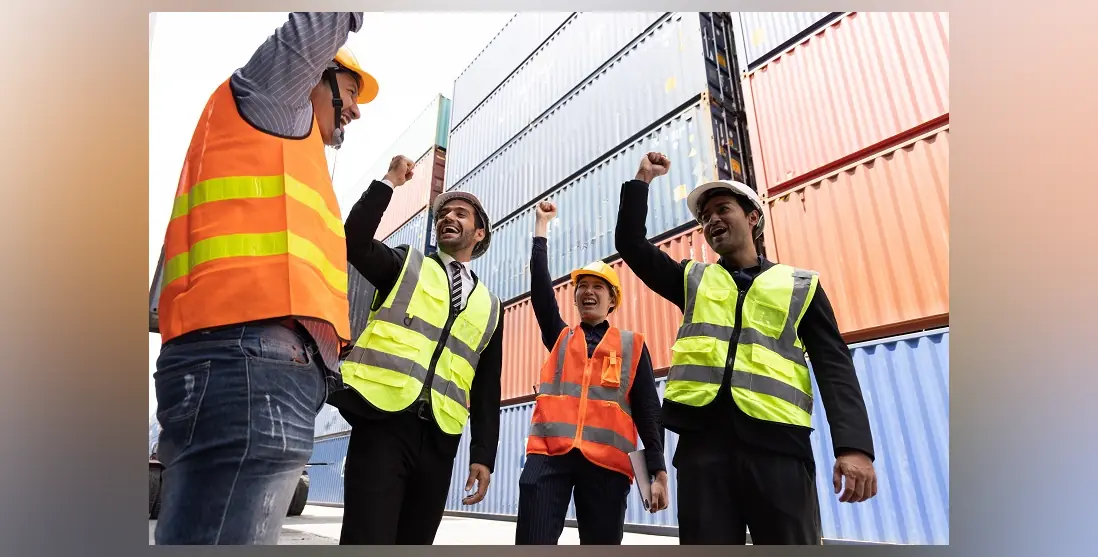
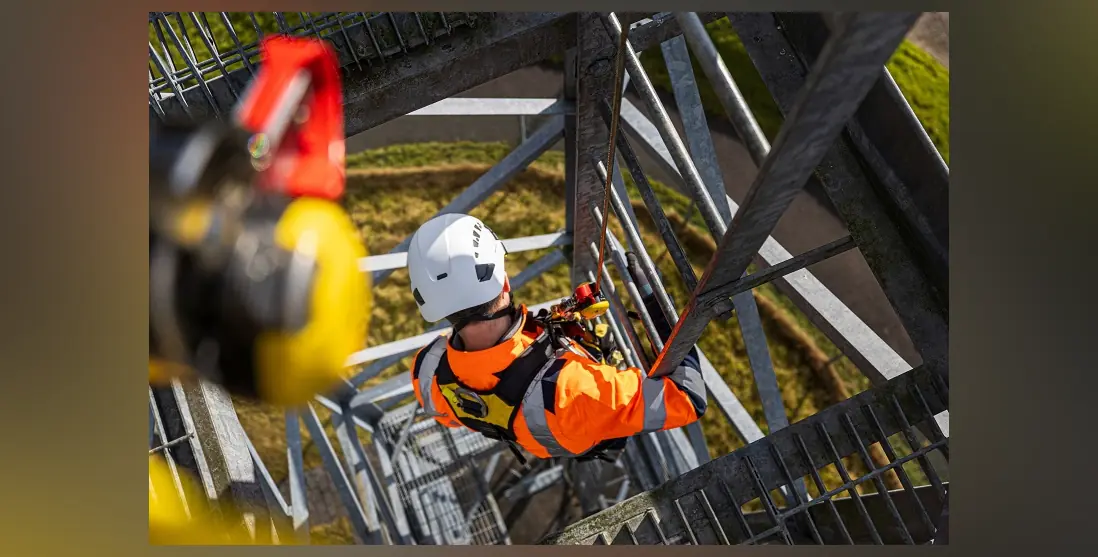
Following open calls from the International Safety Equipment Association (ISEA) for public review on safety apparel, there has been a shift from basic vests to fluorescent, reflective safety vests
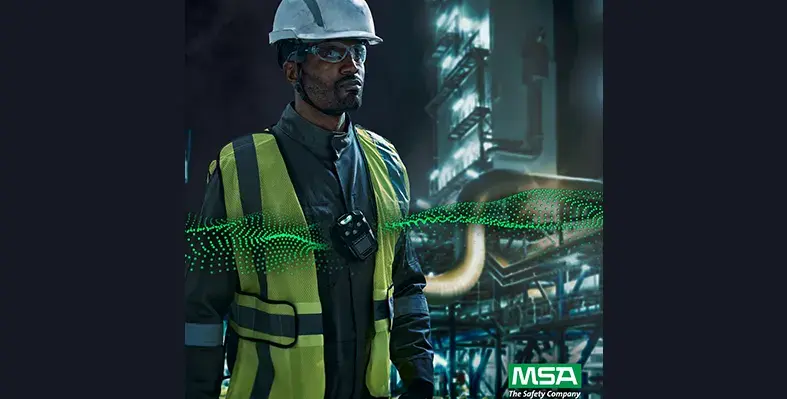
These high-visibility shirts, jackets, sweatshirts, rainwear, pants and similar garments are advanced enough to withstand diverse job situations and environment. Manufacturers are leveraging technologies to address heat stress, PPE fit and multiple hazards as innovations keep hitting the industry every other day.
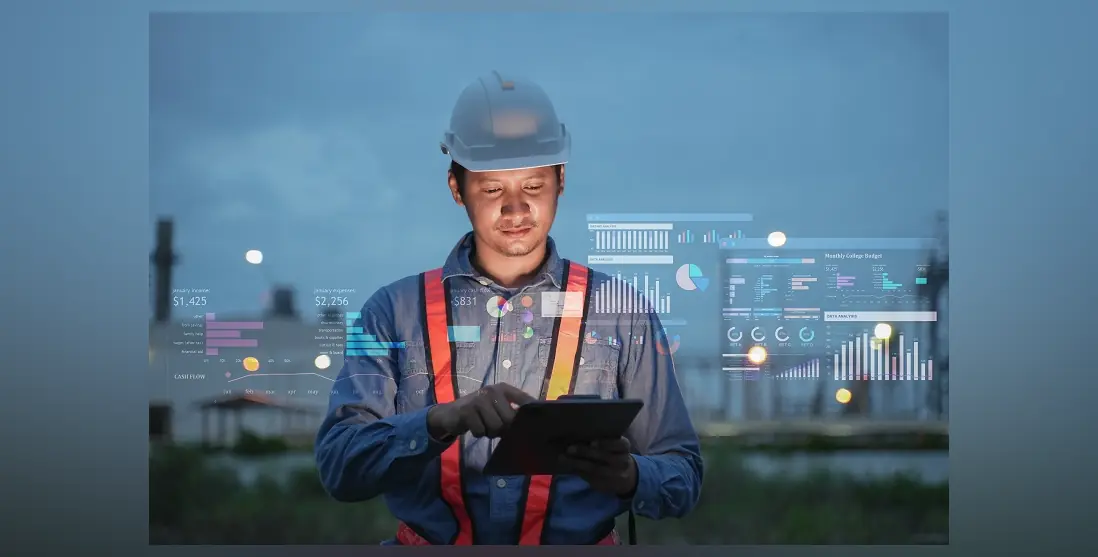
The latest revisions under ANSI/ISEA 107-2020 comprises updated testing protocols, new sizing requirements while particularly focussing on improvement of nighttime visibility. While visibility is a factor to be considered, it cannot come at the cost of heat dissipation impairment. A heat monitoring device such as wet bulb globe temperature, or WBGT to assess heat exposure can rightly address this issue. A worker can determine the clothing based on an effective WBGT score. Thus an ideal PPE should take into account both heat stress and visibility factors.
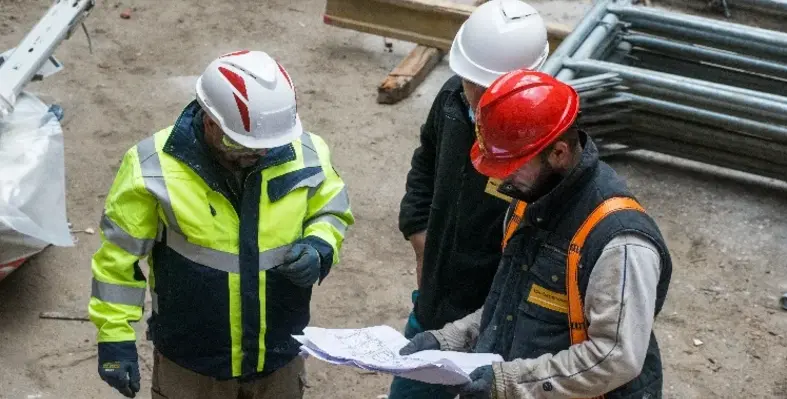
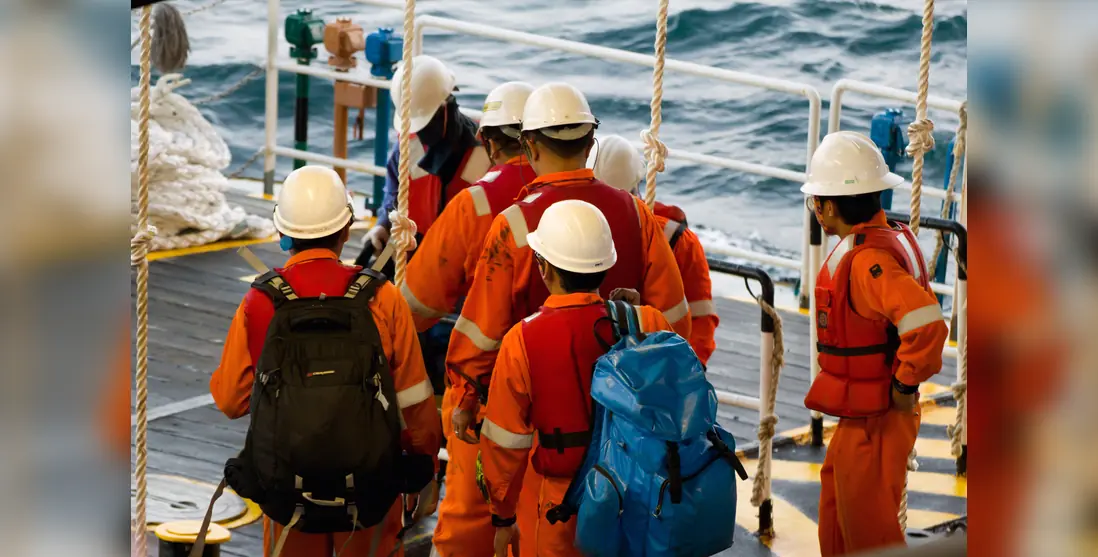
The conventional mesh vest has now expanded to suit work-specific visibility situations. Based on ANSI/ISEA 107-20 accreditations, there are three performance classes covering major apparels and Class E bottoms that primarily consider worker hazards and tasks, background complexity, and vehicular traffic and speed. The standard also establishes garment Types based on expected use settings.
Garment selection should depend on the particulars of the hazards a worker is exposed to. That determines the extent of visibility required while also keeping in mind the heat.