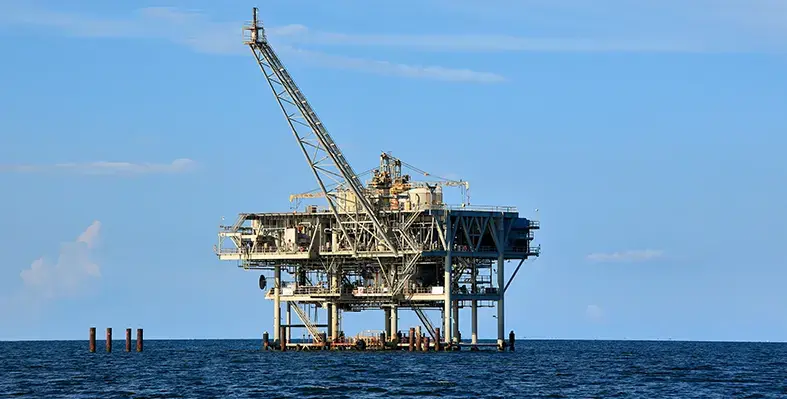
As a floating production storage and offloading (FPSO) vessel has to operate in remote, high-risk marine environments, an integrated control and safety system is what keeps its up and running
Production maintenance and marine ecosystem restoration aside, the safety system is integral to ensure crew and assets protection as well.
Generating safety architecture
Equinor’s Wisting oilfield in the Barents Sea moves on track as Kongsberg Maritime's services have been secured for the supply of safety and automation system for the FPSO supporting the development.
The safety and automation system scope will include front-end engineering and design (FEED) services during the projects initial phase. For seamless project delivery, Kongsberg will be working alongside Equinor and other contractors to develop customised solutions.
The safety and automation system during the FEED stage will provide a technical foundation for the FPSO, generating cost baseline and risk profile as well. It will thus set up a digital architecture for the FPSO, eliminiating the need for costly re-engineering.
The system also helps safety engineers to evaluate necessary safety loops during workshops on hazard and operability or layer of protection analysis that are usually conducted during the FEED stage. It will thus generate an all-encompassing safety architecture in line with international standards before moving on to the engineering stage.
Ensuring operational resilience
The contract secures scope for the potential execution phase as well, when Kongsberg will be providing technology, services and solutions, including process control, safety systems, digital infrastructure and cybersecurity.
The Wisting platform that lies 300 km north of northern Norway will receive holistic support, covering the FPSO’s integrity, performance and operational resilience of throughout its lifecycle. Its active life is projected to last nearly three decades.