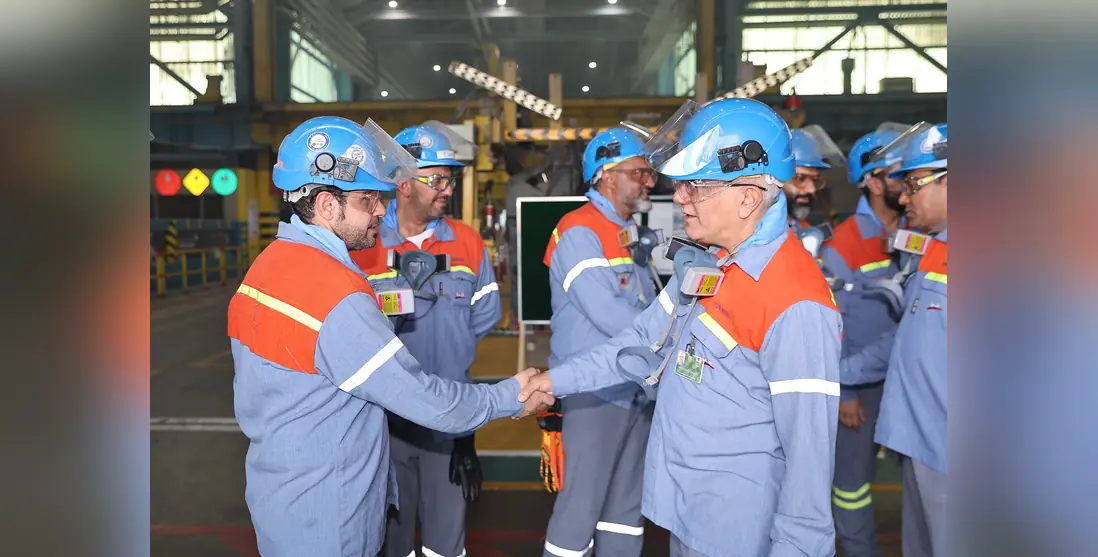
Aluminium Bahrain B.S.C. (Alba) has successfully completed its 10th consecutive summer without a single heat-related injury or illness, a significant achievement given Bahrain’s demanding summer working conditions
It also demonstrates Alba’s ability to translate its “Safety First, Safety Always” principle into sustained operational performance, supported by workforce ownership, visible leadership and increasingly data-driven prevention, according to the company.
Throughout the summer season, Alba implemented a wide range of initiatives under its annual Summer Preparation Plan and Summer Safety and Health Campaign. Workers were provided with practical guidance on heat stress prevention and safe work practices, supported by ongoing leadership engagement, enhanced supervision, and continuous monitoring using advanced testing systems capable of providing real-time hydration readings within seconds, enabling earlier intervention and supporting a shift from reactive safety management towards real-time, risk-based prevention.
One of Alba’s flagship annual safety initiatives, the Summer Safety & Health Campaign highlights the importance of continuous awareness, personal accountability and proactive risk management in industrial workplaces. The Campaign also plays a vital role in promoting safe behaviours, reducing heat-related incidents and fostering a culture where safety is embraced as a shared responsibility and an enduring daily practice.
Alba's chief executive officer Ali Al Baqali said, “Reaching our 10th consecutive summer free of heat-related injuries and illnesses is an achievement that belongs to every Alba employee and contractor. That sense of personal responsibility and care for one another is the culture we want to strengthen as we move forward with our 2026 objectives. I am proud of our people for sustaining this standard for a decade, particularly through another summer.”
The dangers of heat stress
Heat stress is an invisible and silent killer that can quickly cause illness, heatstroke or even death. The ILO estimates that excessive heat contributes to 22.87 million occupational injuries annually, resulting in 18,970 deaths. In the Gulf, where temperatures can rise above 50% in the summer months, heat stress is a particular risk, particularly for migrant workers, who make up a large proportion of the construction workers.
All the GCC countries have implemented a midday work ban, prohibiting outdoor activities during the peak heat of summer days. Noncompliance can lead to penalties ranging from fines to shutting down the violating businesses.
In Bahrain the ban is implemented from 15 June to 31 August. During this period, outdoor work is prohibited between 12pm and 4pm, The directive applies across all sectors involving open-air labour, including construction and other physically demanding roles. Authorities aim to reduce the risk of heat stress, dehydration and related occupational hazards that can arise during peak summer conditions.
In 2025, adherence to the regulation reached 99.96%, reflecting growing awareness among employers. The authorities carry out regular inspections and enforcement measures to ensure companies follow the rules and safeguard worker wellbeing. Employers breaching the ban may face financial penalties or temporary suspension of operations, underlining the government’s commitment to worker protection.
The policy reflects Bahrain’s ongoing commitment to improving labour conditions, particularly in sectors exposed to environmental risks, and reinforces the importance of preventative measures in maintaining safe working environments during the summer months.