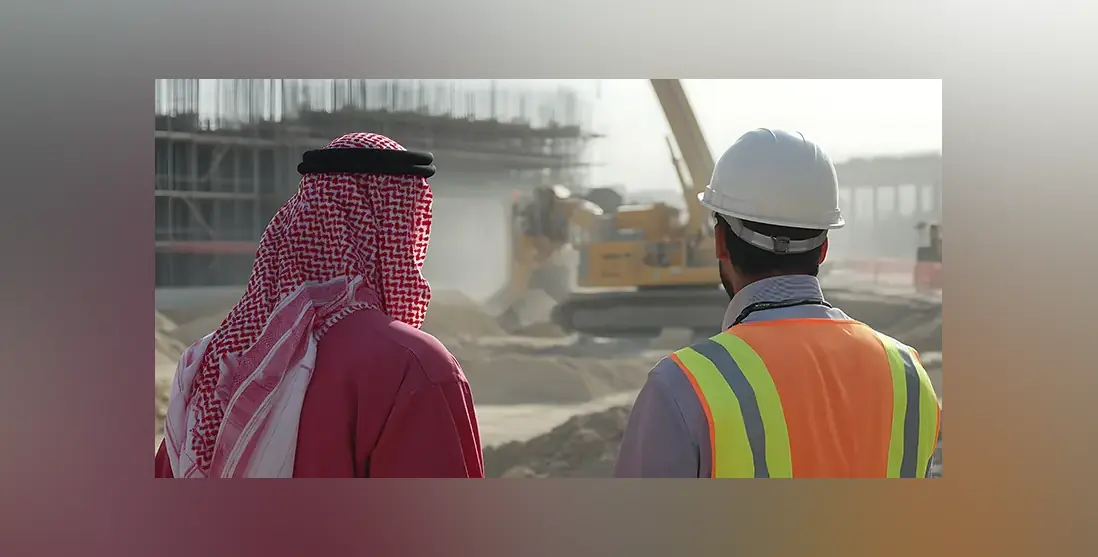
Saudi Arabia’s mega-projects present an unprecedented HSE challenge: delivering projects at an unprecedented scale and pace while maintaining consistent standards across complex, multinational workforces and supply chains
Meeting expectations of stakeholders while maintaining safe standards of operation and prioritising worker welfare on fast-moving and demanding projects can be a challenge. Dealing with variations in safety culture and behaviour as well as disparities in levels of competence of multicultural workforces, along with potential communications difficulties arising from language barriers, is an issue throughout the Gulf but is exacerbated in the case of some of these megaprojects which have seen large influxes of migrant workers. Managing and monitoring workers over large and sometimes remote areas and protecting large sites is another issue. Localisation requirements and quotas mean that training to bridge knowledge gaps of local contractors and suppliers and bring them up to international standards is required.
Training for diverse workforces
It is reported that migrant workers are 66% more likely to make mistakes due to misunderstanding instructions and four times more likely to suffer from fatal accidents. Making training programmes and technical safety content more accessible, engaging and understandable for diverse workforces is therefore critical.
Tailoring training approaches that consider workers’ specific cultural and linguistic context should be considered, along with creating interactive engaging safety programmes that leverage visual learning techniques such as pictograms, visual aids and short videos. Digital learning technologies such as augmented reality, virtual reality and interactive e-learning training models can also be very effective.
Jincom for example is developing training programmes with project developers in the Kingdom translating safety content into multiple languages, using minimal text and powerful visuals to communicate critical safety information, based on the philosophy that pictures speak the most universally understood language.
Digitising delivery mechanisms to enable organisations to track training comprehension and engagement, ensure consistent messaging across diverse workforces and integrate safety content with existing management platforms is also key.
Subcontractor safety and competency
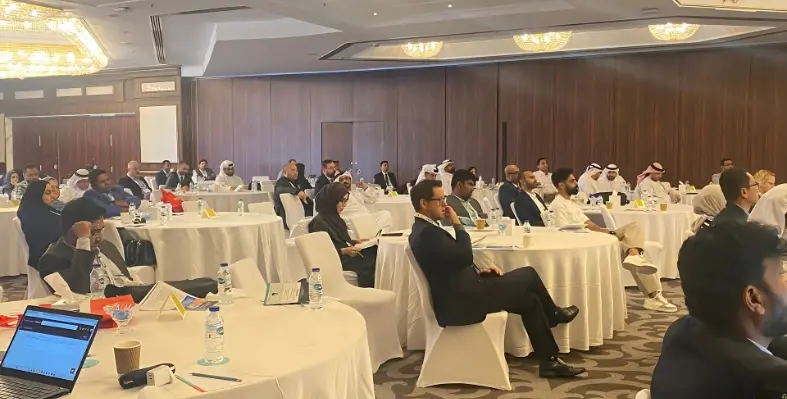
At HSE KSA 2025, issues around subcontractor safety and competency were discussed, where the importance of focusing on the safety management systems and practices of subcontractors was highlighted. Key takeaways included:
• The importance of a robust procurement process, with health and safety embedded right from the start and included in the assessment criteria
• The need for uniform HSE practices across projects and locations, with a focus on self-driven safety leadership and standards rather than relying on client-dependent compliance;
• The need for main contractors and subcontractors to have their own HSE management systems
• The role of joint audits, engagement and leadership to improve overall safety culture; joint audit programmes involving the PMC, main contractor and subcontractors can be implemented to identify and address safety gaps
• The importance of evaluating subcontractors through metrics such as Lost Time Injury (LTI) rates and safety statistics, with incentives and penalties to drive continuous improvement
• The role of technology in providing accountability, real-time visibility and proactive monitoring; digital platforms can be implemented to track subcontractor safety metrics and automate alerts for proactive monitoring
• The importance of accountability and leadership and integration of HSE into business priorities.
There is also a need to address any gaps through targeted, on-the job training programmes, with specific training programmes for the main risk-associated activities – particularly in light of the issue of the new Regulation on Organising Work in High-Risk Professions. This raises the bar for workplace safety and compliance and could have a significant impact on operators of megaprojects, where work can involve elevated safety risks, such as working at height, heavy equipment operations, welding, cutting and mechanical work. Provisions of the law include the requirement for workers to pass medical fitness examinations to obtain a license in order to be able to perform high-risk roles.