
When the Occupational Safety and Health Administration (OSHA) unveiled its preliminary fiscal year 2026 list of the 10 most frequently cited workplace safety standards at the NSC Safety Congress & Expo in September, the underlying message was clear.
The regulatory body continues to find familiar hazards dominating the landscape. However, rather than simply serving as a punitive record, the compliance problems behind these vast numbers offer employers a vital, strategic roadmap for identifying and resolving weaknesses within their own safety programmes.
The announcement brought few surprises at the very top of the rankings. General Requirements for Fall Protection secured the number one position for the 16th consecutive year, amassing a staggering 4,041 violations. Hazard Communication followed in second place with 1,961 violations, whilst Control of Hazardous Energy—commonly referred to in the industry as lockout/tagout—ranked third with 1,863 citations.
Yet, the true value of OSHA’s Top 10 extends far beyond a simple numerical ranking of infractions. It provides a comprehensive diagnostic tool for systemic industrial failures.
The persistent nature of compliance deficiencies
During the presentation, Prent Cline, the acting deputy director of OSHA’s Directorate of Enforcement Programs, offered attendees a closer look at the actual conditions inspectors are encountering during site visits. The data reveals a clear picture of why some of the same structural deficiencies continue to appear year after year, regardless of broader technological advancements.
A significant portion of the employers that OSHA inspects categorise as small and midsize organisations. Cline noted that in many of these cases, the businesses simply do not fully understand the complex regulatory requirements placed upon them. However, it is not merely inexperienced firms that struggle. Even seasoned, highly trained safety professionals can face complicated compliance questions when attempting to apply broad standards to nuanced, real-world operational challenges.
Interestingly, while the specific mix of industries that OSHA inspectors visit changes over time, the underlying fundamental problems remain remarkably persistent across the board.
“These are all issues that seem to crop up again and again,” Cline said.
Safeguarding against mechanical and energy hazards
Further down the preliminary list, the data highlights crucial areas where physical safeguarding frequently falls short.
-
Machine Guarding (1910.212): Rounding out the top 10 list with 1,072 violations, this standard reinforces the continuing and critical importance of protecting employees from hazardous machine motion. It also highlights the necessity of securing points of operation where workers interact directly with moving parts.
-
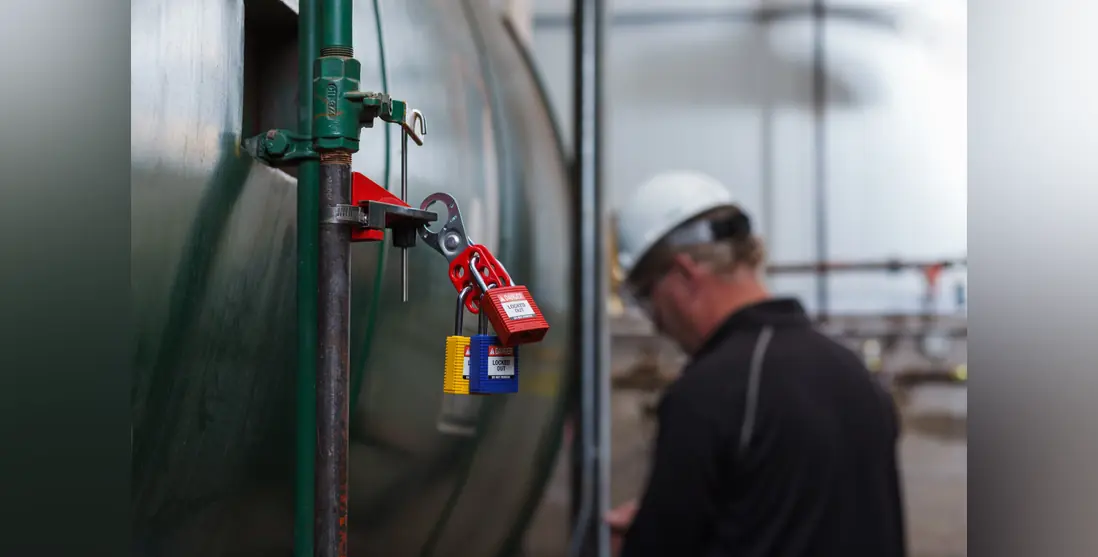
Control of Hazardous Energy: With nearly 2,000 violations, the lockout/tagout standard demonstrates that possessing safety locks is insufficient if the procedural application of securing energy sources is flawed or misunderstood by the workforce.
The complexities of eye and face protection
Ranking ninth on the list with 1,120 violations, Eye and Face Protection (1926.102) presents a unique set of compliance hurdles, particularly within the construction sector. OSHA inspectors have documented several recurring problems that highlight a disconnect between safety policy and practical, on-the-job application.
Inspectors frequently observed the following issues regarding protective eyewear:
-
Employees working with absolutely no eye or face protection at all.
-
Workers wearing standard eyewear that lacked the necessary side protection.
-
The use of protective eyewear that completely failed to meet the applicable regulatory specifications.
-
Workers substituting correct safety spectacles for their normal, everyday prescription glasses, which are not designed to provide the required industrial-grade protection.
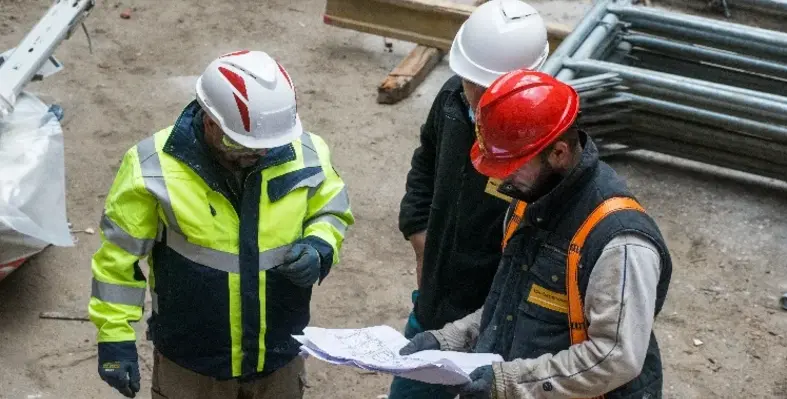
Cline specifically pointed out that OSHA observed heavy concentrations of these violations among framing, roofing, siding, and masonry contractors. This trend was particularly noted in the residential construction and renovation sectors.
The human element of comfort also plays a massive role in driving noncompliance. Workers actively resist wearing their mandatory protection because the equipment frequently fogs up, becomes excessively hot, or is physically uncomfortable during long, intensive shifts. Consequently, eye protection becomes a hazard that is incredibly easy for management to miss during periodic safety audits, simply because compliance can change rapidly from worker to worker and from job to job.
By analysing these specific operational failures—from a lack of side shields to the complexities of machine guarding—organisations can move beyond mere regulatory box-ticking. The OSHA 2026 data serves as a compelling reminder that true workplace safety requires continuous, daily vigilance and a deep understanding of the practical challenges workers face on the ground.