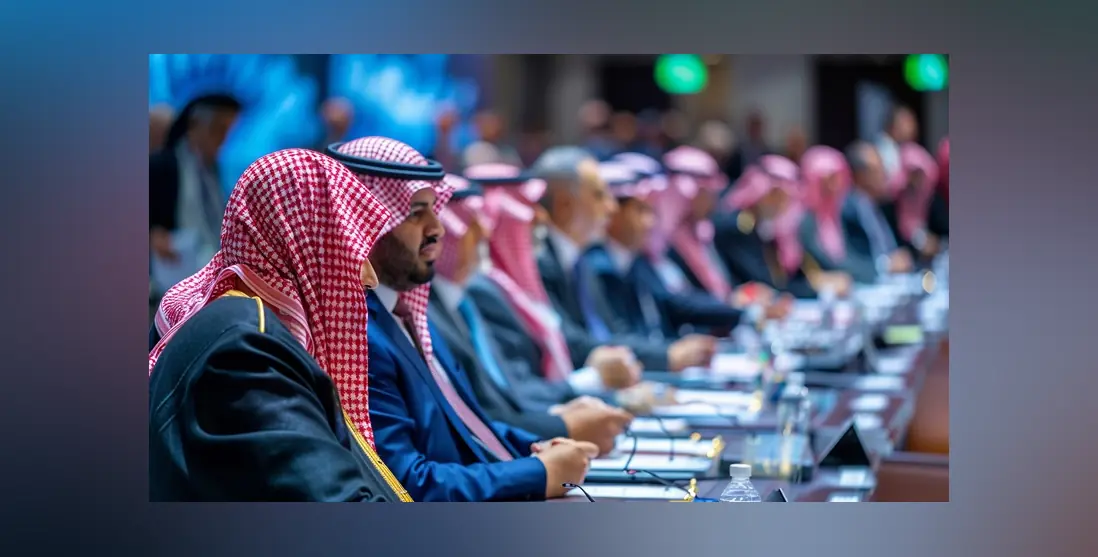
During a recent session in Riyadh chaired by Crown Prince and Prime Minister Mohammed bin Salman, the Saudi Cabinet approved several key measures and international agreements that directly impact Health, Safety, and Environment (HSE) standards, public health resilience, and sustainable resource management across the Kingdom and the broader Gulf region.
Public health and emergency preparedness
The Cabinet approved the implementation of two major resolutions from the 41st Supreme Council of the Gulf Cooperation Council (GCC) summit in Al-Ula.
With the adoption of the Gulf General Framework for the Public Health Plan for Preparedness and Response in Emergencies, unified protocols will be established for managing regional health crises and emergency response operations.
An Early Health Warning System Guide has been launched to strengthen proactive surveillance, risk detection and rapid response capabilities to mitigate public health threats before they escalate.
Environmental sustainability and resource management
On the environmental and energy front, the Cabinet authorised new international partnerships focused on clean energy transition and water conservation.
The Minister of Energy (or a deputy) was authorised to negotiate and sign a memorandum of understanding (MoU) with the International Renewable Energy Agency (IRENA) to advance renewable energy initiatives, alongside ratifying a broader energy cooperation MoU with Canada’s Ministry of Natural Resources.
Recognising the critical role of water security in environmental sustainability, the Cabinet authorised the Minister of Environment, Water and Agriculture — who also chairs the Saudi Water Authority — to pursue an MoU with Singapore’s National Water Agency focused on integrated water resources management.
Beyond direct health and environmental agreements, the Cabinet’s broader strategic discussions emphasised operational security and regulatory oversight. Ministers underscored the necessity of safeguarding maritime corridors, reviewed the Kingdom's economic performance under Saudi Vision 2030, highlighting sustained funding for essential public services and development projects, and also discussed the necessity for strengthening regulatory frameworks in data and artificial intelligence.