Work-related accidents and illnesses impact millions of workers and organisations annually. In a typical year, 395 million injuries occur across the global workforce and almost three million workers suffer fatal workplace accidents, irreparably impacting the lives of millions of people
Workplace safety breaches, accidents and injuries are estimated to cost the global economy as much as US$3 trillion per year via operational disruptions and lost productivity, affecting not only the physical and mental health of skilled workers, but the stability of their organisations.
To protect employees and enable leaders to run safer, more efficient operations, more must be done to improve workplace safety. With this in mind, increasing numbers of organisations are exploring novel ways to build safer frontline operations using integrated safety solutions.
What are integrated safety technologies?
Integrated safety technologies are combinations of smart devices and digital platforms that use real-world data to inform safety operations. Stationary and wearable smart devices like AI cameras and sensors collect health, safety and environmental data pertaining to workers and workplace practices and provide insights used to proactively address risks and hazards.
Key technologies deployed in integrated safety systems include:
- Internet of Things (IoT) sensors: Motion, pressure, heat, air quality and wider IoT sensors monitor environments for signs of emerging site-specific workplace hazards.
- AI-powered cameras: Cameras equipped with AI video analytics software are used to identify anomalous events and trigger automated responses to emerging hazards.
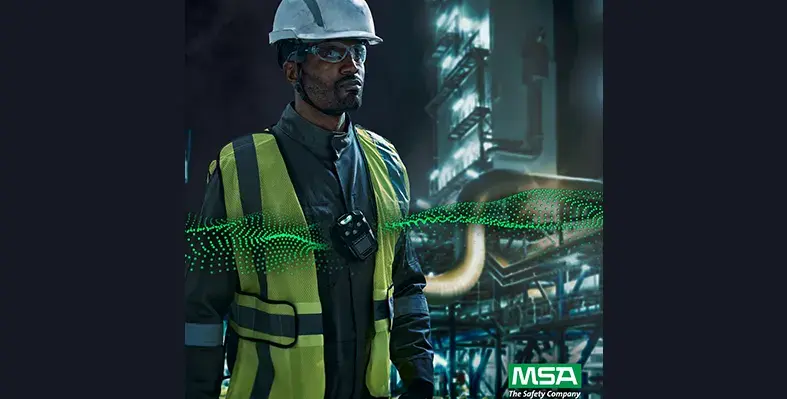
- Wearable smart devices: IoT sensors and body cameras are worn by workers and used to collect real-time data about workers’ vital signs and workplace environments.
- Analytics platforms: Data collected by sensors and smart devices is compiled and continuously analyzed to generate insights into emerging trends and subtle hazards.
- Digital management systems: Remote-accessible management systems combine the operation of wider technologies to create an integrated workplace safety solution.
How integrated technologies build safer frontline operations
By combining the operation of smart safety devices within a unified, integrated management system, leaders can better-understand emerging hazards and develop automated responses to safety risks. Below are some examples of how integrated systems improve frontline safety.
Real-time hazard detection
Integrations between cameras, sensors and management systems enable leaders to identify and address hazards in real time. Devices can be configured to detect site-specific hazards like PPE misuse, machine failures and security breaches, then trigger automated responses.
For example, if a worker is seen entering a high-risk area without required PPE or dangerous levels of toxic gases are detected in an enclosed space, automatic responses will be enacted like alarms sounding, HVAC solutions activating and site managers receiving real-time alerts.
Environment and health monitoring
Smart sensors worn by workers continuously monitor health and environmental conditions to help action emerging hazards before impacts are felt. Systems can be used to address key risks associated with exhaustion, unsafe conditions and breaches of workplace safety rules.
Wearable sensors can trigger automatic responses to heart rate spikes, unsafe temperatures and employees surpassing working time regulations, as well as warn workers of hazards in their immediate environment via vibrations when they walk too close to dangerous machines.
Data-driven hazard mitigation
In addition to addressing hazards in real time, integrated technologies can help to inform long-term safety improvements. Sensor and camera data can be continuously collected and analysed within a unified management platform to generate actionable insights and reports.
AI-powered analytics software can identify subtle trends in incident reports that highlight risks and vulnerabilities in existing practices. These insights can inform practical improvements to safety rules and operational workflows designed to proactively mitigate site-specific hazards.
Practical protections in dynamic environments
For personnel in high-risk industries like manufacturing and construction, integrated safety technologies provide unparalleled protections against common risks. By using high-quality, real-time data to inform hazard responses, operators can effectively address dynamic risks.
By continuously strengthening safety rules informed by site-specific data and AI-powered insights, leaders can transition from a reactive to a proactive safety culture, enabling teams to address dynamic hazards and safeguard workers to improve business-wide efficiencies.