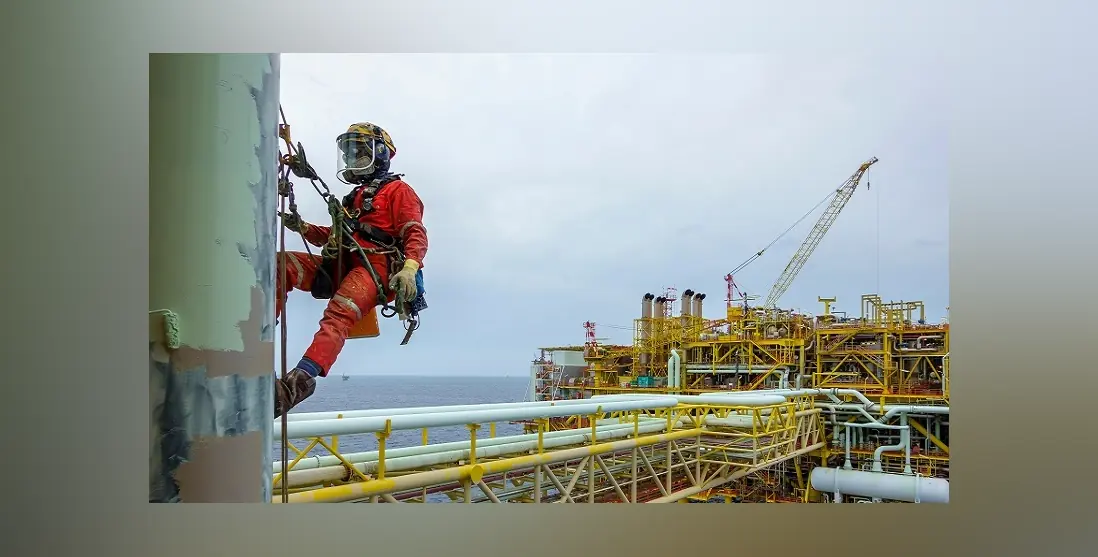
The offshore marine contracting industry should place greater emphasis on preventing serious injuries and fatalities by identifying high-consequence hazards before they result in tragedy, according to the International Marine Contractors Association (IMCA), the international body
The latest Annual Safety Statistics report from the IMCA, which covers more than 1.02 billion working hours submitted by 167 contractor members, reveals that, while injury rates continue to improve, the number of fatalities has risen. Injury rates alone cannot therefore provide a complete picture of risk, with fatal accidents a continued threat across the offshore marine contracting industry.
Key messages
Key messages from the 2025 data include:
Injury rates improved
Contractor members reported 268 lost-time injuries and 996 total recordable injuries during 2025. This represents a fall in Lost Time Injury Frequency Rate (LTIFR) from 0.30 to 0.27 and a fall in the Total
Recordable Injury Rate (TRIR) from 1.10 to 0.98. While this is good news, these indicators do not always show where fatal or life-changing harm could occur.
Fatalities rose
Fatalities rose from three to seven (four of which are offshore), representing an increase in the Fatal Accident Rate (FAR) from 0.30 to 0.69. Reported fatal incidents included an electrocution, a fall from height and a mooring incident involving a parted rope, while details of four additional fatalities were not provided. This reinforces the need to look beyond headline injury rates and focus more directly on serious injury and fatality prevention. Greater emphasis needs to be placed on identifying high-consequences hazards before they result in tragedy, rather than relying on traditional performance measures.
Line of fire remained the leading cause of LTIs
Line of fire remained the most common cause of LTIs in 2025 and a recurring serious harm concern. This needs to be broken down into the work situations where people are exposed to harmful energy. These include lifting and rigging, mooring, moving equipment, dropped objects, stored energy, suspended loads, and tasks where hands or body parts are placed in hazardous positions. The key issue is not only awareness, but whether work is planned and controlled so people are not placed in the path of harmful energy. This includes hands-free working, exclusion zones, tag line use, lifting control, equipment design, communication, supervision, and stop-work confidence.
Safety observation reporting fell significantly
The Safety Observation Frequency Rate (SOFR) fell from 482.1 to 387.1 observations per 200,000 hours worked, down by around 20%. The reasons remain unclear and could include changes in reporting behaviour, participating companies or reporting systems. However, the IMCA believes companies should focus less on the volume of observation cards submitted and more on whether observations generate meaningful learning, practical improvements and stronger safety conversations.
Serious incidents continue to occur during familiar activities
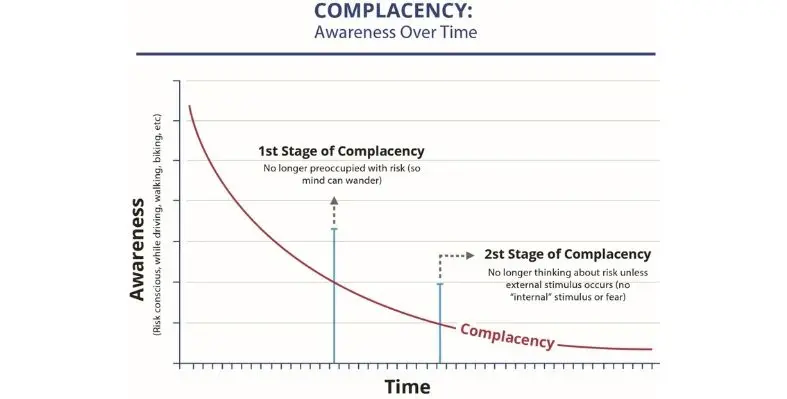
Many of the industry’s most serious incidents continue to occur during familiar activities rather than exceptional operations, reinforcing the importance of effective planning, supervision and risk management every day.
Areas requiring attention
The IMCA identifies several recurring areas requiring continued attention, including:
• line-of-fire hazards
• lifting and rigging operations
• dropped objects
• mooring and snap-back zones
• working at height
• electrical safety
• routine day-to-day tasks.
Priorities for future safety
The findings will now directly shape IMCA’s future safety programme, with priorities including:
• strengthening serious injury and fatality prevention,
• improving understanding of line-of-fire risks,
• investigating the decline in safety observations,
• encouraging wider industry participation in safety reporting, and
• strengthening the link between Safety Flashes, guidance and practical action.
The IMCA helps the report will help companies identify serious risks earlier, strengthen critical controls and share learning across the offshore marine contracting industry.
Mark Holmes, safety and security manager at IMCA, said, “Every fatality represents a person, a family and a workforce affected by loss. While the continued improvement in injury rates is encouraging and reflects the hard work of our Members, these figures demonstrate that serious harm risks remain present despite improving injury statistics.
“Safety performance should no longer be judged primarily by injury frequency rates, but by how effectively companies identify and control the hazards most likely to result in death or life-changing injury.
“Every contractor, supervisor and worker has a responsibility to recognise serious risks before they become tragedies. The goal remains the same: everyone working in our industry should go home safe and well.”