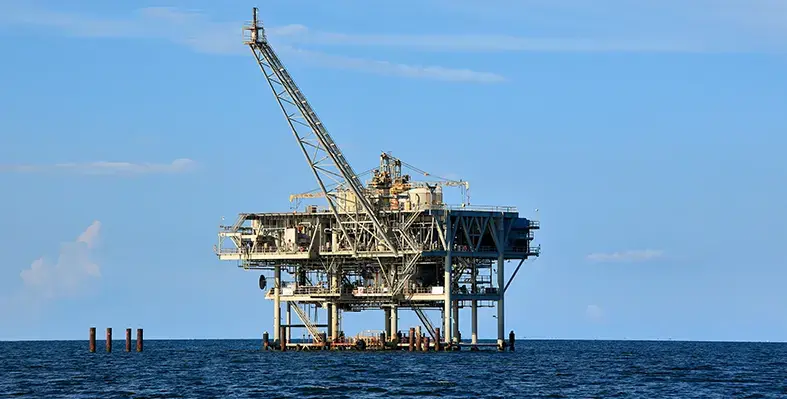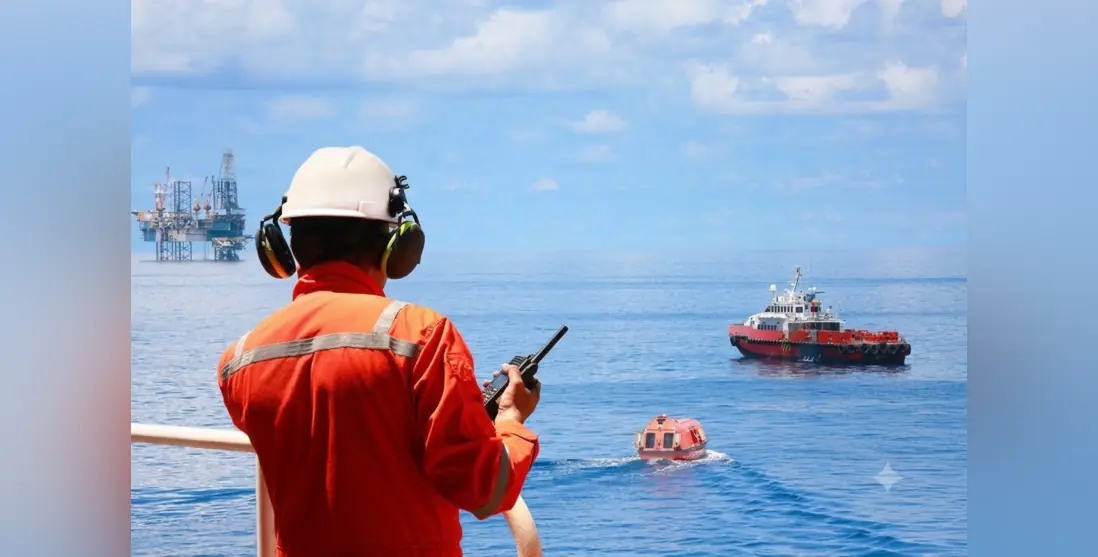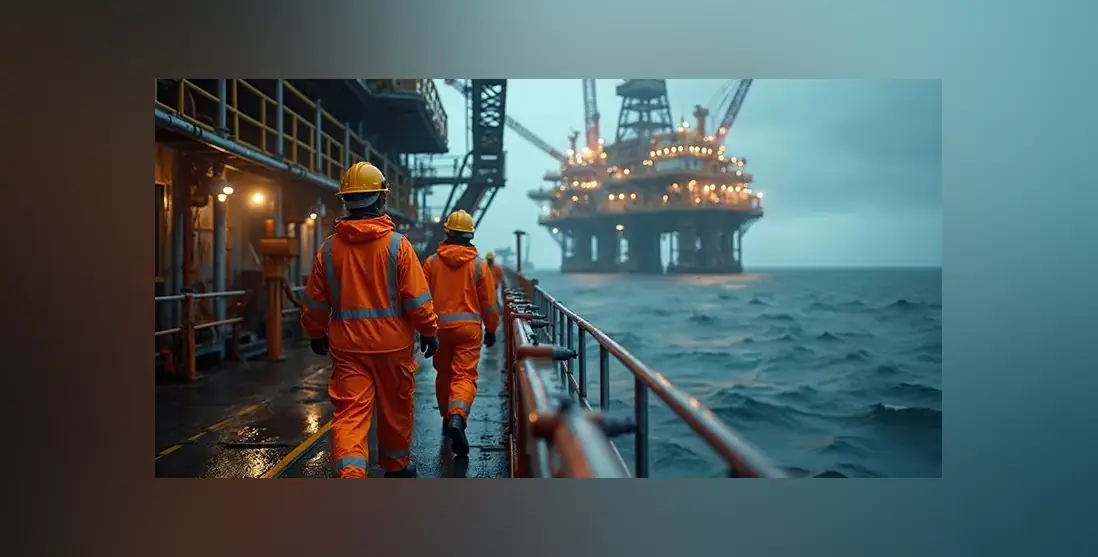
Retiring an offshore oil and gas platform has long involved complex maritime operations and rigorous safety planning, yet federal regulators in the United States are examining a different path for qualifying structures.
On 16 November 2026, the Marine Minerals Administration (MMA) announced a proposed Federal Outer Continental Shelf Reef-in-Place Program that could convert eligible decommissioned offshore structures into permanent artificial reefs. Once the notice is published in the Federal Register, MMA will open a public comment period to gather input on how this approach can work safely and effectively across federal waters.
For offshore workers, vessel crews, and maritime stakeholders, shifting from full removal toward reef conversion raises practical questions around structural integrity, marine operations, and waterway safety. Rather than treating decommissioning purely as a dismantling exercise, regulators are looking at how leaving approved installations in place can support coastal ecosystems and recreational angling while maintaining clear safeguards for vessels operating offshore.
Building on state reef programmes and safety standards
Coastal states along the Gulf of America have operated artificial reef programmes for decades, allowing certain decommissioned offshore oil and gas structures to become artificial reefs rather than requiring complete removal of the infrastructure. Those established efforts show how retired energy assets can be repurposed productively when carefully managed.
With its upcoming Request for Information, the Marine Minerals Administration will seek information on how a federal program could complement these existing state programs while providing a consistent framework across the Outer Continental Shelf. A unified federal approach could help align standards across broader offshore zones while accounting for operational conditions beyond state waters.
“Eligible offshore structures can continue to serve our coastal communities as artificial reefs that support marine habitat and expand fishing and recreational opportunities,” said Mike Olsen, acting Director of the Marine Minerals Administration. “We want to hear from states, tribes, fishermen, offshore operators and scientists as we develop a federal program that builds on successful state efforts and addresses the unique conditions of the Outer Continental Shelf.”
Mandate under Executive Order 14430
The Request for Information will support implementation of Executive Order 14430, “Restoring American Saltwater Angling and Recreation,” signed Sept. 17, 2026. Under this directive, MMA is tasked with establishing a federal programme to facilitate the conversion of decommissioned offshore oil and gas infrastructure into artificial reefs, with clear boundaries around eligible assets and conversion methods:
-
Approved conversion methods: The order directs MMA to establish a federal program to facilitate the conversion of decommissioned offshore oil and gas infrastructure into artificial reefs through reef-in-place, topple-in-place or other approved methods.
-
Oil and gas scope: The initiative applies to eligible decommissioned offshore oil and gas structures rather than mandating complete removal in every case.
-
Offshore wind exclusion: Infrastructure associated with offshore wind energy facilities is excluded.
-
Habitat and recreation goals: The program aims to expand artificial reefs in federal waters to enhance marine habitat, fishing and other recreational opportunities.
Key considerations from safety to liability
Any transition from traditional removal to reef conversion affects how crews, mariners, and operators interact with retired infrastructure over time. Among the topics MMA is exploring are program eligibility and structure; environmental and ecological considerations; navigation, safety and national security safeguards; permitting; liability; coordination with existing state programs; and partnership opportunities.
For those working at sea or managing offshore assets, navigation, safety and national security safeguards alongside permitting and liability are central to making reef conversion workable in practice. Clear rules on how structures are positioned, marked, or modified—and who holds long-term responsibility once conversion occurs—help protect commercial vessels, fishing boats, and offshore personnel from unexpected hazards.
How to participate in the consultation
Further information on the request and instructions for providing comments can be found in the Federal Register at Regulations.gov once published. Opening this consultation gives offshore operators, safety specialists, scientists, tribes, fishermen, and coastal states an early chance to shape a practical, safety-conscious framework for decommissioned structures across the Outer Continental Shelf.