
As temperatures soar across the Arabian Peninsula during the peak of summer, the physical toll on outdoor workers becomes a critical concern for authorities and employers alike.
Protecting the workforce from extreme heat is not just a matter of compassion; it is a fundamental pillar of modern occupational safety. In a resolute effort to safeguard its vast private sector workforce, Saudi Arabia has officially concluded its stringent 2026 ban on working under direct sunlight.
The official conclusion and nationwide monitoring
The HRSD, working in tandem with the National Council for Occupational Safety and Health, formally announced the successful conclusion of the 2026 implementation period for the midday work ban.
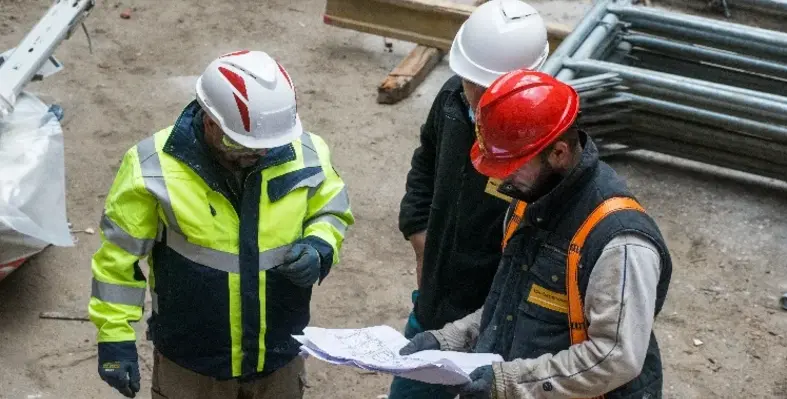
To ensure that private sector establishments adhered strictly to these life-saving regulations, the Ministry deployed extensive administrative resources across the Kingdom. Rather than relying solely on voluntary compliance, government inspection teams proactively canvassed construction sites, infrastructure projects, and other vulnerable outdoor workspaces. The immense scale of the monitoring effort reflects the government's zero-tolerance policy towards occupational hazards and the endangerment of workers.
By the numbers: inspections and accountability
The Ministry's rigorous enforcement strategy yielded significant data, illustrating both the high levels of compliance and the specific areas where immediate intervention was necessary. The key figures from the 2026 enforcement period highlight the highly proactive nature of the HRSD's operations:
-
Extensive Field Visits: To monitor compliance with the ban, the Ministry's inspection teams conducted over 17,000 field visits across the Kingdom, ensuring comprehensive geographical coverage.
-
Targeted Enforcement: The intensive monitoring and on-site checks resulted in the recording of 1,910 violations against non-compliant establishments that failed to protect their staff.
-
Community Engagement: Between the commencement of the ban and the 26th of August, the Ministry received and rapidly processed over 300 reports from the public and workers.
The mechanics of the midday work ban
Understanding the mechanics of the midday work ban provides excellent insight into its fundamental necessity. Annually implemented from the 15th of June through to the 15th of September, the regulation strictly prohibits any work under direct sunlight between 12:00 PM and 3:00 PM.
By enforcing this mandatory break, the government actively shields millions of workers from the most dangerous parts of the day. Employers are consequently required to adjust their operating schedules—such as starting shifts much earlier in the morning or extending them into the cooler evening hours—to maintain productivity without ever compromising staff welfare.
Aligning with Saudi Vision 2030
This stringent approach to occupational health is not an isolated policy; it is deeply interwoven with the ambitious goals of Saudi Vision 2030. A central objective of this transformative national agenda is to drastically improve the domestic work environment and elevate occupational safety and health standards to match or exceed global benchmarks.
By prioritising the physical well-being of the labour force, Saudi Arabia is cultivating a highly sustainable and attractive labour market. The strict enforcement of the midday work ban serves as a tangible demonstration of the Kingdom’s steadfast commitment to workplace safety.
Looking Forward
As the 2026 summer period formally concludes, the data gathered from the 17,000 inspections will directly inform future regulatory strategies, helping the HRSD continuously refine its monitoring techniques. The successful execution of the ban reinforces the essential message that while the nation continues its rapid infrastructural development, the health of the people building it remains completely paramount. Through continuous vigilance, the Kingdom is setting a regional benchmark for occupational safety.