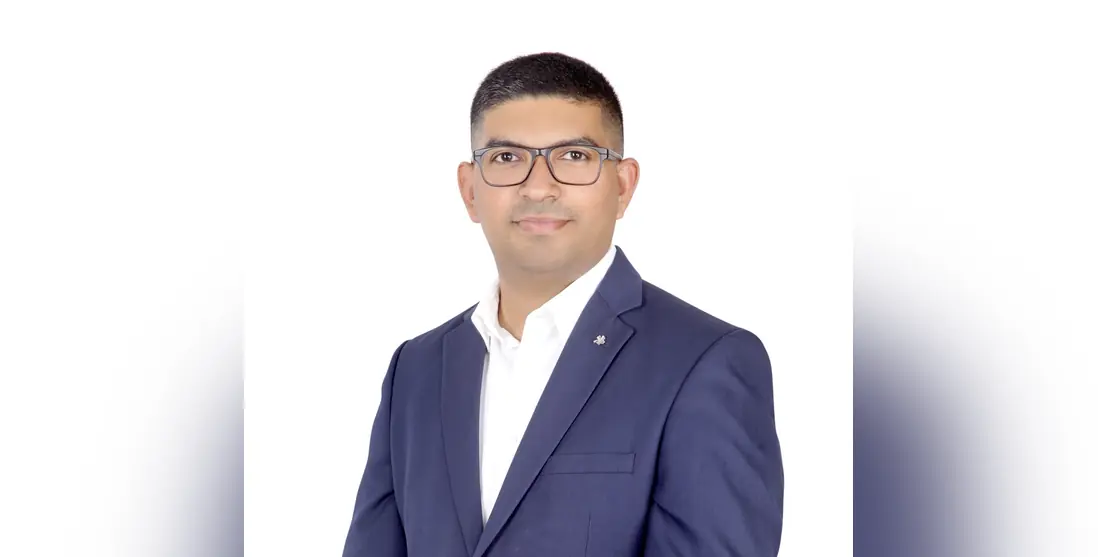
Across the GCC and wider region, HSE is being reshaped by a combination of operational scale, workforce complexity, climate-related risk, digitalisation and changing expectations of safety leadership. In this interview, Shebin Abraham, founder of QHSE Directory, who has more thna two decades of international HSE experience, discusses the changing HSE landscape, emerging risks, AI and digitalisation and how the profession is evolving. He concludes that the strongest future model will combine experience, data, technology, human judgement and collaboration.
HSE Review: Since we last spoke, what are some of the biggest changes you have observed in the HSE landscape across the GCC and wider region?
Shebin Abraham: Over the past few years, I have seen a significant shift in how organisations think about HSE.
Earlier, in many organisations, HSE was viewed primarily through the lens of compliance - meeting regulatory requirements, completing inspections, conducting training and closing observations.
Today, the conversation is becoming much broader.
Organisations are increasingly looking at risk prediction, worker wellbeing, operational resilience, process safety, environmental performance, contractor management and the use of technology to prevent incidents before they happen.
The regional operating environment is also changing rapidly. The scale of construction, infrastructure, energy, manufacturing, logistics and industrial development across the GCC means that HSE teams are managing increasingly complex operations and workforces.
Climate-related risks are another area that cannot be ignored. In the UAE, for example, occupational heat stress remains a significant operational consideration, with the 2026 midday work restriction running from June 15 to September 15.
But perhaps the biggest change I see is philosophical.
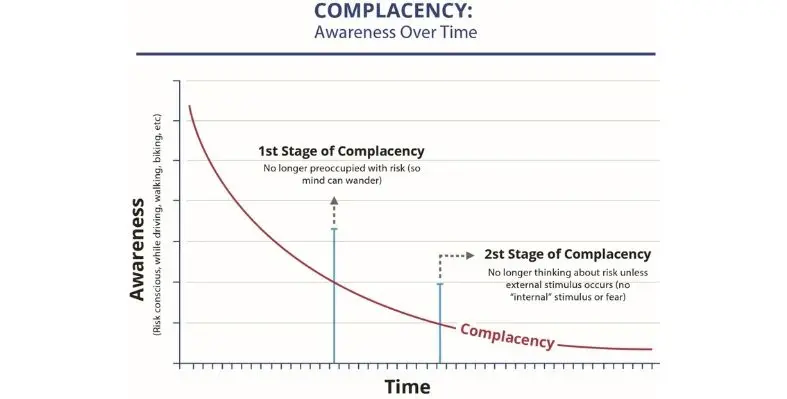
Good HSE is gradually moving from being reactive to being predictive.
The question is no longer only, "Did an incident happen?"
It is increasingly becoming: "What signals are telling us that an incident could happen, and what can we do before it does?"
That shift will define the next generation of HSE management.
HSE Review: What HSE priorities are organisations focusing on most today, and which emerging risks do you believe deserve much greater attention?
Shebin Abraham: The priorities vary by industry, but several themes are becoming common across the region.
Organisations are continuing to focus heavily on process safety, high-risk activities, contractor safety, emergency preparedness, occupational health, environmental compliance and workforce competency.
At the same time, I believe we need to broaden our definition of risk.
For example, heat stress and occupational health cannot be treated as seasonal or secondary issues. They need to become part of operational planning.
We also need to pay more attention to psychosocial risks, fatigue, human factors, ergonomics and the changing nature of work.
And then there is technology.
As organisations introduce automation, robotics, AI-powered systems, connected equipment and digital monitoring, we are creating new categories of risk alongside the opportunities.
Cybersecurity, human-machine interaction, algorithmic decision-making, data quality and over-reliance on automated systems will increasingly become relevant to HSE professionals.
The ILO's recent work on AI and digitalisation makes this point very clearly: technology can reduce hazardous exposure and improve monitoring, but it can also introduce new ergonomic, psychological, operational and cybersecurity risks.
The HSE professional of the future has to ask two questions simultaneously.
"What risk can this technology remove?" "What new risk does this technology create?"
HSE Review: With AI, technology and data increasingly entering the HSE space, where do you see the greatest opportunities - and where should organisations be cautious?
Shebin Abraham: I see enormous potential in technology, particularly when it is used to strengthen the work of HSE professionals rather than replace professional judgement.
AI can help organisations analyse large volumes of inspection data, identify recurring patterns, prioritise risks, analyse incident trends and support decision-making.
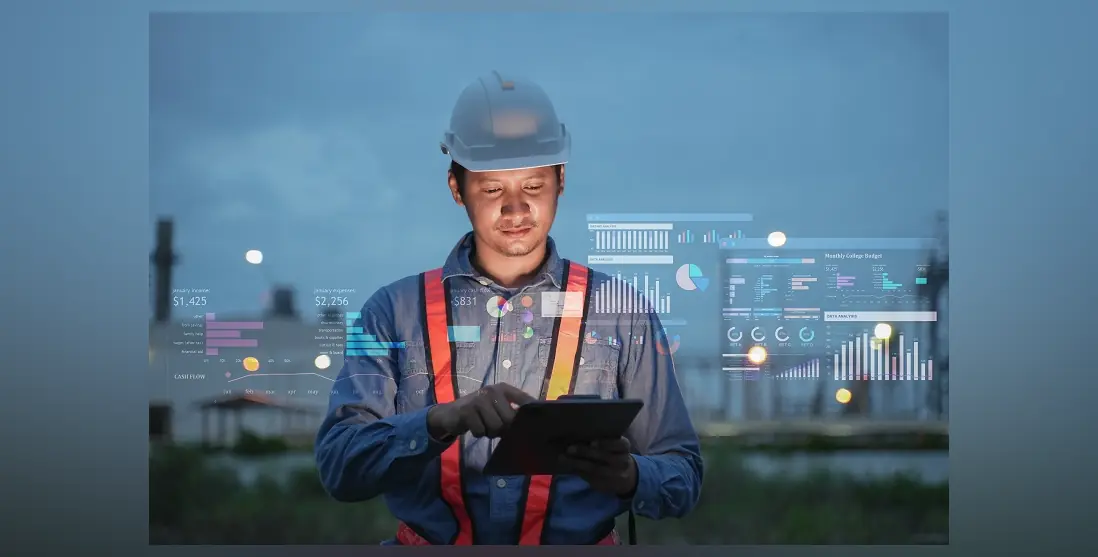
Computer vision, IoT sensors, wearables, environmental monitoring, digital permit-to-work systems, VR training and predictive analytics can also help move HSE from periodic observation towards continuous risk visibility.
We are already seeing this direction emerging across the industry.
But I would caution organisations against adopting technology simply because it is labelled "AI".
Technology is not the safety strategy. It is an enabler of the safety strategy.
If the underlying data is poor, AI can produce poor conclusions. If workers do not trust the system, adoption will suffer. If an organisation uses technology as a substitute for competent HSE professionals, it can create new vulnerabilities.
The ILO has also highlighted the importance of worker participation, appropriate governance and proactive risk assessment when introducing AI and digital technologies into occupational safety and health.
My approach is therefore simple: Use technology to see more, understand more and respond faster – but keep human expertise, accountability and worker involvement at the centre.
HSE Review: QHSE Directory has evolved significantly over the past year. What have you learned from the way the global HSE community is using and engaging with the platform?
Shebin Abraham: When QHSE Directory started, the idea was relatively simple: make it easier for HSE professionals and organisations to find the right safety solutions.
But our experience has shown us that the industry needs much more than a directory.
There is a huge ecosystem behind HSE – manufacturers, consultants, training providers, technology companies, freelancers, universities, conferences, procurement teams and, most importantly, the professionals working on the ground.
The challenge is often not that solutions don't exist.
The challenge is discovering the right solution, understanding it, trusting it and connecting with the right provider.
That is where QHSE Directory has evolved.
Today, we are building a broader ecosystem connecting HSE professionals, organisations, manufacturers, consultants, trainers and solution providers across markets. The platform now covers areas including HSE products, digital solutions, training, consultants, freelancers, universities and industry events.
One of the biggest things I have learned is that the HSE community is extremely willing to share knowledge when the platform creates genuine value.
Our growing professional network and engagement have reinforced something I have believed throughout my career: HSE is not a collection of isolated companies and professionals. It is an ecosystem.
QHSE Directory's long-term objective is therefore not simply to list companies. It is to make that ecosystem more connected, discoverable and accessible.
HSE Review: If you look five years ahead, what will the HSE profession need to do differently to remain relevant and stay ahead of emerging risks?
Shebin Abraham: I believe the next five years will require a fundamental change in the role of the HSE professional. We cannot remain focused only on compliance, inspections and incident investigation.
The HSE professional of the future will need to understand technology, data, business operations, human behaviour, sustainability and emerging risks alongside traditional safety knowledge.
We also need to become better at communicating with senior leadership.
Safety should not be presented only as a cost or compliance requirement. It should be connected to business continuity, productivity, operational resilience, workforce wellbeing, reputation and long-term value.
Another important change will be collaboration.
No single organisation has all the answers. There are excellent technologies, products, consultants, training providers and innovations being developed across different countries, but many of them remain invisible to the organisations that could benefit from them.
That is one of the reasons I believe platforms and professional ecosystems will become increasingly important.
Finally, we need to invest in people.
Technology will change the tools we use, but competent people wil still be at the heart of safety.
The HSE profession needs professionals who are technically strong, digitally aware, commercially conscious and willing to continuously learn.
If we can combine experience + data + technology + human judgement + collaboration, I believe we can build a much more proactive HSE ecosystem over the next five years.
HSE Review: After more than two decades working across different industries and countries, what is one lesson about HSE that has stayed with you throughout your career?
Shebin Abraham: If there is one lesson I have learned throughout my career, it is that safety is ultimately about people.
Procedures, standards, audits, technology and systems are all important. But none of them can replace the judgement, behaviour and commitment of the people doing the work.
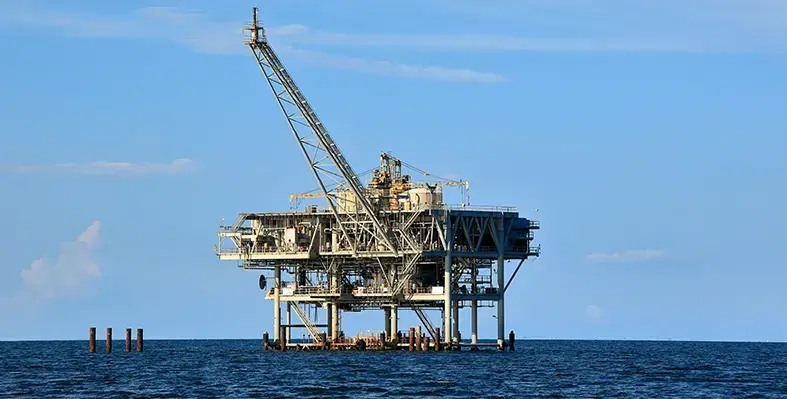
I have worked across construction, oil and gas, offshore projects, manufacturing, shipyards, industrial operations and other high-risk environments. The technology and processes may change from project to project, but one thing remains constant: people need to understand the risk, believe that safety matters and have the confidence to speak up when something is not right.
That is why I remain optimistic about the future of HSE.
We have better technology, better data, better international knowledge-sharing and more innovative solutions than ever before.
Safety is ultimately about people.
The opportunity now is to connect all of these things together – and make sure they ultimately improve the safety and wellbeing of the people who go to work every day.