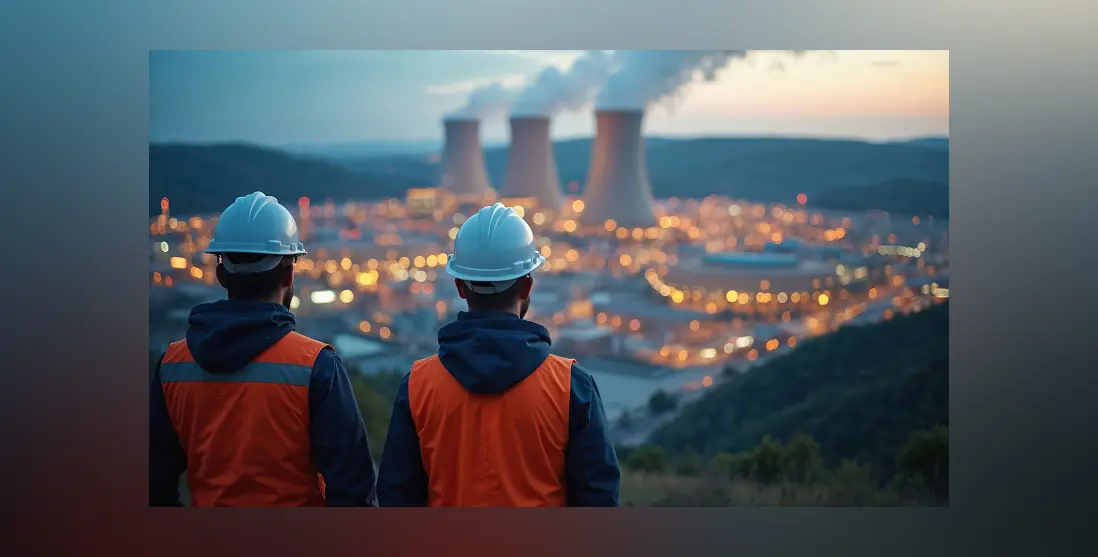
To strengthen cross-border nuclear and radiological emergencies, Qatar and Saudi Arabia have signed a memorandum of understanding for coordination in nuclear safety and radiation protection, including radiation monitoring, laboratory analysis and joint preparedness
Signed by the Ministry of Environment and Climate Change and Saudi Arabia's Nuclear and Radiological Regulatory Commission, the memorandum has been designed to combine the laws operative in both countries for stronger impact.
Signing for Qatar was His Excellency Undersecretary of the Ministry of Environment and Climate Change Engineer Abdulaziz bin Ahmed bin Abdullah al-Mahmoud, and for the kingdom, Nuclear and Radiological Regulatory Commission chief executive Khalid bin Abdulaziz al-Issa. The signatories reviewed how each side can contribute to nuclear safety and radiation protection to exchange expertise and advance technical co-operation.
Abdullah al-Mahmoud called the memorandum a development advancing the longstanding Qatari-Saudi ties with rich shared history. With this move, the two countries will see wider technical and scientific co-operation, sharing intelligence on nuclear safety and radiation protection.
The memorandum would formalise and give structure to this sector-specific relationship built on information exchange, research and studies, upskilling opportunities and support co-ordination in radiation monitoring, laboratory analysis and nuclear emergency preparedness and response. The collaboration will benefit human health and the environment, by leveraging nuclear technologies for the cause of peace. The Undersecretary anticipates unlocking new avenues between institutions in both countries and consolidate the Qatari-Saudi partnership in environmental and technical fields.
The areas of cooperation underline diverse aspects from nuclear security and safety, radiation safety and radiation protection to methods of monitoring nuclear facilities and radiation practices, preparedness and response to cross-border nuclear and radiological emergencies, and the provision of assistance should such an emergency occur. Co-operation also extends to radiological laboratories and analyses, the safe transport of radioactive sources, the exchange of information, scientific research, studies, expertise and documents, and the organisation of conferences, seminars and workshops.
The memorandum also comes with scope for the exchange of specialists through scientific and technical visits and training programmes, technical assistance, joint working groups to carry out agreed studies and projects, and a joint committee to develop the co-operation programmes and monitor their implementation.