
Iraq is stepping up measures to protect workers from heat-related occupational risks as temperatures continue to rise, with the Independent High Commission for Human Rights (IHCHR) reviewing workplace safety measures in Baghdad.
The IHCHR-Baghdad Office visited the Ministry of Labour and Social Affairs’ National Centre for Occupational Health and Safety to assess the measures being implemented to reduce the risks associated with heat stress in workplaces.
During the visit, the IHCHR team met with the Director General of the National Centre for Occupational Health and Safety, who outlined the measures being implemented under Labour Law No. (37) of 2015 to reduce occupational injuries linked to heat stress.
The measures include shortening working hours and stopping work during peak heat periods. Employers are also required to provide workers with personal protective equipment and drinking water as part of workplace safety requirements.
The Centre is increasing inspection visits to assess whether employers are complying with the required safety measures. Cases involving violations are referred to the competent judicial authorities for appropriate action.
Alongside enforcement activities, the Centre monitors injury statistics received from health institutions. Specialised committees assess reported cases to determine their causes and identify the factors contributing to occupational injuries.
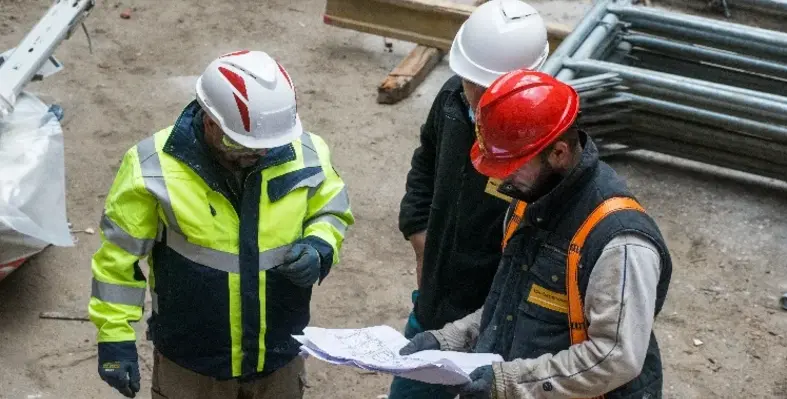
Awareness activities are also being expanded at workplaces considered particularly vulnerable to heat stress. Construction and building projects are among the sectors specifically targeted by these campaigns.
The Centre is also working with the Baghdad Mayoralty to use public electronic screens to distribute information on heat stress prevention and broader occupational safety risks.
Worker protection extends beyond preventive measures, with existing legislation providing specific rights for employees who suffer workplace injuries. These include access to medical treatment at the employer’s expense and legally prescribed leave based on the worker’s health condition.
Legal measures can also be taken against employers that fail to comply with workplace safety requirements when complaints are submitted. Such action is carried out in coordination with the relevant security and judicial authorities.
The IHCHR visit highlights the importance of strengthening occupational health and safety measures as extreme heat creates additional risks for workers, particularly those employed in outdoor and construction-related activities.