
The modern workplace is no longer merely threatened by heavy machinery or precarious scaffolding. Today, the most formidable hazards facing our workforce are invisible illnesses, algorithmic bosses, and record-breaking heatwaves
While traditional hazards once dominated safety concerns, the International Labour Organization (ILO) warns that the next decade will be defined by these 'invisible killers'. During a pivotal public hearing before the European Parliament's Committee on Employment and Social Affairs, the ILO emphasised the urgent need for a robust, modernised EU strategic framework on health and safety at work for the post-2027 period.
The silent crisis
Although Europe has achieved remarkable success in driving down fatal workplace accidents, a quieter, deadlier crisis is taking a severe toll. Currently, occupational diseases are responsible for more than 98 per cent of all work-related deaths across the European Union. Nearly half of these fatalities are linked to occupational cancers, with circulatory and respiratory illnesses remaining major causes of mortality.
Priorities for the future
Addressing this defining challenge of the coming decade, Joaquim Pintado Nunes, Chief of the ILO Occupational Safety and Health and Working Environment Branch, highlighted future prevention priorities to the European Parliament. He stated: “The prevention of occupational diseases should remain a central priority of the post-2027 framework, including continued action on carcinogens, hazardous substances and disease recognition.” He further noted: “Strong national OSH systems, effective labour inspection and reliable data remain essential to realizing the fundamental right to a safe and healthy working environment.”
Emerging global threats
The ILO also cautions that digitalisation and climate change are fundamentally reshaping global occupational safety:
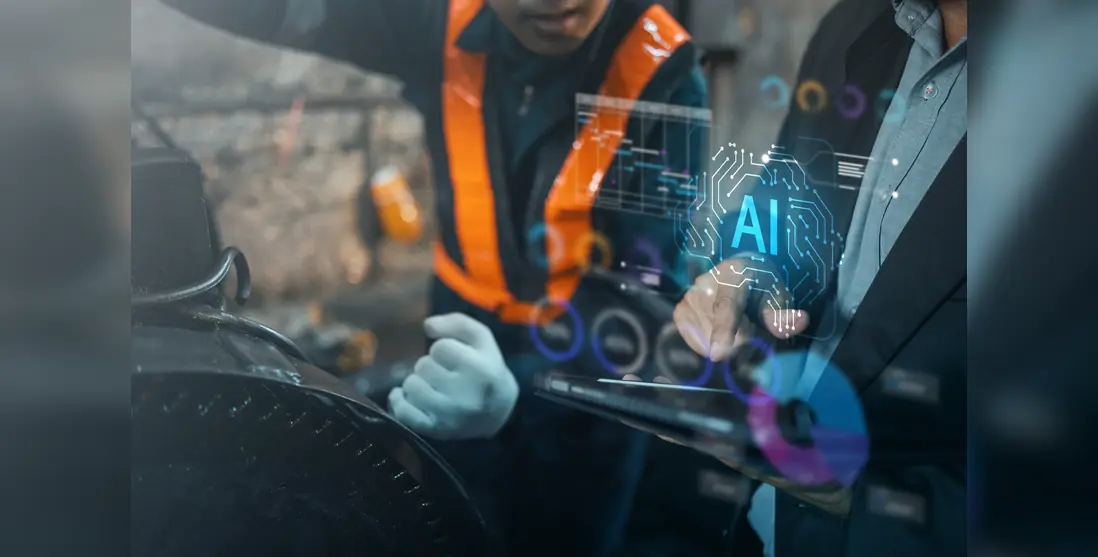
Digitalisation and psychosocial risks: Psychosocial risks contribute to over 840,000 deaths annually worldwide. Furthermore, artificial intelligence introduces complex challenges regarding algorithmic management, intense surveillance, and work intensification.
Climate change: Shifting weather patterns increasingly endanger staff. Europe has endured the fastest global rise in occupational heat exposure over the last two decades, leading to a spike in workplace injuries and chronic illnesses.
Consequently, the ILO strongly advocates for climate adaptation, extreme weather preparedness, and AI oversight to feature prominently in the forthcoming EU Strategic Framework. Following the 2022 recognition of a safe and healthy working environment as a Fundamental Principle and Right at Work, the ILO believes Europe holds the potential to shape the global safety agenda for years to come.