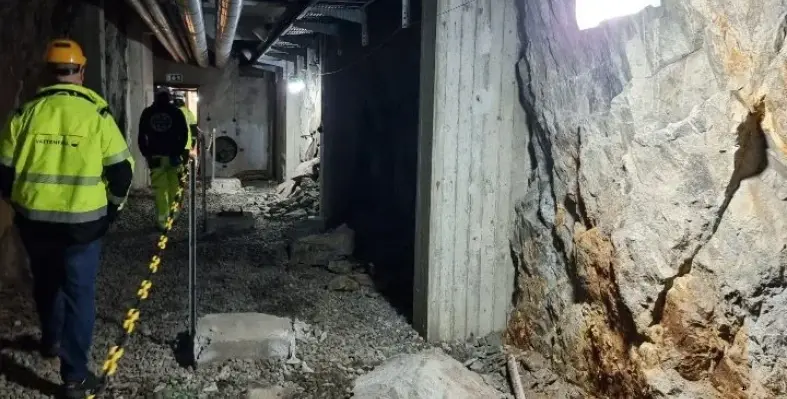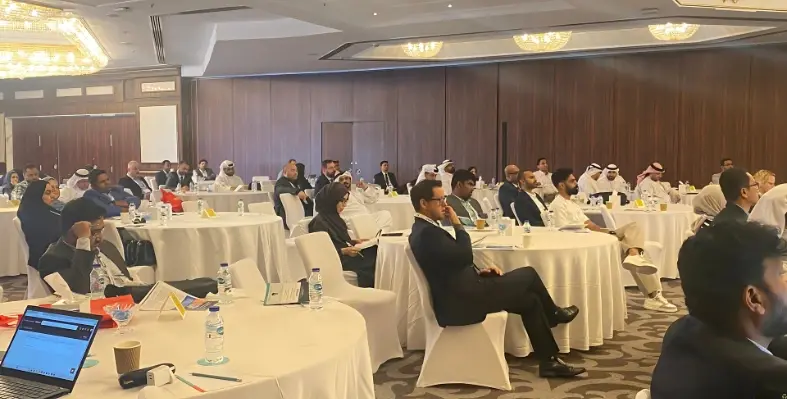

ECITB Global, the international division of the ECITB (Engineering Construction Industry Training Board), has rolled out new confined space courses globally, following their success in Qatar
The new courses are designed to help workers operating in confined spaces within the engineering construction industry (ECI) across the world.
The international skills body introduced the four new confined space courses in Qatar earlier this year to replace the confined space low and medium-risk courses. These now form part of the ECITB training courses mandated by Ashghal, the government regulatory authority for all public works in Qatar.
More than 5,000 learners in Qatar have completed one of the four new courses since then, following which ECITB Global has decided to make the full suite available to its wider global network of international licensed training providers.
The four confined space courses are developed against ECITB training standards, which are created working with subject matter experts from across engineering construction employers, professional organisations and training providers. Topics covered include knowledge of hazards, control and safety measures; permit requirements; precautions when working in a confined space; PPE and confined space entry equipment; and responsibilities. The four new confined space courses are:
• Confined Space Attendant/Hole Watcher (4 hours)
• Confined Space Entrant (4 hours)
• Confined Space Supervisor (6 hours)
• Confined Space Rescue (16-18 hours)
Tristan Kemp, ECITB head of Commercial said, “Given the strong uptake in Qatar, we are delighted to be able to extend the opportunity to deliver these four new courses across our wider provider network.
“Confined space training is vitally important in the ECI given the high-hazard environments many workers operate in across sectors like oil & gas, renewables and process industries. The training standards these new courses are developed against are trusted by industry in covering the appreciation, principles and requirements of working safely in low, medium or high-risk confined spaces.
“Providers will need to have facilities and their equipment approved before they can start delivering these ‘courses in a box’, which include all slides, tutor notes, test papers and supporting materials.”