
The United Arab Emirates highlighted its approach to building a flexible, inclusive and future-ready labour market at the 2026 BRICS Labour and Employment Ministers' Meeting (LEMM), presenting its experience in using innovation, digital technologies and artificial intelligence (AI) to support workforce development and economic growth
According to the Emirates News Agency (WAM), Dr. Abdulrahman Al Awar, Minister of Human Resources and Emiratisation and Minister of Higher Education and Scientific Research, represented the UAE at the meeting, which was hosted by India as part of its 2026 BRICS Chairship.
During the ministerial session, Dr. Al Awar outlined the UAE's labour market model, which is built on collaboration between the government and private sector, supported by agile legislation, technological innovation and investment in AI.
He said strengthening social protection, supporting labour markets, empowering women, developing workforce skills and adopting digital technologies are essential components of resilient, inclusive and sustainable labour markets.
Dr. Al Awar explained that the UAE has developed a labour market that encourages cooperation between the public and private sectors while attracting global talent and maintaining a legislative framework capable of adapting to economic and technological change. He noted that workers from more than 200 nationalities contribute to one of the world's most diverse labour markets.
"This approach has made it possible to achieve remarkable results over the past five years, as the size of the workforce in the private sector more than doubled, the number of registered companies increased by 46%, and women’s participation in the labour market grew by 109%," he explained.
He added that these achievements demonstrate the effectiveness of national policies in supporting employment creation and economic expansion.
AI driving the future of labour markets
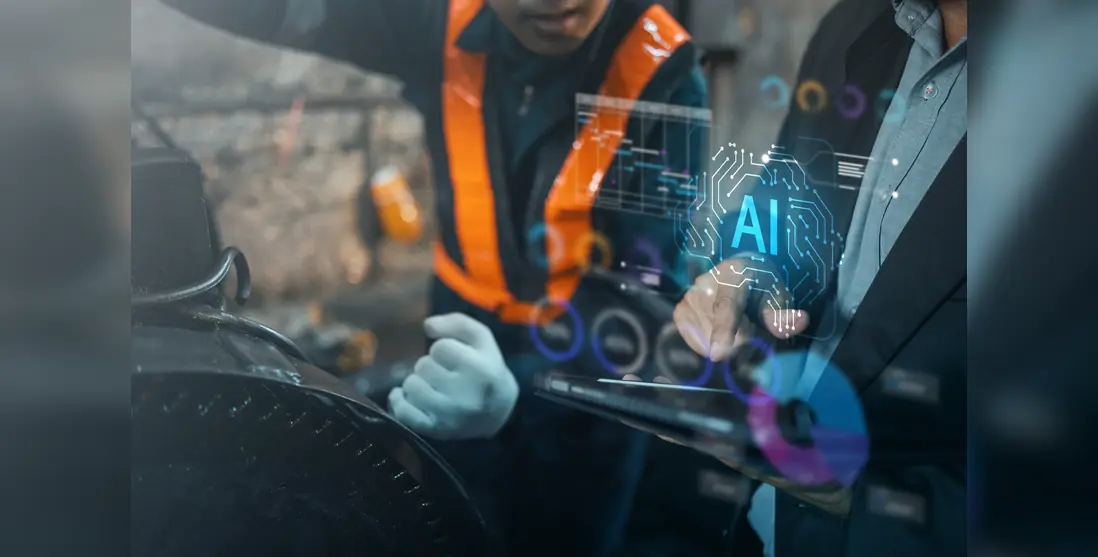
Highlighting the growing role of artificial intelligence in workforce management, Dr. Al Awar said governments can move beyond service automation by using AI to anticipate labour market demands and improve policy decisions.
"Artificial intelligence offers governments a strategic tool enabling them to transition from automating services to anticipating labour market needs, identifying future skills, enhancing compliance, and supporting data-driven decision-making," Dr. Al Awar continued.
He explained that the UAE is increasingly deploying AI-powered solutions to deliver innovative services for workers and businesses while strengthening predictive labour market analysis and improving government responsiveness.
Digital platforms enhance worker protection
Dr. Al Awar also presented the UAE's digital platforms designed to strengthen worker protection through services covering wage protection, occupational health and safety, and labour dispute resolution. These platforms improve transparency while using predictive analytics and smart monitoring to identify workplace risks and support early intervention.
Addressing the evolution of social protection systems, he said, "The social security ecosystem in the UAE continues to evolve to keep pace with the expansion of modern work settings, particularly digital platform work," he said. "By doing so, it can offer greater opportunities for employment, ensure decent work conditions, reinforce fairness, and provide appropriate protection for all workers."
He further highlighted the importance of investing in skills development, noting that the AI-powered UAE Skills platform helps identify future occupations and align education and training programmes with labour market requirements.
BRICS members adopt joint declaration
Dr. Al Awar also expressed appreciation for India's leadership of the BRICS Group and its organisation of the Labour and Employment Ministers' Meeting, emphasising the importance of international cooperation in addressing emerging labour market challenges.
The meeting concluded with member states adopting the Declaration of the BRICS Labour and Employment Ministers' Meeting, reaffirming cooperation in areas including social protection, skills development, women's economic participation and digital transformation across labour markets.
According to Emirates News Agency (WAM), the UAE welcomed the adoption of the declaration and reaffirmed its commitment to working with fellow BRICS members to develop collaborative solutions that promote resilient, inclusive and sustainable labour markets.