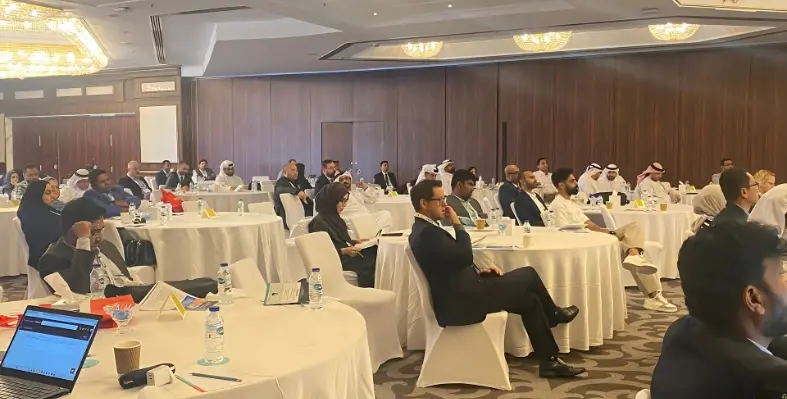
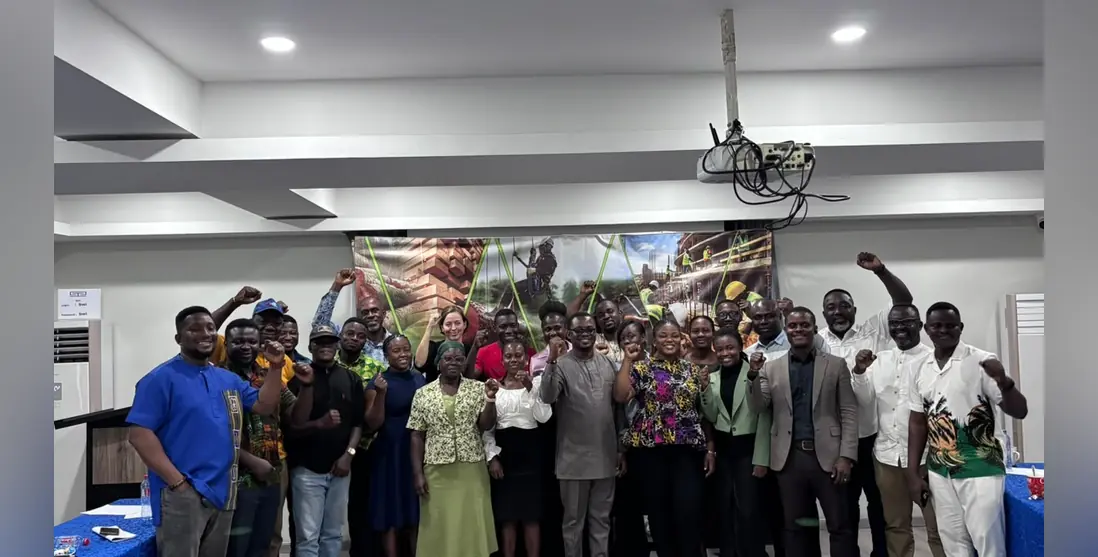
The Building and Wood Workers’ International (BWI) Africa and Middle East, in partnership with Union-to-Union (UtoU) and SBTF, organised a three-day workshop in Ghana to improve trade unions’ ability to strengthen occupational safety and health (OSH) standards in workplaces.
The event, held from 29 September to 1 October 2026, brought together 25 union members, including nine women. The programme focused on equipping unions to organise workers, recognise workplace hazards and prevent risks. Participants also explored ways to engage employers and authorities, negotiate improved OSH protections and lead trade union campaigns promoting safer working environments.
The opening session was conducted by BWI affiliate the Public Utilities Workers’ Union (PUWU), which highlighted the need for practical measures to improve occupational safety and health at work.
OSH expert Chris Abokah outlined the state of workplace safety in Ghana and discussed practical approaches to addressing challenges faced by workers. He stressed that OSH must remain a trade union priority, explaining the importance of identifying hazards that may not appear in official reports and ensuring workers’ concerns inform safety measures.
Enoch Cudjoe from the International Labour Organization (ILO) Ghana discussed occupational safety and health as a fundamental workers’ right. His presentation examined how trade unions can promote safer workplaces and covered relevant international standards, including ILO Conventions 155 and 187.
Linnea Wikström, BWI Global Director for Construction and Health & Safety, explained how international standards can be translated into workplace demands, collective bargaining claims and union-led campaigns.
Practical sessions helped participants develop skills in hazard identification, risk assessment, prevention and workplace incident investigation. The training emphasised the use of evidence, workers’ testimonies and appropriate documentation when examining incidents.
Participants also examined ILO Convention No. 167 and the revised ILO Code of Practice on Safety and Health in Construction. Other topics included risks associated with working at height, excavation, machinery, lifting operations, temporary structures and subcontracted work.
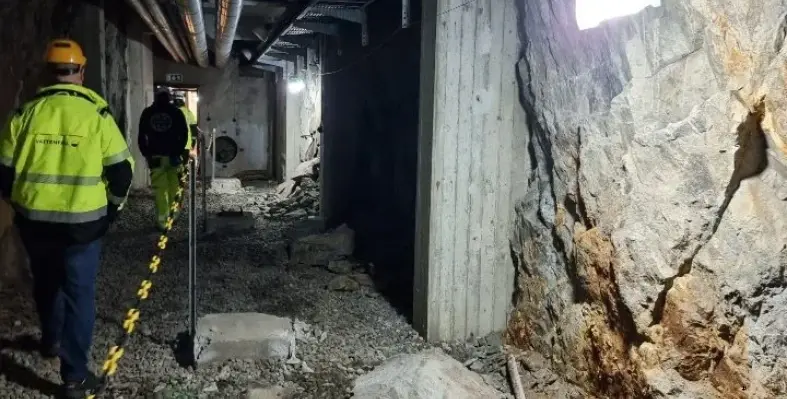
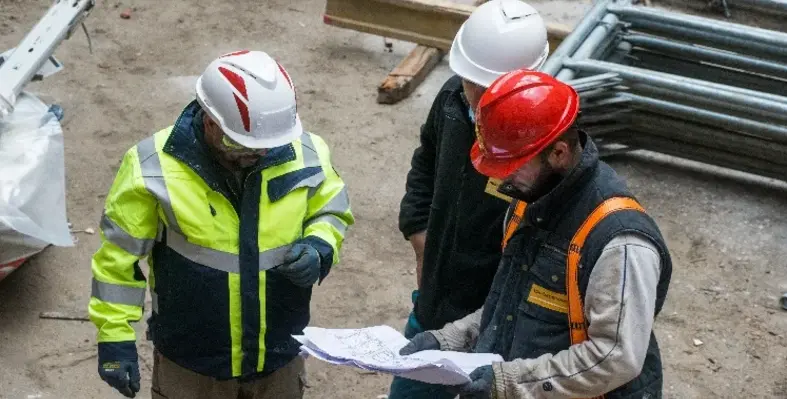
On the second day, participants visited a construction site in Accra to observe safety practices directly and engage with site managers. The visit provided an opportunity to assess workplace conditions and identify areas where safety standards could be improved.
The workshop concluded by reinforcing the principle that safe and healthy work is a fundamental right. It emphasised that effective prevention depends on workers’ knowledge and that workplace protections must extend to all workers, including those employed temporarily or through subcontractors.