DNV and Equinor have introduced a new incident classification framework designed to help organisations improve how they analyse, understand and learn from operational events.
Known as Event Learning Taxonomy CLUE, the new approach aims to move companies away from traditional blame-focused reporting systems by using neutral terminology and a systems-based method for incident analysis. The framework is intended to support stronger organisational learning and improve safety, quality and operational performance across industries including construction, manufacturing, maritime and energy.
Many existing incident reporting systems rely on language that focuses heavily on individual error or failure, which can create hindsight bias and limit broader understanding of the conditions that contribute to incidents. According to DNV and Equinor, the CLUE taxonomy has been developed to encourage more balanced and constructive assessments by examining the wider operational environment rather than assigning direct blame.
The framework simplifies incident analysis by reducing the number of categories used in reporting and replacing the concept of a single “cause” with multiple “contributing factors”. This approach reflects the view that incidents often result from interconnected conditions rather than isolated mistakes.
Unlike conventional systems that primarily focus on failures, the taxonomy can also be used to capture lessons from successful operations and everyday work practices. Developers of the framework said this broader perspective can help organisations gain a more complete understanding of operational risk and resilience.
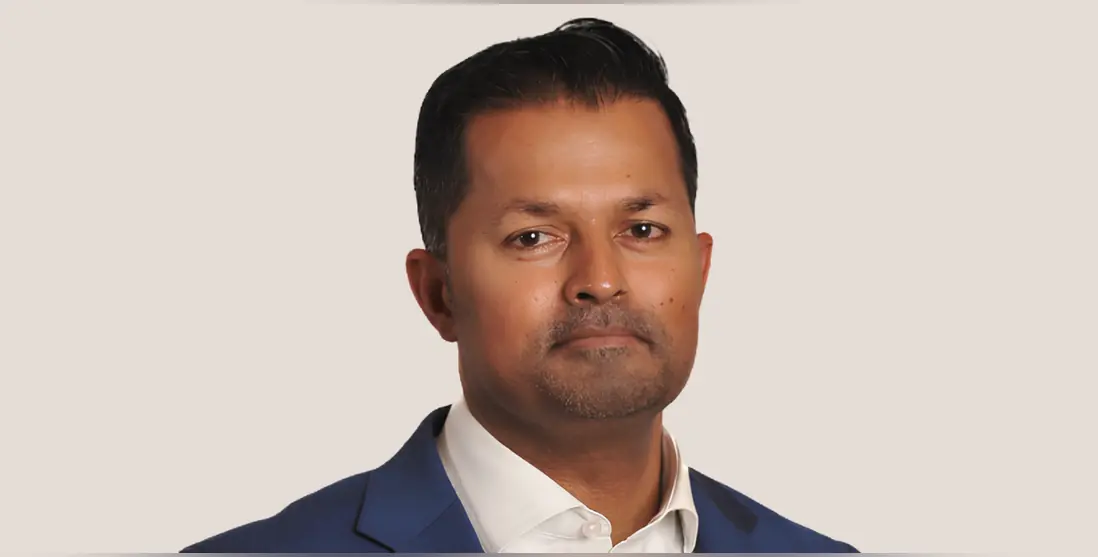
Prajeev Rasiah said effective safety improvement depends on how organisations learn from both routine activities and operational failures.
“Meaningful safety improvement depends on how well organisations learn, not just from failures but from everyday work,” he said. “Event Learning Taxonomy CLUE helps organisations move beyond blame and focus on understanding the conditions that influence performance. That shift enables better decisions, stronger learning, and more resilient operations.”
The framework draws on principles from Human and Organisational Performance (HOP) and Safety-II methodologies, both of which emphasise understanding workplace systems, context and operational variability.
Per Henry Gonsholt said the initiative would support improved organisational learning and more effective safety management.
“For better learning, we need to tell better stories,” he said. “CLUE not only modernises incident analysis but also simplifies it. This will help us get better data, and ultimately better insight into areas that need improvement.”
DNV and Equinor said the initiative is intended to help organisations strengthen operational resilience by encouraging more system-focused learning and reducing reliance on blame-centred incident models.