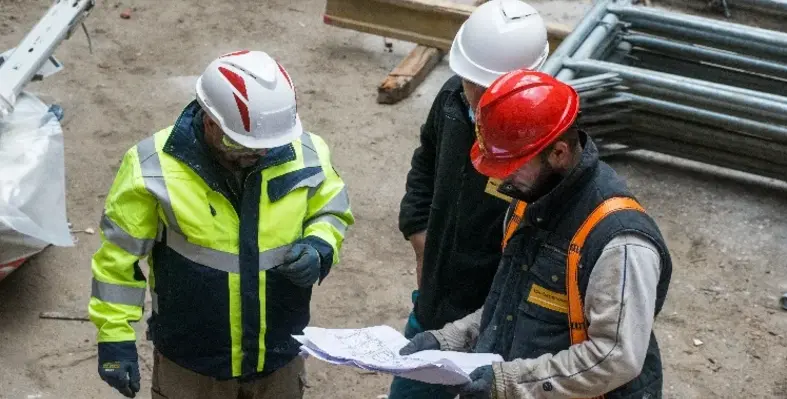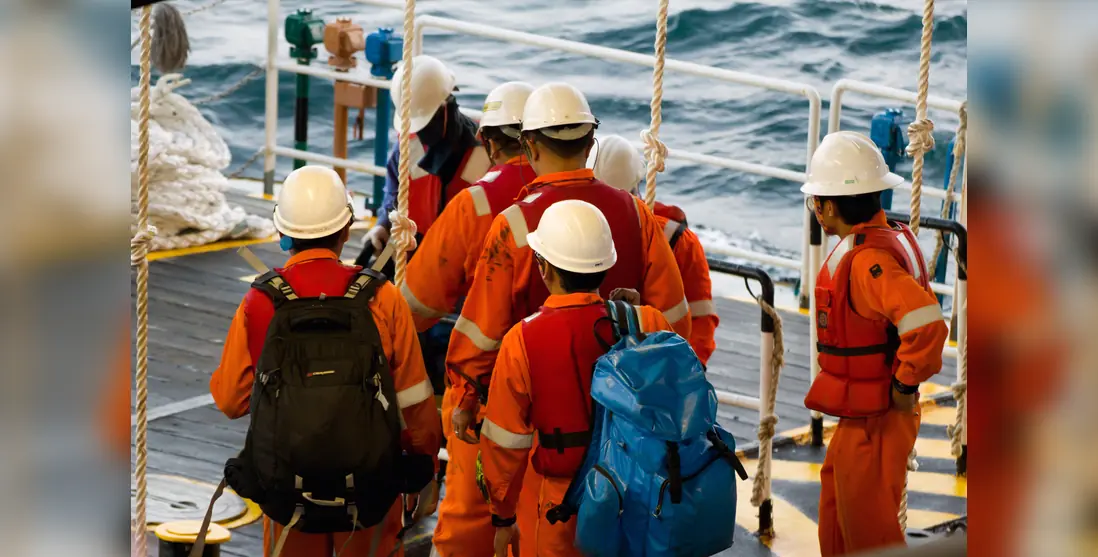

Workers in the oil and gas industry face a range of hazards, from chemical spills to fires, explosions, exposure to toxic gases and dangers posed by heavy machinery
It may come as a surprise then that it vehicle accidents, rather than any of the above that are the main cause of fatalities in the industry, accounting for more than 25% of all worker deaths. Long journeys in remote off-road areas, severe weather, heavy equipment loads, and worker fatigue are among the contributing factors.
Embedding a culture of safe driver behaviour is therefore critical, involving for example, the recognition of the impact of internal and external factors on driver behaviour, including human factors such as fatigue and stress, and identifying coping mechanisms.
It was with this in mind that leading oilfield services company OiLSERV undertook the RoSPA Level 3 International Award for Driver Trainers to develop its in-house driver trainers, to improve road safety in challenging operational environments.
Operating in the Middle East and North Africa region, OILSERV’s personnel often have to drive for long distances across challenging desert terrain and remote areas to reach well sites and operational bases in high-risk environments.
Building a safe driving culture
OiLSERV’s North Africa QHSE manager, Mohamed Nadjib Debabi, said that the company selected the train-the-trainer qualification as the company is looking to build a long-term safe driving culture, not just to improve driver performance.
“Before taking the RoSPA training, the main challenges we faced were related to effectively delivering defensive driving sessions. We wanted to move away from a purely instructional approach and adopt a coaching-based strategy that actively engages drivers, focusing more on driver psychology and how to encourage drivers to develop a safer mindset and make better decisions on the road.
“We also wanted to bridge the gap between teaching defensive driving as a theoretical concept and helping drivers apply those principles in real-life driving situations."
He added that the qualification helped the company to provide coaching and expertise that combine daily operations with defensive driving theory, as well as the ability to teach hazard perception and dynamic risk assessment - not only road rules.
“We chose RoSPA because it is a recognised awarding body and it provides a training package which has more psychological depth than is typically offered by other driver training providers. RoSPA focuses more on the human factors which are the root causes of road accidents in our industry.”
Measurable improvements
Mohamed Nadjib Debabi stressed that the course did not just focus on driving skills but also on the psychology of teaching safety, which was crucial for the company.
"Since completing the qualification, we have delivered the company's defensive driving training with a more robust and engaging approach, leading to measurable improvements in driver competence and safer driving behaviours.”
He added that he would recommend RoSPA because it provides a framework for organisational change as well as training.