Regional Coverage
Regional Coverage
- Details
- Sania Aziz
- Middle East

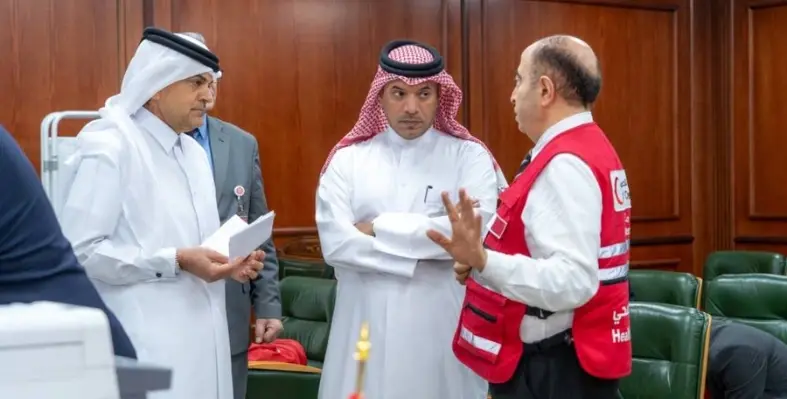
Qatar International Islamic Bank (QIIB) hosted a Health Day for its employees at the Bank’s headquarters, in partnership with Qatar Red Crescent, reinforcing an ongoing collaboration between the two organisations.
Held at the end of December 2025, the initiative aimed to raise awareness about common health issues, promote daily wellness practices, and encourage employees to adopt a sustainable, healthy lifestyle. The event also formed part of QIIB’s broader commitment to enhancing occupational safety standards well into 2026.
Employees from across the Bank’s departments and divisions actively participated in the Health Day, reflecting QIIB’s dedication to fostering a workplace that prioritises public health, prevention, and self-care. The programme included a series of interactive medical screenings designed to increase health awareness and enable employees to take proactive steps towards well-being. Screenings offered during the event included blood pressure checks, blood sugar testing, body mass index (BMI) measurements, and vision assessments, along with specialised health consultations tailored to individual needs. These activities provided employees with a clear understanding of their current health status and practical guidance on improving their lifestyle habits.
Commenting on the initiative, Ali Hamad Al-Mesaifri, Chief of Human Resources and Administration at QIIB, said, “We organised this Health Day because we believe that good health is essential to building a stable and sustainable institution. A healthy employee is better equipped to contribute, innovate, and perform, which in turn enhances overall work quality and the work environment. Our focus on the health and well being of all employees also supports Qatar National Vision 2030, which highlights the importance of health as a key pillar of human development.”
He added, “At QIIB, we are keen to adopt impactful initiatives that raise health awareness and encourage our employees to take care of their daily well-being, not only through medical check-ups, but also by promoting a culture of prevention and supporting a healthy, balanced lifestyle.”
Al-Mesaifri emphasised the significance of the partnership with Qatar Red Crescent, noting, “Our collaboration with Qatar Red Crescent reflects the Bank’s commitment to partnering with leading national institutions known for their extensive expertise. Initiatives like this demonstrate QIIB’s dedication to its social responsibility toward its employees and its ongoing efforts to provide a work environment that supports both physical and mental well-being.”
Concluding his remarks, he said, “We hope this initiative will encourage our employees to take full advantage of the screenings and consultations offered, and to continue prioritizing their health. QIIB remains committed to organizing similar health-focused initiatives that align with our institutional vision.”
Through events such as this Health Day, QIIB continues to reinforce a culture of health, prevention, and employee well-being, integrating these values into its organisational ethos.

- Details
- Middle East
A new research report explores the implications of Saudi Arabia’s artificial intelligence (AI) ambitions and its intersection with the workforce.
The report, by Alexander Ash Consulting and the Saudi British Joint Business Council (SBJBC), highlights how the kingdom is investing over US$100bn to become a global AI leader.
As part of this, Riyadh has secured access to advanced US semiconductors, signed landmark partnerships with the likes of xAI, AMD, Cisco and Qualcomm, and is building 6.6 gigawatts (GW) of data centre capacity.
“Yet the binding constraint on these ambitions is not capital or infrastructure,” the report notes. “It is people.”
As part of the nation’s AI blueprint, this means integrating workforce into long-term planning.
The report examines how the kingdom is now nurturing the workforce required to operate, manage and innovate such AI systems at scale.
It also analyses Saudisation requirements, training programme outcomes, Arabic language AI development, retention challenges and the layered workforce structure needed to translate infrastructure investment into sustainable competitive advantage.
Crucially, the next few years through to 2030 mark a “critical window” ahead, the report suggests.
“The workforce of the future in Saudi Arabia will reflect choices made in the present,” it states.
“Investment in broad-based digital literacy creates a population comfortable with technology. Development of advanced technical specialists enables indigenous innovation. Training of business translators ensures technical capabilities serve commercial and social objectives. Building robust governance frameworks protects against risks whilst enabling experimentation.”
Each of these components contributes to an ecosystem where AI serves national development goals rather than simply generating returns for foreign technology companies, the report adds.
According to World Economic Forum research, AI augmentation increases productivity substantially when implemented thoughtfully, but can reduce quality and employee
satisfaction when poorly executed.
“The difference often lies in how organisations, government and academia manage the human side of implementation rather than technical system design.”

- Details
- Middle East
Saudi Arabia has signed a memorandum of understanding (MoU) aimed at boosting worker rights in the kingdom and in support of a “fair and safe work environment”.
Minister of Human Resources and Social Development, Ahmed Al-Rajhi, and Human Rights Commission (HRC) president, Dr Hala Al-Tuwaijri, signed the agreement in Riyadh in early January, the Saudi Gazette reported, with the aim of promoting and protecting human rights in the kingdom.
“The MoU seeks to support a fair and safe work environment and strengthen organisational practices that comply with national regulations and standards, ensuring justice and transparency for all parties involved in the labour market,” the Saudi Gazette report noted.
No further details of the contents of the agreement were released.
Minister Al-Rajhi and HRC chief Al-Tuwaijri also emphasised that the signing of the deal reflected their shared commitment to unifying national efforts and enhancing institutional cooperation on human and social issues, according to the Saudi Gazette report.
The move underscores the evolution of Saudi Arabia’s labour market ecosystem, as policy, governance and people practices become more integrated in support of long-term strategic and economic goals.
“The agreement aligns with the objectives of Saudi Vision 2030, contributing to the development of the labour market, improving compliance and safeguarding rights through effective regulatory frameworks and approved policies,” the Saudi Gazette report added.
- Details
- madhurima sengupta
- Middle East
As health safety environment (HSE) continues to gain traction in the corporate world, its definition has evolved over time and looks very different today from how it used to be over a decade ago.
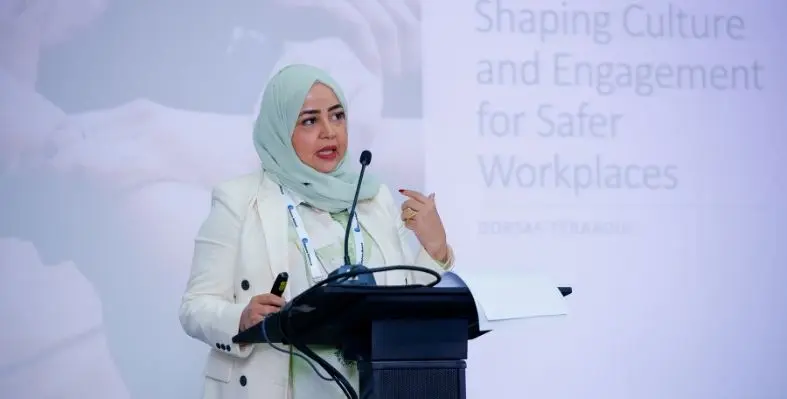
There are still gaps to be addressed, however. And one such grey area was recently addressed at the HSE MENA forum, when Dorsaf Teraaoui, Senior HSE Manager at Dubai Holding Asset Management, highlighted the importance of leadership in HSE.
“A very important quality in leadership is to never be afraid of changing. Leaders must understand that its not about the message but how we say or convey it,” she said.
The ability to influence is what differentiates leaders from managers. HSE specialists aren’t in a position to play the victim. Teraaoui raised questions, asking, “How much are we influencing? We should ask that question to ourselves as well, not only questioning the top management… We should be also having certain qualities as leaders to influence and to make the change happening. And that's why leadership matters in HSE.”
“If we dont have a proper foundation of leaders we wont be able to take decisions and deal with the consequences,” she said.
Teraaoui explained that Dubai Holding Asset Management is part of the Dubai Holding Group that was founded in and operates out of Dubai. Some of its sister brands, such as the Jumeirah Group, went on to expand globally. Malls such as Dragon Mart, Ibn Battuta, Palm Jumeirah and the luxury waterfront living project called Palm Jebel Ali are all associated with the Dubai Holding Group.
The role of Dubai Holding Group’s asset management division thus expands beyond addressing only employee safety, to deal with much bigger numbers, involving visitors, clients, customers and residents.
To foster leadership and safety culture for every stakeholders involved, the organisation pushes the boundaries of training and engagement for just employees. It facilitates HSE conferences in a much bigger scale that also includes its CapEx contractors and fit-out contractors. While they are not direct contractors, and contractors hired by the organisation’s tenants, it still imparts safety awareness for everyone out of moral responsibility. Such addresses are directed to the top management first, as health and safety comes from top to bottom and not the other way round.
Emergency preparedness in malls are addressed through training, and regular inspections are conducted on all retail units and tenants to ensure universal compliance of health and safety standards. These sessions not only address but also ensure practical applications for kids’ safety; the company has engineering controls installed on windows, for instance.
Elaborating on its leadership culture, Teraaoui acknowledged good governance on part of the company’s Group CEO. Each and every asset of the company are taken into account when it comes to risk assessment.
Establishing a case in point, Teraaoui mentioned that following the Nakheel and Dubai Holding Group merger in 2024, as many as 18 HSE critical risks were identified from one of the most prestigious assets. Following assesment, these were brought down to four, and the company continues to work on mitigating all the remaining risks by this year. This remains a time-incentive task also because it is a critical aspect in entering the listing stage, which is currently an important objective for the company.
- Details
- Sania Aziz
- Middle East
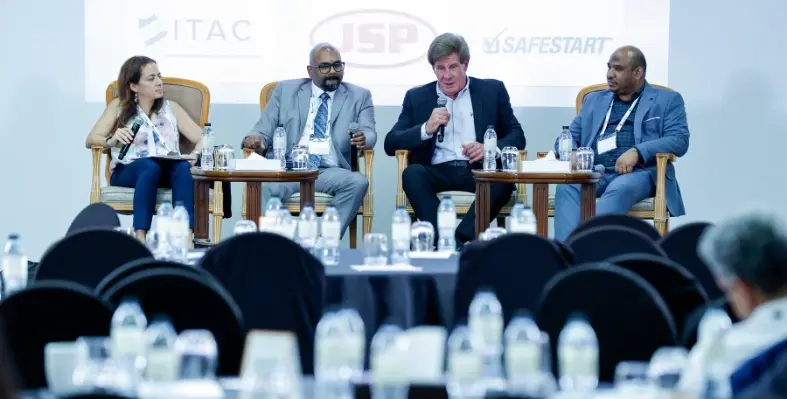
At the HSE MENA 2025 conference, an illuminating panel session brought together distinguished leaders: Larry Wilson (CEO and author of Safe Start), Binu Kalarickan (Director of Permits & Regulations | Permits & Regulations, Government of Ras al Khaimah), Suresh Kumar (CEO, ITAC Safety and Environmental Consultants), and Lara El Saad (Director, Subscribers Development, MENA, Benchmark Gensuite®), to discuss the impact of emerging technologies on Health, Safety, and Environment (HSE) practice.
Lara El Saad opened the discussion by emphasising the importance of approaching technological change in HSE with open minds. She noted that technologies such as artificial intelligence (AI), the Internet of Things (IoT), and predictive analytics are pivotal in moving organisations from reactive to predictive safety management. However, she acknowledged initial fears around privacy and control, urging the audience to focus on the core objective: “to reduce workplace injuries and ensure everyone goes home safely.” This, she asserted, remains the heart of predictive analytics, harnessing data not for surveillance, but for safeguarding lives.
Suresh Kumar highlighted the rapid progression of these technologies within HSE. He observed how organisations increasingly adopt AI and IoT for training, monitoring, and hazard detection, though many still face challenges integrating platforms and ensuring data quality. Suresh also referenced daily examples, such as the use of thermal imaging for hazard identification during the COVID-19 pandemic, and underscored the need for robust user training and awareness programmes to make technological adoption genuinely effective.
Binu Kalarickan addressed the practical challenges and the sociotechnical implications of emerging tools. He noted the expense and market concentration of advanced equipment such as drones, but also pointed out the essential role of reliable, tested technology—particularly in critical applications like emergency wearables. Binu candidly discussed the human adaptability dimension: while technology can enhance oversight, it must not supplant the human responsibility inherent in safety roles, nor should it create complacency.
Larry Wilson brought a pragmatic perspective. He warned that the rush to deploy new technologies can lead to employee apprehension and misuse if organisations neglect piloting, proper training, and honest communication. Drawing from both theory and personal experience, Larry urged for small-scale pilots to “get the kinks out” before wide implementation. He also reminded the audience that technology should amplify, not replace, human judgement and vigilance—a sentiment echoed throughout the session.
In summary, the panel at HSE MENA 2025 agreed: while AI, IoT, wearables, and other advanced technologies hold immense promise, their success relies on planning, pilot testing, education, and, above all, a retained focus on the human element in safety culture.
- Details
- Middle East
- Details
- Middle East
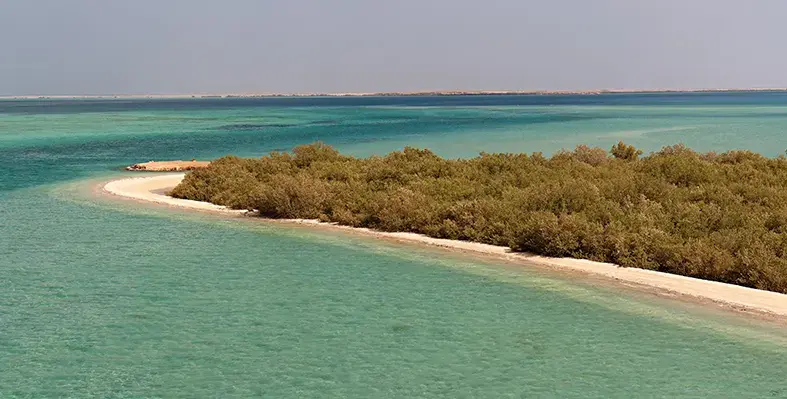
As part of its efforts to develop and regulate coastal tourism, the Saudi Red Sea Authority (SRSA) has issued Beach Operators’ Requirements and Conditions, ensuring organised activity, protection of the marine environment, and visitor safety.
The move comes as Saudi Arabia seeks to massively upgrade its tourism infrastructure and appeal to international visitors.
SRSA said in a statement that the rules mark a “qualitative step” toward activating beaches as key economic enablers and supporting the development of sustainable coastal tourism along the western coast of Saudi Arabia.
The guidelines are the first of their kind in the kingdom, it added.
“These requirements serve as a comprehensive operational and regulatory framework for issuing beach operation licenses,” the SRSA statement noted.
“They define conditions related to security, safety, public health, and environmental protection, establishing a new phase governed by high-quality standards aligned with international best practices and experiences.”
It added that the framework aims to deliver an “optimal beach experience” for visitors and, in the long term, enhance service quality, safety standards, beach sustainability, marine environmental protection, and overall attractiveness.
The requirements are designed to act as an official reference for operators seeking to develop or operate beaches.
This initiative comes as part of the authority's mandate to regulate coastal tourism activities and in fulfilment of its core roles and responsibilities, which include developing policies, strategies, plans, programmes, and initiatives necessary to regulate activities and services, establish controls, rules, and standards and ensure the protection of the marine environment.
The requirements and conditions also cover beach design, development, and construction in accordance with the Saudi Building Code, ensuring compliance with architectural and structural standards.
They further include accessibility requirements for persons with disabilities, adherence to security, safety, and environmental systems, and compliance with the highest quality standards and specifications in line with the Blue Flag eco-label for beaches.
Additionally, the framework outlines the licensing process for beach operation, which includes several key requirements such as: a valid commercial registration, an environmental operating permit, marine zoning and planning approval, a beach safety plan, and an assessment of the beach's carrying capacity.
“Operators are also required to comply with security, safety, and public health obligations, including the separation of swimming areas from other marine activities, provision of essential safety and rescue equipment, installation of clear signage, and the availability of trained lifeguards,” the statement added.
“The requirements further impose strict environmental controls, including the prevention of pollutant discharge, effective waste management, the use of environmentally friendly materials, activation of environmental monitoring mechanisms, and immediate reporting of any environmental incident to preserve ecological balance.”
According to SRSA, the guidelines will enter into force on 31 January, 2026 although existing beach operators will be granted a one-year grace period.
- Details
- Sania Aziz
- Middle East
Saudi Arabia and Bahrain have reaffirmed their close strategic partnership following the fourth meeting of the Saudi-Bahraini Coordination Council, co-chaired by Saudi Crown Prince and Prime Minister Mohammed bin Salman and Bahrain’s Crown Prince and Prime Minister Prince Salman bin Hamad Al Khalifa in Manama.
The meeting was held in line with the directives of Custodian of the Two Holy Mosques King Salman bin Abdulaziz and Bahrain’s King Hamad bin Isa Al Khalifa, underscoring the long-standing political, economic and social ties between the two neighbouring countries. Senior officials and heads of joint committees from both sides attended the session.
At the start of the meeting, Prince Salman bin Hamad welcomed the Saudi Crown Prince, highlighting the strength of bilateral relations and the deep bonds between the two leaderships and peoples. Prince Mohammed bin Salman expressed his pleasure at visiting Bahrain and meeting with King Hamad and the Bahraini Crown Prince, stressing King Salman’s continued support for strengthening cooperation and expanding joint action across a wide range of sectors.
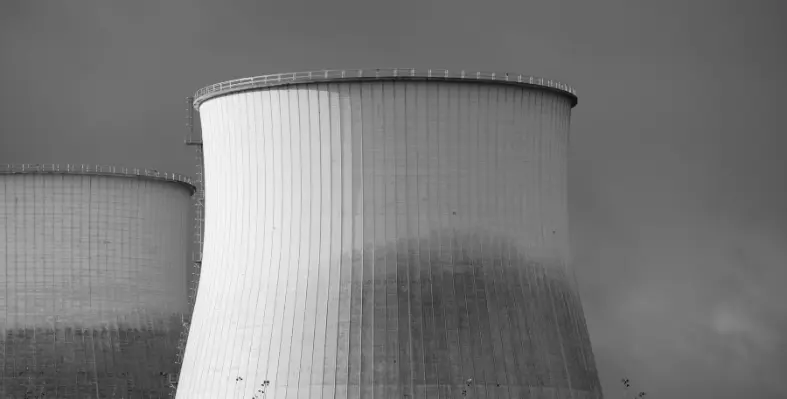
The meeting was marked by the signing of a series of agreements and memoranda of understanding aimed at deepening collaboration in key strategic areas. These included an MoU on nuclear safety and radiation protection between Saudi Arabia’s Nuclear and Radiological Regulatory Commission and Bahrain’s Supreme Council for Environment, as well as a cooperation programme between the two countries’ diplomatic studies institutes.
Economic cooperation featured prominently, with agreements signed on the avoidance of double taxation, the promotion and protection of competition, sustainable development cooperation, and the promotion of direct investment. Additional MoUs were concluded covering rail transport cooperation, higher education partnerships between King Saud University and the University of Bahrain, and collaboration in developing the non-profit sector.
Together, the agreements reflect a broad and integrated approach to bilateral cooperation, spanning energy, environment, education, transport, investment, diplomacy and social development. They also align with both countries’ national development priorities and long-term economic diversification strategies.
At the conclusion of the meeting, Crown Prince Mohammed bin Salman thanked Prince Salman bin Hamad for the warm reception and the effective organisation of the council session, praising the constructive outcomes achieved. Both sides reaffirmed their commitment to advancing the distinguished Saudi-Bahraini partnership and expressed their shared aspirations for continued security, stability and prosperity.
The two leaderships also extended their appreciation to committee members, the Executive Committee, the General Secretariat and working groups for their efforts in supporting the council’s work. It was agreed that the fifth meeting of the Saudi-Bahraini Coordination Council will be held in Saudi Arabia, with the date to be determined by the council’s general secretariat.

- Details
- Sania Aziz
- Middle East
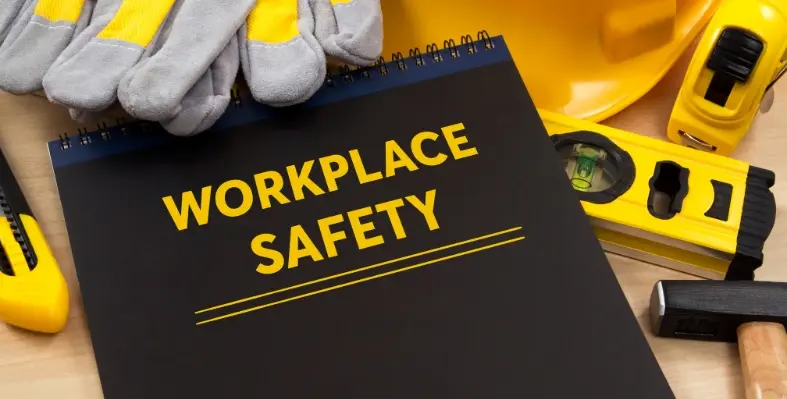
Saudi Arabia has introduced a new health screening mandate that significantly expands requirements for employee fitness examinations, as part of wider efforts to strengthen workplace health and safety.
The Regulation for Occupational Fitness Examinations and Non-Communicable Disease Screening came into force earlier this year and requires employers to provide both physical and psychological examinations for all new hires, as well as for many existing employees.
The regulation is designed to improve overall employee health, reduce occupational health risks and ensure workers are medically and psychologically fit to perform their roles.
Under the new framework, occupational fitness examinations must be carried out before employment begins for all new employees. Employers are also required to arrange examinations during employment in specific situations, including after a work-related accident, when an employee returns from extended sick leave, or when changes occur in the working environment or new equipment is introduced.
Employees in high-risk professions must undergo periodic assessments, with the frequency determined by the nature of their work, while examinations are also required after the end of employment for workers who may have been exposed to hazardous materials.
In addition to standard medical checks, the regulation stipulates that fitness assessments should include psychological evaluations, screening for chronic diseases and, where necessary, additional specialised tests linked to the employee’s occupation. These measures reflect a broader focus on non-communicable diseases and mental wellbeing as part of occupational health management.
The regulation also places new obligations on employers where an employee’s capacity to continue in their current role has declined. In such cases, employers are required to support continued employment by offering alternative duties, facilitating rehabilitation, or making adjustments to working hours and conditions, rather than terminating employment outright.
For employers, the changes mean policies and procedures will need to be reviewed to ensure compliance. The regulation expands existing medical examination requirements for foreign workers, who make up the majority of the private-sector workforce, beyond the pre-employment checks already required as part of the work visa process.
Periodic medical examinations have long applied to certain high-risk occupations, and government data indicates that 32% of private-sector employees underwent such assessments in 2024.
The new mandate signals Saudi Arabia’s intent to embed preventive healthcare more deeply into workplace safety systems, aligning employee wellbeing with broader occupational health and safety objectives.
- Details
- Sania Aziz
- Europe
Polish occupational health and safety (OHS) professionals are increasingly expected to combine traditional safety duties with environmental protection skills, according to a new study published in Nature.
The research analysed the evolving requirements of the labour market for OHS service employees in Poland, with a particular focus on competencies in environmental protection and sustainable development.
The study used a combination of literature review, job offer analysis, and an anonymous survey of 428 OHS employees across 18 industries, including mining, construction, and manufacturing.
Researchers found a clear disconnect between employer expectations and the tasks actually performed by OHS professionals. While strategic EU frameworks, such as the 2021–2027 OSH Strategic Framework and the European Green Deal, emphasise integrating health and safety with environmental and sustainability goals, Polish OHS employees reported only occasional engagement with environmental tasks.
Survey results revealed that over 71% of respondents did not handle waste management duties, and more than 73% considered their positions too responsible to combine with environmental protection work. Even in mining, where safety risks are particularly high, fewer than 27% of employees reported involvement in environmental reporting or compliance. Responses indicated that additional responsibilities, including fire protection, administration, and occupational medicine, were often assigned without adjusting workloads.
The research highlights a generational and organisational gap: employees with less than a year of experience were more open to combining OHS and environmental duties, while acceptance declined with seniority. Smaller workplaces also showed slightly higher willingness to integrate these responsibilities.
Based on these findings, the authors recommend expanding environmental education and training for OHS professionals, raising awareness of sustainable development across all employees, and introducing clearer legal frameworks defining the scope of combined OHS and environmental duties. They argue that aligning occupational safety with environmental protection is crucial not only for regulatory compliance but also for improving worker well-being and organisational sustainability.
The study represents the first empirical analysis of OHS and environmental competency integration in Poland, filling a research gap and providing a foundation for future legislative and policy developments. Researchers suggest extending comparative studies across EU countries to better understand the international scope of these challenges and to inform strategies for combining occupational safety and environmental responsibilities effectively.

- Details
- Sania Aziz
- Middle East
At a recent session at the HSE MENA 2025, anticipation grew as Islam Adra, Vice President of Health, Safety, and Environment (HSE) at DP World, took the stage.
An accomplished leader who has worked for several Fortune and FTSE 100 companies, he currently steers the safety agenda at one of the world's largest logistics companies.
Adra's session offered the latest, evidence-based insights into leadership within HSE, a theme central to his illustrious career and recent doctoral research.
The heart of Adra’s introduction lay in sharing his professional journey. As a newly minted PhD, former Chair of IOSH in the Middle East (2019–2020), and a seasoned educator and advocate, Adra has been unwavering in his mission to elevate standards and promote a culture of care across industries.
His philosophy, encapsulated in the “Care to Lead” programme, is rooted in the conviction that effective leadership in safety is as much about empathy and advocacy as it is about regulation and compliance. For Adra, promoting HSE isn’t merely a job role; it is a calling, driven by humility and a deep commitment to safeguarding lives and wellbeing within challenging environments.
In a move designed to both engage and challenge, Adra introduced a riddle to the audience, posing a sequence of numbers and inviting the room to guess the next in line. This interactive moment was not merely a test of wit, but an invitation to collaborative thinking, underlining the importance of collective intelligence in solving complex safety challenges. With humour and encouragement, Adra created a space that promoted participation and sharpness of mind, qualities that are indispensable in safety leadership.
While the session promised to unveil ground-breaking research and practical insights, Adra’s introduction reflected the enduring qualities of effective HSE leaders: expertise, adaptability, and an unwavering focus on not just rules but on people. In a world where safety challenges evolve rapidly, leaders like Islam Adra are guiding the frontier with knowledge, humanity, and a vision that genuinely cares to lead.
- Details
- Sania Aziz
- Middle East
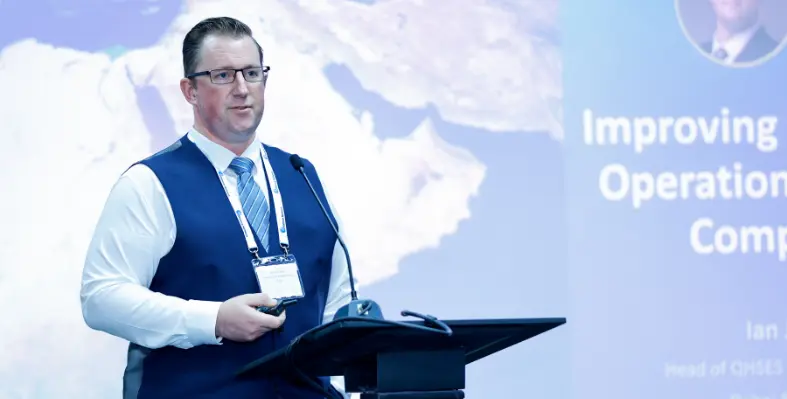
In a thought-provoking presentation at the HSE MENA 2025 conference, Ian Welsh, Head of QHSES and Special Projects, laid out a vision for improving operational Health, Safety, and Environment (HSE) compliance across the MENA region.
Drawing on his decade-long career in Australian construction, followed by years of leadership in the United Arab Emirates, Ian emphasised the critical need for authentic leadership and tailored coaching in the quest to elevate safety standards in a rapidly developing environment.
Ian began by underscoring an oft-overlooked truth: everyone in the field – regardless of title – plays the role of a health and safety leader. The challenge, he argued, lies not just in adhering to technical standards, but in influencing a diverse workforce, much of which arrives from neighbouring countries with minimal HSE exposure. Rather than adopting a punitive approach, Ian called for empathy and cultural understanding, highlighting that many workers are adapting to higher safety standards for the first time.
Central to his strategy was a three-pronged approach: coaching HSE staff, fostering meaningful engagement with the workforce, and ensuring operational practicality. Ian’s method moves away from mere instruction and compliance. Instead, he champions authentic leadership that is present, empathetic, and invested in the growth and effectiveness of HSE professionals. “If a craftsman wants to do good work, he must first sharpen his tools,” he quoted, reinforcing the need for continuous development of the people on the ground.
A significant portion of Ian’s remarks reflected findings from his recent MBA research dissertation, which surveyed and interviewed HSE professionals across the region. He identified a pronounced gap: while HSE managers and officers understand their technical duties, they often struggle to align these tasks with broader corporate objectives. Moreover, most operational HSE professionals lack access to strategic leadership and effective coaching, leaving them isolated in demanding environments.
Ian’s answer lies in servant leadership, a model where leaders support and develop their teams by example, providing individualised guidance and public recognition for achievements. He highlighted the importance of adapting safety practices to operational realities, especially in fast-paced sectors such as construction and event management. “A safe running project,” he remarked, “is a fast-moving project.”
The ripple effect of such leadership, Ian argued, extends well beyond immediate teams. By empowering HSE professionals and engaging workforces respectfully, companies elevate not only internal standards but contribute to the regional adoption of best practices. Ian closed by urging continued dialogue and feedback, inviting attendees to participate in an anonymous survey to share their perspectives, thus fostering an ongoing culture of improvement in MENA’s HSE landscape.