Regional Coverage
Regional Coverage

- Details
- Louise Waters
- Middle East

ADNOC, Technology Innovation Institute (TII) and ASPIRE, have launched a pilot project to test and deploy coordinated drone fleets for rapid aerial disaster monitoring, in a move toward integrating autonomous systems into live emergency operations
Under the agreement, signed during Abu Dhabi Autonomous Week 2025, TII working in partnership with ADNOC and supported by ASPIRE, will pioneer a system that provides ADNOC’s Crisis Management Center with real-time aerial intelligence during emergency situations. The initiative integrates autonomous, long-range, and swarm-based drone operations into one unified framework.
Drones stationed at ADNOC sites will be able to take off and stream live video directly to headquarters. Wider monitoring and long-range incident response will be handled by long-range autonomous drones launched from ADNOC’s network of unmanned aerial vehicle (UAV) hubs as well as smaller drones, linked back to ADNOC’s headquarters, enabling coverage across the country. In the event of large-scale incidents, fleets of autonomous drones can also be rapidly deployed via a mothership to scan extensive areas within a matter of minutes searching for stranded people and offering them connectivity and informational support.
By combining these capabilities, the project will allow ADNOC to reduce response times, increase situational awareness and minimise risk to frontline personnel. The collaboration could transform how critical infrastructure operators across the UAE and beyond safeguard their people and assets.
“Emergencies demand speed and clarity, and this collaboration is about delivering both. By combining ADNOC’s operational expertise with ARRC’s advanced robotics, we are showing how coordinated drone systems can provide immediate, actionable insights when they matter most. For Abu Dhabi, this is not just a pilot; it is an example of how applied R&D can turn deep tech into life-saving solutions that redefine resilience in critical industries,” said Andrew Strefford, executive director at ASPIRE.
“What we are building with ADNOC is a coordinated, multi-layered system that integrates autonomous, long-range, and swarm operations into one seamless framework. By plugging directly into ADNOC’s Crisis Management Center, we are validating technologies that could be scaled across the wider energy and utilities sectors,” said Prof. Enrico Natalizio, chief researcher of TII’s Autonomous Robotics Research Center.
“ADNOC continues to leverage advanced technologies including drones and robotics to enhance the safety and efficiency of our people and operations. Through this partnership with TII and ASPIRE, we will explore how coordinated drone fleets can be deployed to provide real-time intelligence across our value chain and better protect our people and assets,” said Khaled Alblooshi- vice president, Digital Projects and innovations, ADNOC.
- Details
- Sania Aziz
- Europe
SHOWA has introduced ChemRest CC700, a new glove developed to solve a long-standing safety challenge in high-risk sectors: achieving dependable chemical resistance and strong cut protection without sacrificing dexterity.
Workers in industries including mining, chemicals, oil and gas, and heavy construction are routinely exposed to sharp edges and hazardous liquids. Until now, employers have typically faced a trade off between thick chemical resistant gloves that restrict movement or lighter cut resistant gloves that fail to provide sufficient protection from liquids. CC700 has been engineered specifically to eliminate this limitation.
The glove features an 18 gauge seamless HPPE knit liner that delivers a close, flexible fit. This is paired with a double dipped nitrile coating and a rough textured palm that enhances grip in oily or wet environments. The design improves durability, control and comfort while helping reduce the hand fatigue that often results from wearing chemical protective gloves for long periods.
ChemRest CC700 is certified to EN 388:2016 cut protection at Level E (ANSI A5) and EN 374 1:2016 Type A chemical resistance. This makes it a genuine dual protection solution for today’s demanding workplaces. Safety is further supported by an orange indicator yarn embedded in the liner, which makes damage or wear visible more quickly.
“Employers have long faced the dilemma of protecting their teams against both chemical and cut hazards without forcing them to compromise on performance,” said Tony Lynch, Vice President EMEA & USA, SHOWA. “ChemRest CC700 is the first glove in its class to deliver robust protection on both fronts while maintaining the dexterity needed for precise tasks. It not only improves safety but also simplifies PPE selection and inventory management for our customers.”
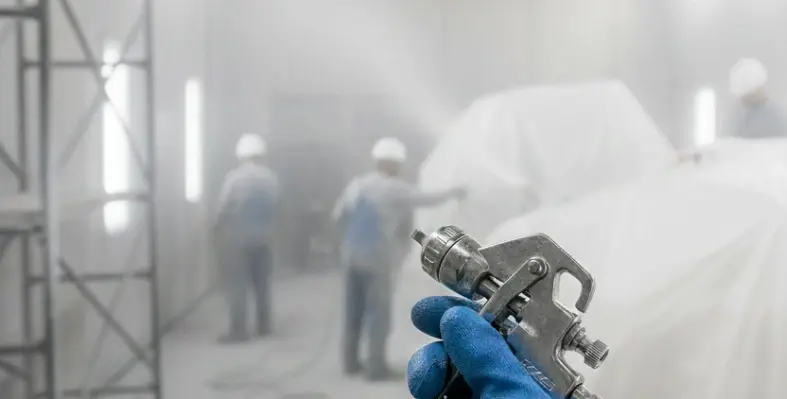
By removing the need for multiple glove types on site, CC700 helps streamline PPE training and reduces the risk of workers selecting the wrong protection in fast paced environments. Available in sizes from S to XXL, it has been developed with diverse workforces in mind and is suited to mineral handling, chemical treatment, painting, spray workshops and drilling tasks.
The launch of CC700 reinforces SHOWA’s standing as an innovator in industrial hand protection. By integrating advanced cut resistant yarns with proven chemical barrier technologies, the company continues to push safety standards forward for high risk industries.
- Details
- Louise Waters
- North America
Sherwin-Williams Protective & Marine has won two energy industry awards for its next-generation industrial thermal insulative system Heat-Flex Advanced Energy Barrier (AEB), which not only offers excellent thermal efficiency but also eliminates costly and dangerous corrosion under insulation (CUI)
They include a 2025 Gulf Energy Information Excellence Award for Best Coating/Corrosion Advancement Technology and a 2025 Vaaler Award from Chemical Processing. The Gulf Energy Information Excellence Awards recognise the energy industry’s leading innovations and thought leaders, while the Vaaler Awards, established more than 50 years ago by Chemical Processing, recognise products and services that dramatically improve the operations and economics of chemical processing plants.
Heat-Flex AEB works by building a thick film of highly insulative material on to assets required to maintain operating temperatures up to 350°F (177°C), with excursions to 400°F (204°C). The thermal insulative system retains process heat inside the applied assets, allowing them to continue operating even in extreme environments. It also reduces burn risk for employees working in close proximity to hot assets.
The thermal insulative system rivals the in-service thermal performance of traditional mineral-based insulation systems, due to their tendency to absorb and trap moisture that infiltrates their exterior cladding. This moisture dramatically reduces the insulating capacity of the insulation and contributes to the acceleration of CUI. Heat-Flex AEB maintains thermal consistency and will remain at that same level of insulating capacity throughout its service life.
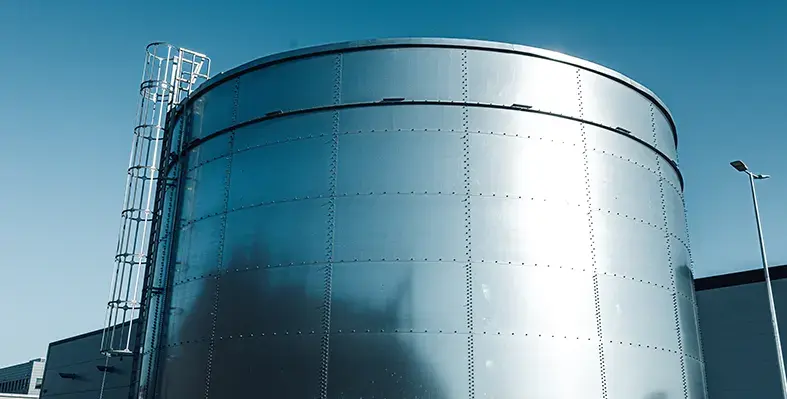
“We engineered Heat-Flex AEB to replace the bulky mineral-based insulation that’s traditionally used on storage tanks, process vessels, valves, fittings and piping to retain process heat,” said Neil Wilds, global product director, CUI/Testing, Sherwin-Williams Protective & Marine.
“This replacement thereby removes the corrosion zone between traditional insulation and the substrate, eliminating the potential for CUI to form by default. Winning two big industry awards for the technology is a testament to the system’s ability to reduce costs associated with corrosion, improve carbon footprints and enhance efficiencies for operators in the energy industry.”
Traci Purdum, editor-in-chief of Chemical Processing said Sherwin Williams’ Heat-Flex AEB thermal insulative system “represents the kind of breakthrough thinking that not only solves today’s operational challenges but also sets new standards for safety, efficiency and sustainability in chemical processing.”

- Details
- Sania Aziz
- Middle East
UAE's Ministry of Human Resources and Emiratisation (MoHRE) has outlined five essential safety requirements that all workers must follow at job sites, stressing that adherence to protective measures is not simply procedural but a critical necessity to safeguard workers and those around them.
MoHRE stated that workers must wear a helmet, safety vest, protective footwear, safety goggles, and ear protection against noise, according to a report by Gulf News.
These requirements form part of an integrated occupational health and safety framework aligned with Federal Decree-Law No. 33 of 2021 regulating labour relations, its executive regulations, and related ministerial decisions. The law also sets out a full range of preventive measures to be implemented at workplaces and labour accommodations.
MoHRE emphasised that the UAE places strong importance on creating a safe and attractive work environment, supported by proactive legislation governing workplace safety and labour accommodation. “Occupational health and safety is a top priority for the ministry, which strictly enforces the law against any violations,” MoHRE said, highlighting initiatives such as the Wage Protection System, which safeguards workers’ rights and ensures timely salary payments. The ministry added that strengthening health and safety practices enhances the UAE’s global competitiveness, boosts productivity, and supports a stable skilled workforce that drives economic growth.
Key safety rules
The report noted that MoHRE has identified four official channels for reporting occupational safety violations: the call centre (600590000), the MoHRE smart application, the official website, and the ministry’s verified social media platforms.
The Occupational Health and Safety Manual requires employers to provide appropriate protective equipment to prevent work-related injuries, illnesses, and fire hazards, and to comply with all preventive measures issued by the ministry. Companies must display detailed safety instructions in Arabic and other languages where necessary, in visible areas of the workplace, along with warning signs near hazardous locations.
Employers must also appoint qualified first-aid supervisors, maintain fully equipped first-aid kits, and ensure adequate fire prevention and firefighting tools suitable for their operations. They are required to regularly assess workplace conditions to ensure sufficient protection for workers and take practical steps to reduce or eliminate risks.
The guidelines further highlight precautions against falling objects, sharp tools, high temperatures, flammable materials, compressed gases, and electrical hazards.
- Details
- Sania Aziz
- Middle East
Penta Global, a leading player in the energy and construction sectors based in Abu Dhabi, is taking a pioneering stance on the mental health and well-being of blue-collar workers, an area that has long been overlooked in the industry.
Under the stewardship of executive director Sujay Nair, the company has made decisive moves to place people at the heart of its operations, urging the broader sector to move beyond compliance into genuine care for workforce welfare.
Traditionally, the focus within construction has been on health, safety, and environmental compliance, which are essentials for industry accreditation and operational soundness.
However, as Nair notes, there is still a considerable gap when it comes to mental well-being.
Sparked by thought leadership at a British Safety Council event, Nair and his team recognised this imbalance and responded by commissioning a comprehensive report on mental health in the construction sector, particularly concerning blue-collar workers.
The research process was revealing. Penta Global discovered significant data concerning the mental health of workers in the UAE, which were mostly collected via major firms and government-driven initiatives.
Over the past three years, the UAE government has enacted policies specifically focused on mental health, providing a strong foundation, but there remains much to build upon.
To bring attention to their findings and to inspire collaborative industry action, Penta Global hosted a roundtable during ADIPEC this year.
The session brought together stakeholders from leading organisations, government entities, and multinational firms.
Surprisingly, it emerged that while individual companies were implementing well-being programmes, there was little cross-industry communication or centralisation of best practices.
“We haven’t got that communication to have a centralised kind of policy which addresses these issues,” Nair observed, underscoring the need for a coordinated approach.
A collaborative approach
Beyond research and dialogue, Penta Global brought creativity to advocacy through their event booth, which featured a punching bag competition.
For every punch, the company pledged a donation to a local mental health initiative, blending fun physical activity with vital fundraising and awareness.
This approach speaks to the company’s ethos of focusing not only on compliance but also on positive engagement and long-term change.
Physical activity, notes Nair, is well-proven to enhance mental well-being, and this tie-in made the abstract more accessible and actionable.
The challenges are multifaceted. There are deeply rooted stigmas, language barriers, and fears of job security that deter workers from voicing concerns.
Nair stresses the need for education and open conversations, suggesting that integrating mental health into routine “toolbox talks” could be one practical step forward.
“If we can come together as an industry,” Nair asserts, “we can really drive meaningful change. And I think that’s the most important thing that came out [from the roundtable discussion].”
Looking ahead, Penta Global plans to share the outcomes of their roundtable widely and continue engaging with both industry leaders and social enterprises.
The goal is to drive policy toward preventative approaches rather than reactive ones, making mental health a shared responsibility.
By leading these efforts, Penta Global not only enhances its own culture but also sets a precedent for the entire sector to follow.
- Details
- Louise Waters
- Middle East
- Date: 12th December 2025
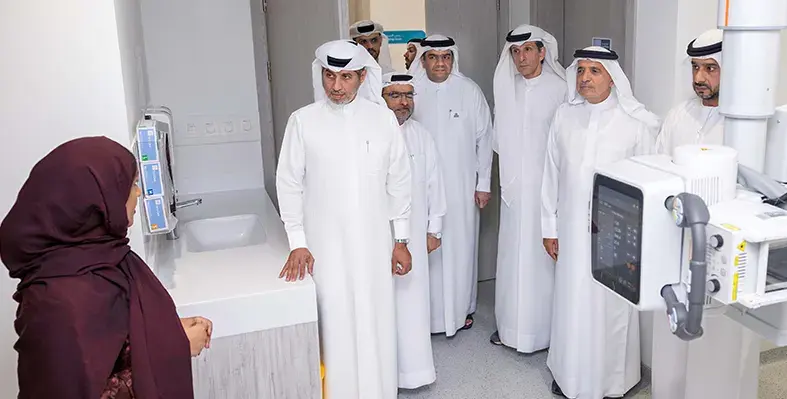
ENOC Group has opened a new ENOC Medical Fitness and Occupational Health Services Centre (EOHSC) in Jebel Ali, in collaboration with Dubai Health, to support the health and wellbeing of its employees and the local industrial sector
The new centre will deliver advanced medical fitness and occupational health screenings across the Group. The range of occupational health services offered includes pre-employment medical examinations, periodic health assessments, medical surveillance programmes for workplace hazards, vaccinations, health screenings, and wellness initiatives tailored to industrial workforce requirements. The Centre will also serve as a hub for visa-related medical services, facilitating the streamlining of administrative processes for employees across the sector.
Hussain Sultan Lootah, acting CEO at ENOC Group, said, “The launch of the new ENOC Medical Fitness and Occupational Health Services Centre underscores our unwavering commitment to the health, safety, and well-being of all our employees, as we strive for a productive, healthy, safe and secure work environment for all. The collaboration with Dubai Health reinforces our shared vision of creating safer, healthier work environments for both ENOC employees and the wider industrial community in Jebel Ali, aligning with Dubai's commitment to workplace safety.”
Khalifa Baqer, chief operations officer at Dubai Health, added, “The new Medical Fitness and Occupational Health Services Centre represents collaboration across Dubai’s sectors and reflects our vision of fostering healthier communities through preventive and diagnostic care. This partnership supports the well-being of the workforce in vital industries, enhances their quality of life and productivity, and demonstrates our commitment to building an integrated healthcare system that advances health for humanity.
“We look forward to this clinic playing an active role in contributing to a safe and sustainable work environment for the workforce in Jebel Ali.”
- Details
- Sania Aziz
- North America
The Voluntary Protection Programs Participants’ Association (VPPPA) has announced the renewal of its strategic partnership with Clear Audit Management (CAM), a digital audit platform that helps current and prospective VPP sites enhance, standardise, and modernise processes related to OSHA’s Voluntary Protection Program.
Through this partnership, VPPPA members will gain access to exclusive resources, insights, and special offers designed to support their safety and compliance goals, including discounted access to the CAM platform.
By utilising CAM’s audit management system, members can streamline internal safety audits, identify potential hazards more efficiently, and drive continuous improvement across both VPP and non-VPP sites.
“This renewal represents momentum,” said Kristen Denney, director of strategy at Clear Audit Management. “We’ve built a strong foundation, and now we’re ready to increase our impact through our technology that streamlines compliance and promotes continuous improvement for active VPP sites, those preparing to apply to the programme, and supporting sites through their Journey Towards Safety Excellence.”
“This partnership renewal between VPPPA and Clear Audit Management reaffirms the shared vision of advancing health and safety excellence through making the audit process—a critical component of continuous improvement—more efficient for both sites and auditors alike,” said Chris Williams, VPPPA executive director. “This allows us to continue our mission to raise the standard for workplace safety and health excellence across the country.”
- Details
- Matthew Hayhoe
- Middle East
- Date: 12th December 2025
Tela, an agentic AI assistant, will be embedded across the SLB software and platform, automating select processes by applying a five-step process
That five-step agentic AI loop is built around five key processes: observation, planning, generation, action, and learning. Tela agents will be able to adapt to new data to improve efficiency outcomes in a vast number of use cases, from well log interpretation to drill issue prediction.
Rakesh Jaggi, SLB's president, digital and integration, introduced the new tool. "Technology like Tela marks a paradigm shift in how AI supports the energy industry, from subsurface to operations. Today, the industry faces a dual challenge: a leaner workforce and increased technical complexity, and Tela can address both.
"Tela doesn’t just automate tasks — it can understand goals, make decisions and take action. It’s the convergence of 100 years of domain science and cutting-edge digital technology, amplifying human ingenuity and redefining how work gets done."
Tela is now deployable across SLB software applications and platforms.
- Details
- shivani dhruv
- Europe
- Date: 12th December 2025
Responding to the evolving needs of workers and ensuring they have the right tools for their jobsite continues to inspire innovation at MSA Safety, Inc..
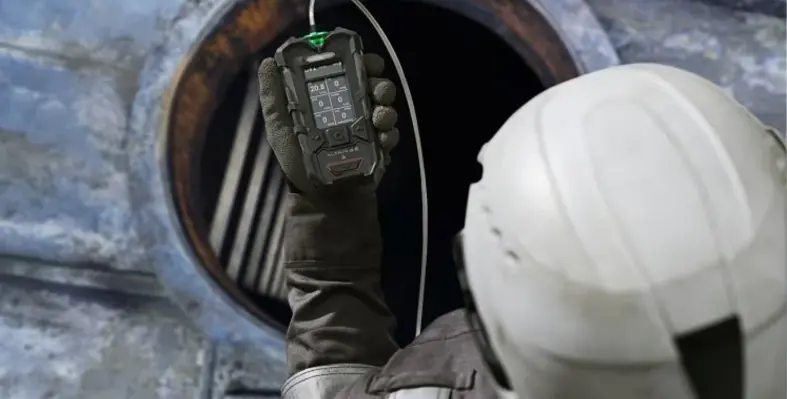
This week, the global safety equipment leader unveiled its latest detection solution, the ALTAIR io 6 Multigas Detector, making its European debut at the 2025 A+A International Trade Fair & Congress (A+A) in Düsseldorf, Germany.
The ALTAIR io 6 Multigas Detector will become the newest addition to the MSA Connected Work Platform. Designed for confined space monitoring and sampling applications, this six-gas detector is MSA’s first cellular-connected device featuring an integrated pump. Compact and versatile, it includes MSA’s XCell sensors, a large, highly visible screen, and a removable, rechargeable external battery, making it suitable for both handheld use and wearable operation.
Joining the ALTAIR io 4 Gas Detection Wearable on the Connected Work Platform, the new device expands MSA’s connected safety ecosystem. While the ALTAIR io 4 serves as a personal, continuous monitoring device, the ALTAIR io 6 is designed for sampling confined spaces and pre-entry checks on job sites. Both detectors are widely used in the construction, manufacturing, oil and gas, and utilities sectors.
Sharing similar technology, both detectors offer the same intuitive interface and are powered by MSA Grid software, enabling seamless integration within a fleet of gas monitors. This connected framework provides a powerful digital safety ecosystem, enhancing real-time worksite monitoring and safety management. MSA Grid delivers live device location and alert data, along with instant access to individual or fleet-wide information. The ALTAIR io 6 is expected to be available for order in early 2026.
“Our focus is on helping to keep workers safe by developing innovative safety solutions so our customers can enhance protection, compliance, and efficiency,” said Dave Howells, president of MSA International. “By featuring our Connected Work Platform and broad range of industrial safety solutions, we’ll give A+A attendees a hands-on experience to learn more about how MSA is using technology and data to help make it easier for workers to have the best solution for their job.”
At A+A 2025, attendees will have the opportunity to interact with MSA product experts across key safety domains, including fall protection, head protection, respiratory protection, and detection monitoring solutions. Featured products on display include:
* V-Series Harnesses – Built for comfort, flexibility, and easy adjustment, these harnesses are engineered to better contour the body and help workers stay focused on their tasks.
* MSA Latchways Lifeline Systems – Innovative safety systems offering maximum mobility for workers on rooftops or within indoor facilities.
* V-Gard Safety Helmets and Protective Caps – Customisable head protection solutions listed in the CIOB #PPEthatfits Directory of Inclusive PPE for diverse workers.
* MSA M1 Self-Contained Breathing Apparatus (SCBA) – Engineered for industrial, confined space, and firefighting environments, offering adaptability and improved user mobility through a single facepiece design.
* FL500-H2 UV/IR Flame Detector for Hydrogen – Provides rapid response and reliable fire protection in hydrogen-related applications.
* ULTIMA X5000 Gas Monitor – Equipped with dual sensing technology and Bluetooth connectivity for remote gas detection of oxygen, toxic, and combustible gases.
Through these innovations, MSA Safety continues to redefine connected safety, combining intelligent data, advanced sensing technology, and worker-centric design to create safer, smarter workplaces across industries.

- Details
- Middle East
- Date: 12th December 2025
India’s Ken Institute has outlined a range of measures that could be implemented to protect workers and elevate health and safety standards across Saudi Arabia’s NEOM mega project
In a 4 November article published on the training group’s website, entitled ‘Worker Safety Challenges at Saudi’s NEOM Mega Project’, it highlighted several issues and challenges facing the scheme “with investigations revealing hazardous conditions, reported incidents of violence, accidents, and systemic abuses, especially for migrant workers.“
As well as alleged labour abuses, key concerns also include environmental factors, given the project’s location in the Saudi desert with threats such as heat stress, hydration and dust control.
The institute outlined various mitigation measures, which, when combined as part of a comprehensive occupational health and safety plan, would effectively reduce worker exposure to environmental hazards and enhance overall safety and productivity.
Key recommendations
To prevent future worker deaths at NEOM, Ken Institute issued the following recommendations, “combining best practices observed globally and NEOM’s commitments”:
Strengthen safety culture and enforcement: Embed a culture of safety as a core value at all levels, ensuring workers feel empowered to report unsafe conditions without fear of retaliation; Enforce strict adherence to international health and safety laws and standards; Conduct frequent audits and inspections by independent third parties to verify compliance and effectiveness of safety protocols.
Anti-discrimination and anti-harassment protections:Implement zero-tolerance policies on harassment and discrimination; Establish clear reporting and redress mechanisms; Train all workers and supervisors on respectful workplace conduct; Improve training and awareness; Provide comprehensive safety training to all workers and supervisors using innovative technologies to enhance hazard recognition and emergency response skills; Promote ongoing education on use of personal protective equipment, machinery operation, and accident prevention techniques.
Enhance working conditions: Limit work hours to provide mandatory breaks and enforce rest periods; Ensure worker accommodations include properly equipped health clinics and well-being facilities for timely medical care and mental health support; Implement smart safety technologies such as IoT-enabled helmets and proximity alert systems to monitor worker health and prevent accidents.
Timely and full payment of wages: Employers must pay wages on time and in full, with reliable wage protection systems monitoring compliance to prevent wage theft or delayed payments.
Transparent incident reporting and accountability: Establish a robust whistleblower policy allowing workers and subcontractors to report unsafe practices confidentially; Investigate all accidents, injuries, and near-misses thoroughly, publish transparent reports, and take corrective actions promptly.
Respect worker mobility and contractual rights: Convert temporary contracts beyond 90 days into full employment contracts, allowing workers to change employers and exit the country without prior employer approval, increasing worker agency and security.
Regulatory and contractual measures: Ensure all contractors comply with Saudi labour laws and international conventions addressing occupational safety and workers’ rights; Prohibit wage theft, forced labor, and restrictions on job mobility, providing workers with legal protections and support.
Emergency preparedness and response: Continuously update and rehearse emergency response plans tailored to the unique hazards of the site; Equip emergency teams with advanced communication tools and medical supplies to rapidly respond to accidents or health crises.
“Implementing these recommendations can greatly reduce risks and fatalities at NEOM by fostering a safer, healthier, and more accountable work environment,” Ken Institute noted.
- Details
- Matthew Hayhoe
- Middle East
- Topic: HSE
- Region: Europe
- Date: 12th December 2025
- Year: 2025
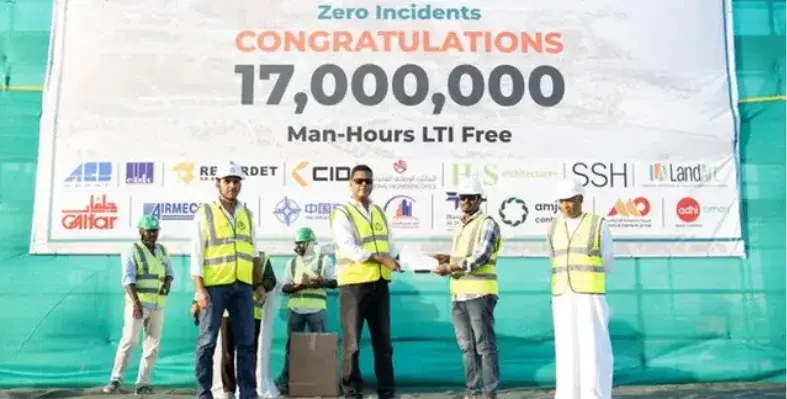
The Sustainable City — Yiti has celebrated 17 million safe working hours with no reported lost time injuries (LTIs)
Diamond Developers, the co-developers of the project in partnership with the Oman Tourism Development Company, announced the milestone.
It celebrated its rigid standards of health and safety on-site, recognising the role of partner Sustainable Development and Investment Company (SDIC).
Chief sales and marketing officer, Mahmoud Shehada, celebrated the event. "We believe operational excellence begins with people. Our goal is to deliver The Sustainable City – Yiti with uncompromising standards of quality and safety, ensuring timely progress and excellence in every detail, ensuring that everyone involved is supported with safety, respect, and wellbeing at the core."
SDIC's general manager, Eng. Abdelrahman ELHAG, added, "Safety is embedded into every stage of our on-site operations. Achieving 17 million LTI-free man-hours reflects the discipline, teamwork, and accountability of everyone working on The Sustainable City – Yiti.
"This milestone demonstrates that with the right systems, culture, and collaboration, large-scale construction can be delivered safely, efficiently, and to the highest international standards."
The Sustainable City — Yiti is marketed as the world's first net-zero emission community, and is situated 30 kilometres from the Omani capital, Muscat. When it opens, the one million square metre community will host more than 10,000 residents in villas, townhouses, and apartments.
- Details
- Matthew Hayhoe
- Middle East
- Date: 12th December 2025
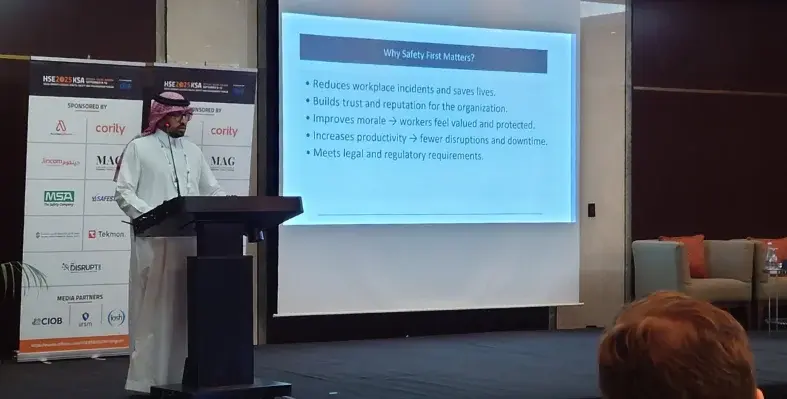
At the KSA HSE Conference in Riyadh on 9th and 10th September, 2025, Kharsan Al Salem, HSEQ Consultant and Traffic Diversions Project Director at Riyadh Municipality, delivered a compelling session on the importance of embedding a 'Safety First' culture in organisations in Saudi Arabia. His talk emphasised that safety must move beyond compliance and become an ingrained value guiding every decision and action in the workplace
“Safety First is to place health and safety and well-being of people above costs and speed and convenience,” Al Salem began. “It’s not just compliance — it should be a culture and value for each organisation.” He reminded attendees that this commitment is not optional but essential: “Everyone deserves to go home safe.”
Al Salem explained that safety-first cultures drive measurable benefits: reducing incidents, saving lives, and boosting productivity and morale. “Safety first matters because it reduces workplace incidents and saves lives, builds trust and reputation for the organisation, improves morale—workers feel valued and protected, and increases productivity,” he said.
He outlined three foundational pillars of a sustainable safety-first culture: leadership commitment, team empowerment, and open communication. “If one of these pillars is weak, the culture will not be sustainable,” he cautioned.
Leadership Commitment
According to Al Salem, leaders play a defining role in shaping organisational culture. “Leaders set the tone by their actions and priorities,” he said. “When leaders actively demonstrate commitment—wearing the right personal protective equipment, following procedures, participating in safety meetings—it sends a powerful message.” This visible involvement, he added, “builds trust and accountability. Employees see that safety is taken seriously, and they feel motivated to follow suit.”
Team Empowerment
Empowering employees to take ownership of safety responsibilities was Al Salem’s second pillar. “Team empowerment is about giving employees ownership of their safety responsibility,” he explained. Providing proper training, resources, and fostering collaboration enables teams to prevent incidents before they happen. “Empowered teams are engaged and proactive,” he said, emphasising the importance of open dialogue where everyone feels comfortable raising safety concerns.
Open Communication
The third pillar, open communication, ensures a transparent and blame-free environment. “Organisations must create a safe environment where employees can report incidents or near misses without fear of retaliation,” Al Salem said. Sharing lessons learned and maintaining feedback loops, he added, “helps everyone improve, so safety processes evolve based on real experience.”
Al Salem also highlighted progress within Saudi Arabia. “Safety culture is gaining momentum, supported by government regulation and initiatives focused on workplace safety,” he noted. According to the Ministry of Human Resources and Social Development, 66% of establishments now comply with the Occupational Safety and Health system. Additionally, nine ministerial decisions and 41 new regulations have been implemented in the field, contributing to a drop in occupational injuries from 416 to 287 per 100,000 workers and a reduction in fatality rates from 3.8 to 1.12 per 100,000 workers.
Closing his session, Al Salem urged attendees to lead by example and commit to continuous improvement. “Leaders should lead by example every day. Teams must feel empowered to speak up and share their concerns. Together, fostering a culture of continuous improvement will make our workplaces safer and more productive,” he concluded.
Through his address, Al Salem underscored that a true “Safety First” culture is not a slogan—it is a shared value, practised daily, and essential for sustainable organisational success in Saudi Arabia’s evolving industries.