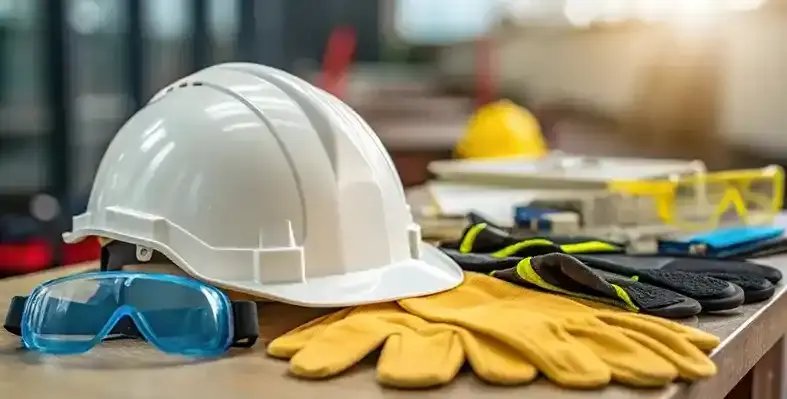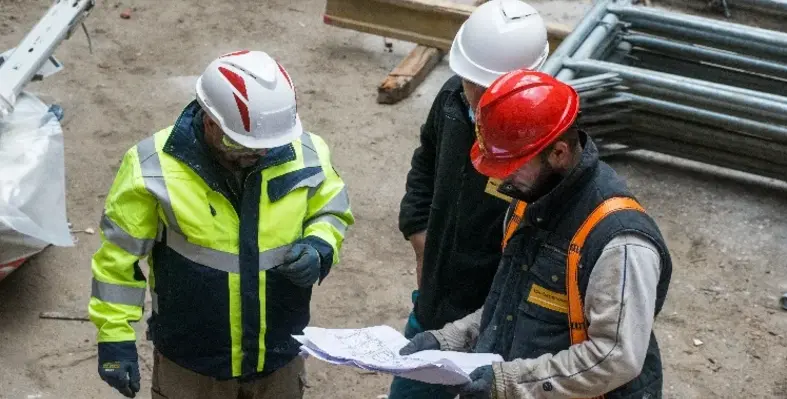
The global industrial safety products market is undergoing a fundamental shift as industries move beyond basic compliance towards more intelligent, preventative safety strategies.
Driven by advances in digital technologies and stricter regulatory frameworks, the sector is evolving into a critical enabler of operational performance.
Valued at US$17.67bn in 2026, the market is projected to reach US$34.96bn by 2036, expanding at a compound annual growth rate of 7.1%. This growth reflects increasing demand for solutions that not only protect workers but also actively reduce the likelihood of incidents.
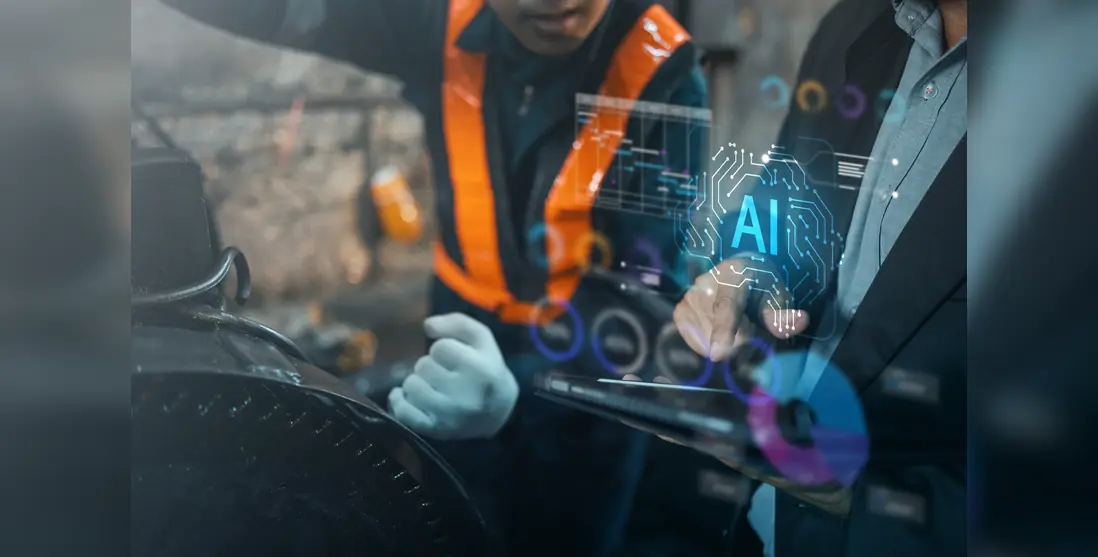
At the centre of this transformation is the adoption of connected personal protective equipment (PPE), real-time compliance monitoring and ergonomically designed safety systems. These technologies are enabling organisations to shift from reactive safety models to predictive approaches, where risks can be identified and mitigated before they escalate.
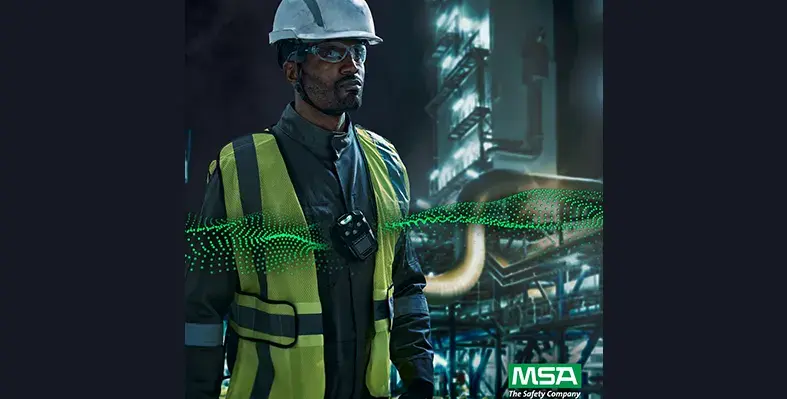
One of the strongest trends shaping the market is the integration of ergonomic design with digital compliance tools. Equipment embedded with sensors or RFID capabilities allows supervisors to monitor usage and adherence to safety protocols in real time. This combination of comfort and accountability is proving essential in improving worker adoption, particularly in high-risk industries where non-compliance remains a persistent challenge.
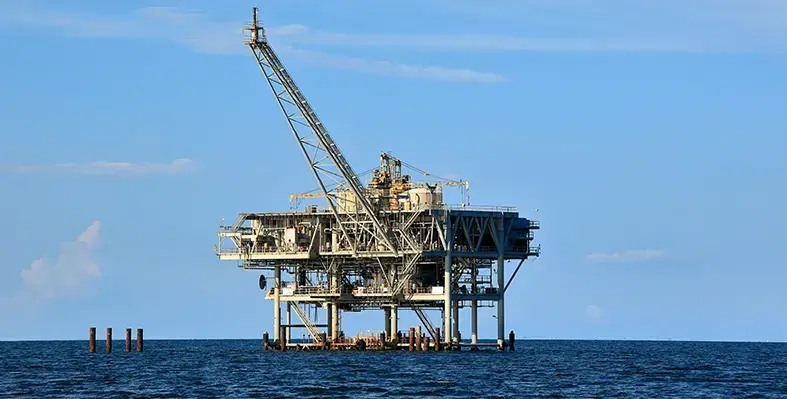
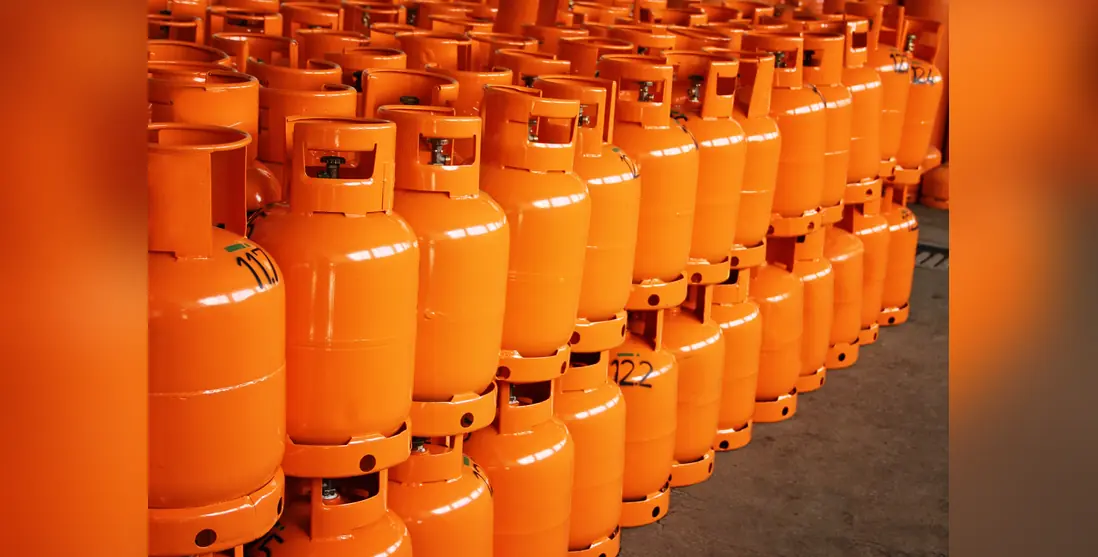
In parallel, the rise of Industrial Internet of Things (IIoT) technologies is redefining hazard detection. Modern safety systems now incorporate interconnected sensors capable of tracking environmental and operational risks such as gas leaks, heat exposure and proximity to machinery. These systems can trigger automated responses when thresholds are exceeded, enhancing safety outcomes across sectors including oil and gas, mining and heavy manufacturing.
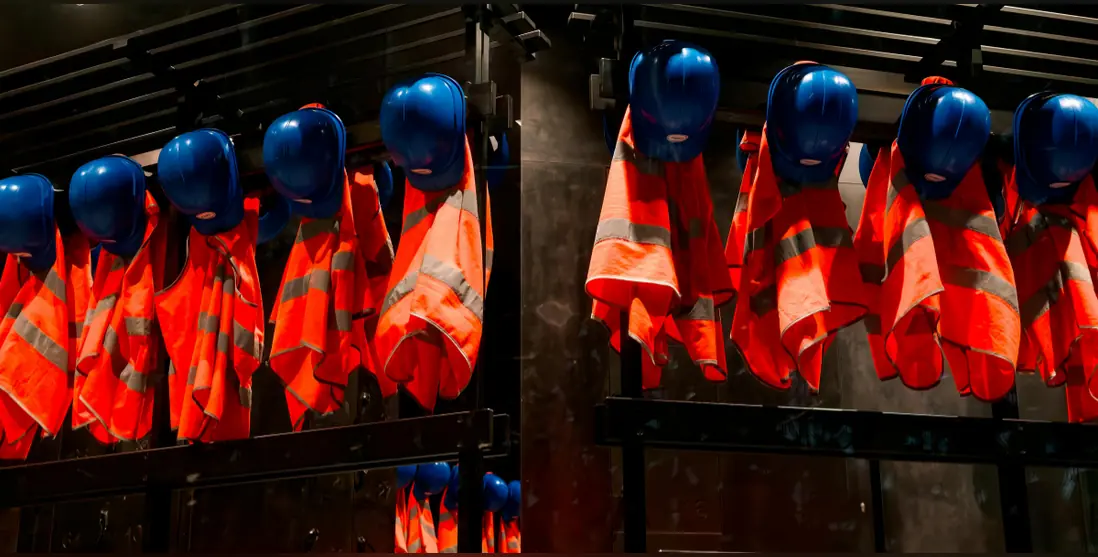
Sustainability is also emerging as a key consideration. As environmental, social and governance (ESG) requirements become more stringent, manufacturers are increasingly turning to recyclable materials and bio-based alternatives for safety equipment. This shift is particularly relevant for high-volume items such as gloves and high-visibility clothing, where reducing environmental impact without compromising durability is a growing priority.
Regionally, the United States continues to play a leading role, supported by strong regulatory enforcement and rapid uptake of digital safety technologies. However, the fastest growth is expected in emerging industrial markets. India is forecast to record the highest expansion rate through 2036, driven by large-scale infrastructure and manufacturing development, while China is also advancing steadily as it transitions towards more technologically sophisticated production environments. Germany remains a hub for innovation, particularly in precision-engineered machine safety and specialised protective solutions.
As the industry evolves, safety products are increasingly viewed not as a compliance cost but as a strategic investment. The convergence of PPE, detection systems and software platforms into integrated safety ecosystems is enabling organisations to enhance efficiency while safeguarding their workforce.
With continued innovation in connected technologies and advanced materials, the industrial safety market is set to play a central role in shaping the future of safe, resilient and high-performing industrial operations.