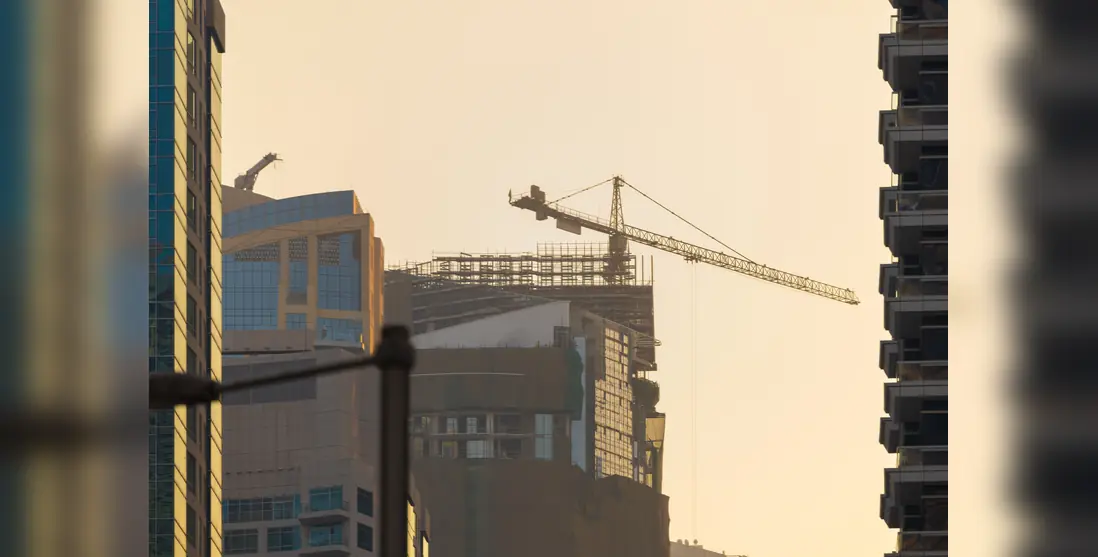
Paul Sincaglia, chief fire protection engineer at the International Code Council (ICC) explores why fire code compliance has evolved beyond a regulatory requirement to become a critical business and development priority
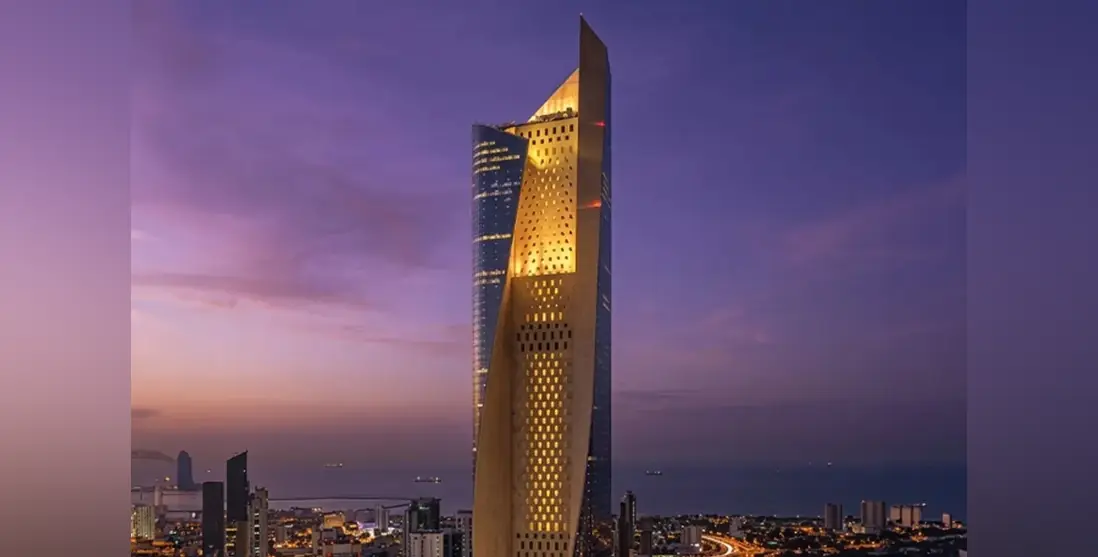
The MENA region is undergoing a remarkable period of urban transformation. Across the Gulf and beyond, ambitious national visions are driving the development of new cities, landmark destinations and increasingly sophisticated high-rise projects that are reshaping the built environment.
From high-rise towers and mixed-use developments to smart cities and tourism destinations, the scale of investment is extraordinary. These projects are redefining how people live, work and interact, while positioning the region as a global hub for innovation, business and tourism.
Yet amid the excitement surrounding architectural ambition and technological advancement, there is another consideration that deserves equal attention: safety.
As buildings become taller, denser and more complex, ensuring they can protect occupants during emergencies is becoming a defining measure of success. A building's performance is no longer judged solely by its design, sustainability credentials or commercial value. Increasingly, it is also measured by its ability to safeguard lives, minimize risk and remain resilient in the face of unexpected events.
This is particularly relevant when it comes to fire safety.
Across the region, developers are pushing the boundaries of what is possible in modern construction. But with greater ambition comes greater responsibility. The consequences of inadequate fire safety planning can be severe, affecting not only occupants but also businesses, investors and communities.
For that reason, fire code compliance should not be viewed as a regulatory obligation alone. It is a fundamental component of responsible development and long-term economic growth.
A changing built environment
The days of standalone buildings designed for a single purpose are long gone. We are now witnessing integrated developments that bring together residential, hospitality, retail, entertainment and commercial spaces within a single project. These destinations are designed to not only create vibrant communities and seamless experiences, but they also introduce new layers of complexity when it comes to safety planning.
At the same time, the industry is embracing new technologies and construction methods at an unprecedented pace. Advanced façade systems, renewable energy installations, battery storage solutions, smart building technologies and increasingly interconnected management systems are becoming standard features of many projects. These innovations deliver clear benefits. However, they also create new fire safety considerations that must be understood and addressed from the earliest stages of design.
A mixed-use high-rise, for example, presents very different challenges from a conventional office tower. Thousands of people may move through the building every day, including residents, hotel guests, office workers, shoppers and visitors who are unfamiliar with the layout. Planning for emergency response and evacuation in such environments requires a far more sophisticated approach.
As the GCC continues to grow vertically, fire safety strategies must evolve alongside it.
Fire safety is now a business issue
One of the most significant changes in recent years is the way fire safety is being viewed by stakeholders. Generally, discussions around code compliance were often confined to project teams, regulators and civil defense authorities. Today, the conversation is much broader.
Investors are asking tougher questions about safety and risk. Insurers are placing greater emphasis on fire protection measures and loss prevention strategies. Occupants are becoming more aware of safety standards and increasingly expect the buildings they live and work in to meet the highest levels of protection. Developers are responding to these expectations while balancing growing demands around sustainability, operational performance and project delivery.
The reality is that fire safety is no longer simply about obtaining approvals or meeting minimum requirements. It has become a business consideration that directly influences asset value, operational continuity and stakeholder confidence.
The financial and reputational consequences of a fire incident can be substantial. Beyond the immediate impact on people and property, organisations may face business interruption, legal liabilities, reputational damage and long-term loss of confidence from investors, tenants and customers.
Why building codes matter
Creating safer buildings begins with a strong foundation, and that foundation is provided by modern building and fire codes.
Codes exist because lessons have been learned from decades of experience, research and real-world events. They provide a framework that helps ensure buildings are designed, constructed and operated with safety in mind from day one.
The International Code Council's (ICC) family of International Codes® (I-Codes®), including the International Building Code® (IBC) and International Fire Code® (IFC), establish requirements covering critical areas such as fire prevention, fire protection systems, means of egress, smoke management and structural fire resistance.
One of the strengths of these codes is that they continue to evolve. As new technologies emerge and construction practices change, code requirements are updated to address new challenges and risks. This is particularly important at a time when the industry is rapidly adopting innovations that were far less common only a decade ago.
For high-rise developments, these codes provide a structured and proven framework for addressing the unique challenges associated with vertical construction, complex occupancies and high occupant densities. They help ensure that safety is considered throughout the lifecycle of a building rather than being addressed as an afterthought.
Building safer cities together
Across MENA, there is growing recognition that safe buildings and successful cities go hand in hand.
Many countries across the region have adopted internationally recognised codes and standards as part of broader efforts to strengthen confidence, improve construction quality and support sustainable urban growth.
At ICC, we have had the opportunity to work closely with governments, regulators and industry stakeholders throughout the region to support these efforts through code development, training, certification and technical expertise.
What we continue to see is that the most effective safety outcomes are achieved when compliance is viewed as a shared responsibility rather than a regulatory exercise.
Designers, engineers, contractors, regulators, building owners and facility managers all have a role to play. Safety is strongest when every stakeholder understands their responsibility and remains committed to maintaining high standards throughout the life of a building.
That commitment does not end when construction is complete.
Regular inspections, testing and maintenance of fire protection systems are essential. Continued investment in training and professional development is equally important as buildings become more sophisticated and safety requirements become more complex.
Looking ahead
The region's growth ambitions show no signs of slowing down. As cities become more complex and construction continues to push new boundaries, fire safety must remain a priority from the outset.
Ultimately, fire code compliance is about more than meeting regulations. It is about protecting people, safeguarding investments and ensuring that the region's most ambitious developments remain safe, resilient and fit for the future.