Middle East
Middle East
- Topic: Industrial
- Region: Middle East
- Date: 17th April 2026
- Year: 2026
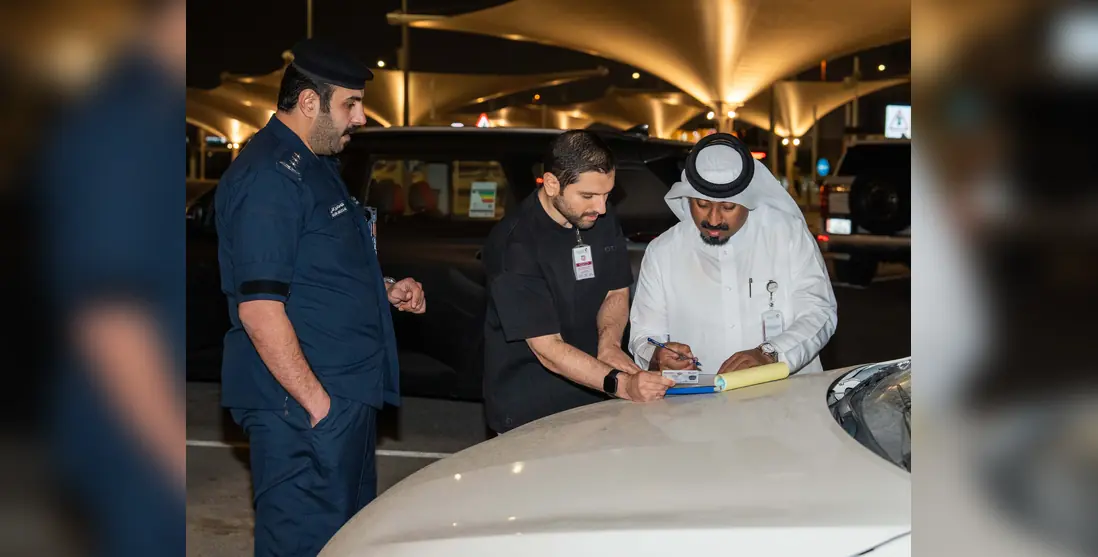
The Ministry of Transport, in coordination with relevant departments of the Ministry of Interior (MOI), has concluded its campaign activities planned for the first quarter of 2026 targeting limousine companies and passenger transport service providers operating through electronic applications.
The campaigns led to the detection of 32 violations of Law No. 8 of 2019 regulating road transport, along with its Implementing Regulations issued under Minister of Transport Decision No. 13 of 2024.
According to the Ministry, the campaigns were carried out across all regions of Qatar, with a particular focus on business districts, service areas, and other high-activity zones. This reflects an expanded enforcement approach aimed at strengthening compliance in densely populated and commercially significant areas.
The Ministry of Transport reaffirmed that it continues its regulatory and enforcement efforts against non-compliant companies. It also urged all operators to comply with applicable laws and obtain the necessary licences before providing services, in order to avoid legal accountability.
It further stressed its commitment to ensuring that passenger transport companies adhere to regulations, meet safety requirements, and deliver high-quality services across the sector.
- Topic: HSE
- Region: Middle East
- Date: 15th April 2026
- Year: 2026
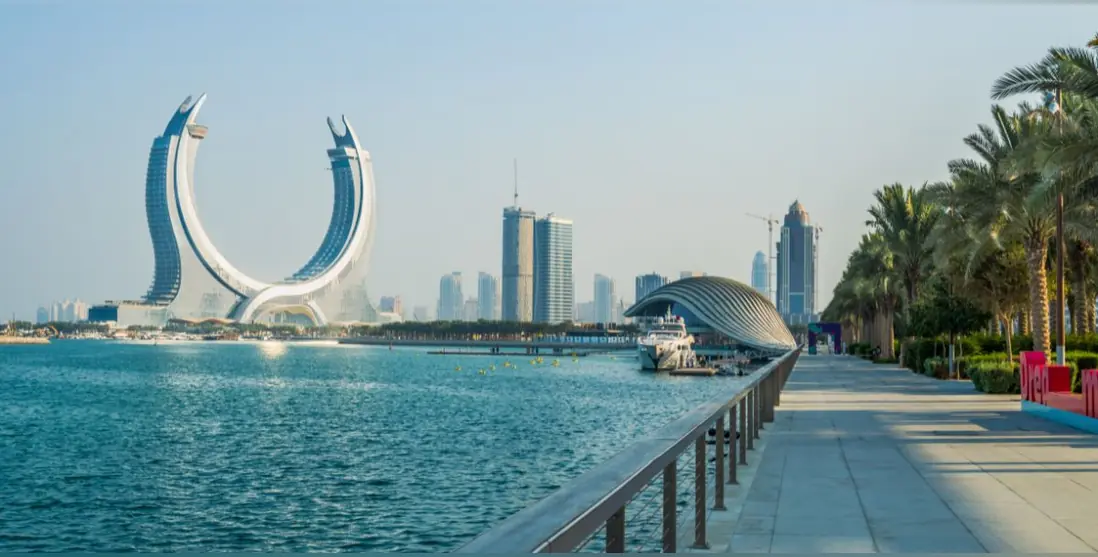
Minister of Environment and Climate Change HE Dr Abdullah bin Abdulaziz bin Turki Al Subaie has confirmed that Qatar’s environmental conditions remain stable and safe, supported by a comprehensive, technology-driven monitoring framework operating across the country.
Speaking to Qatar TV on Wednesday, the minister said the Ministry of Environment and Climate Change runs an integrated environmental monitoring system that continuously tracks air quality, water conditions, and radiation levels. This system provides authorities with accurate, real-time data to enable swift and informed decision-making.
He noted that Qatar has deployed 48 air quality monitoring stations nationwide, along with monitoring points across territorial waters, creating a robust nationwide network. These systems are further supported by a dedicated radiation monitoring programme that tracks levels across both land and sea, with data shared regionally with GCC countries and internationally with the International Atomic Energy Agency.
Addressing emergency preparedness, Dr Al Subaie explained that specialized simulation models are activated immediately in the event of any radiological incident. These models analyse key data inputs to forecast radiation levels over a 48-hour period, helping guide preventive measures and response strategies. He further emphasised ongoing efforts to enhance monitoring capabilities through the expansion of networks and the adoption of advanced technologies, alongside strengthening national expertise in radiation-related fields.
Reassuring the public, Dr Al Subaie stressed that there are currently no indicators of environmental concern. He underlined that the country maintains a high level of readiness to respond to any environmental emergency, ensuring the continued safety of citizens and residents.
- Date: 14th April 2026
- Year: 2026
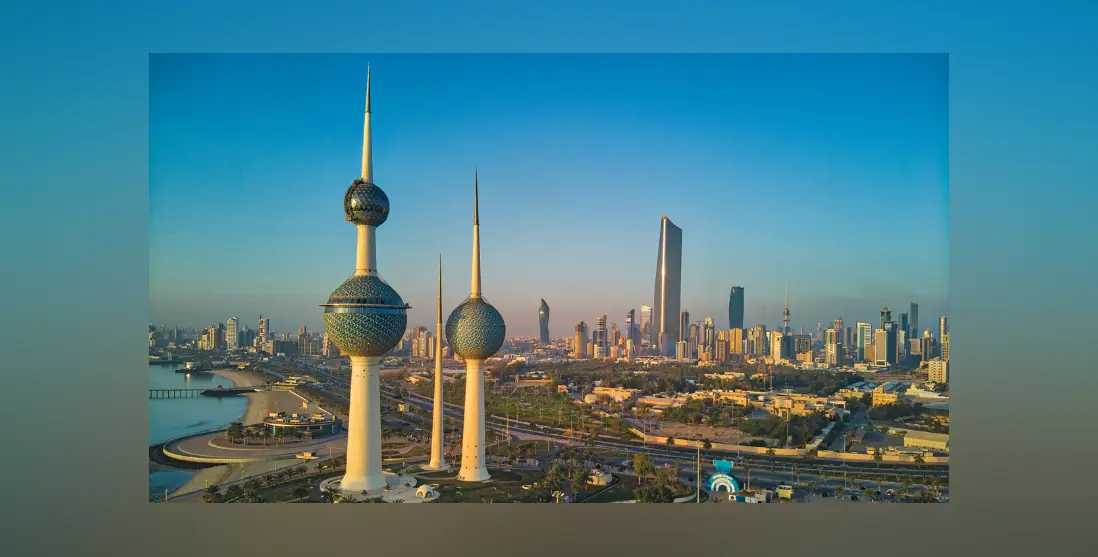
The Kuwait Municipality has stepped up its regulatory efforts in recent weeks through multiple field inspection campaigns across various governorates.
These operations focus on ensuring adherence to building regulations, urban planning standards, and public health requirements in both residential and commercial areas.
In one recent drive in the Capital Governorate, inspectors recorded 78 violations related to cleanliness, street obstructions, and itinerant vendors.
They also issued 971 warnings, undertakings, and notices to promote immediate compliance without further penalties in many cases.
The campaign targeted commercial establishments to maintain hygiene and licensing standards.
Another operation in Farwaniya Governorate resulted in 12 building code citations.
Violations included encroachments on state property and unauthorised internal divisions in shops.
Supervisory teams conducted intensive tours of construction sites to address safety risks and protect public land.
In Bnaid Al-Qar, the municipality issued three violations and 14 warnings during checks on commercial housing projects.
The focus was on compliance with construction rules and preventing misuse of designated spaces.
These actions form part of broader efforts to uphold urban planning across residential zones.
Officials have also targeted illegal structures, such as encroachments on public pathways and unauthorised livestock enclosures in certain areas.
Earlier initiatives involved removing camps near sensitive zones and addressing unlicensed modifications that could compromise safety or infrastructure.
The municipality emphasised that these crackdowns are ongoing and aim to enforce building bylaws uniformly in private, commercial, industrial, and investment properties.
Coordination with other authorities ensures systematic coverage of all six governorates.
Residents and business owners are urged to review their properties for conformity to avoid fines or remedial orders.
Such enforcement helps preserve public spaces, enhance safety, and support orderly development in Kuwait.
Campaigns are expected to continue with regular field visits by engineering and inspection teams.
- Topic: HSE
- Region: Middle East
- Date: 9 April 2026
- Year: 2026
The General Command of the Bahrain Defence Force has reiterated its instructions to all members of the public to exercise the utmost caution for their personal safety, in the context of Iran’s attacks on its critical infrastructure
Citizens and residents are advised to keep clear of affected areas and any suspicious objects; refrain from filming or photographing military operations or debris sites; avoid spreading unverified information; and consult only official and government media channels for updates, alerts, and advice.
The General Command says that the BDF's air defence systems have intercepted and destroyed 194 ballistic missiles and 515 drones targeting the Kingdom’s facilities since the onset of hostilities.
Two people sustained light injuries following an Iranian drone attack in Bahrain on 8 April, the interior ministry said, hours after the US-Iran ceasefire took effect.
“Two citizens sustained minor injuries and a number of houses were damaged in the Sitra area as a result of shrapnel falling from the interception of an Iranian drone,” the Bahrain Ministry of Interior said in a statement.
Bahrain’s critical infrastructure has been significantly impacted by drone attacks. These incidents have tested safety protocols, business continuity and emergency response plans, and it is testimony to the strength of these, and the top priority accorded to the safety of employees, that minimal casualties have been reported and operating companies have demonstrated resilience.
Bapco Energies confirmed that a tank fire broke out earlier on 6 April at one of its storage facilities, following an Iranian drone attack. In a statement it said the fire was fully extinguished and that damage is being assessed. No injuries were reported.
Bapco Energies had on 9 March declared Force Majeure on its Group operations as a result of the on-going regional conflict and an attack on its refinery complex. The company stressed that all local market needs are fully secured according to the proactive plans in place, ensuring the continuity of supplies and meeting local demand without impact.
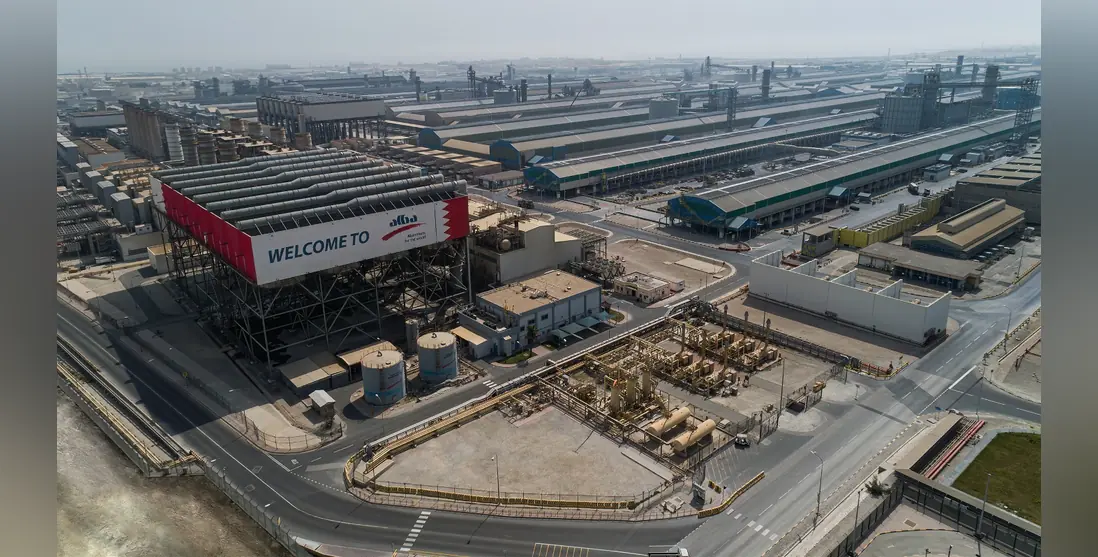
While Aluminium Bahrain (Alba) confirmed that its operations were affected by an Iranian attack on 28 March, with two employees suffering minor injuries.
In a statement, the company said it is currently evaluating the extent of damage to its facilities while implementing precautionary measures to ensure the continued safety of personnel and infrastructure. Emergency protocols were activated in line with established operational and safety procedures, and the company said it is taking all necessary steps to protect employees and stabilise operations.
Alba earlier declared force majeure on metal deliveries due to severe shipping disruptions in the Strait of Hormuz and carried out a controlled and safety shutdown of part of its operations as “an operational measure to preserve business continuity amid ongoing supply and transit disruptions affecting the Strait of Hormuz.”
The safety of Alba’s employees and contractors’ personnel, the protection of its assets, and the reliability of supply to customers remain Alba’s highest priorities, the company said.
- Year: 2026
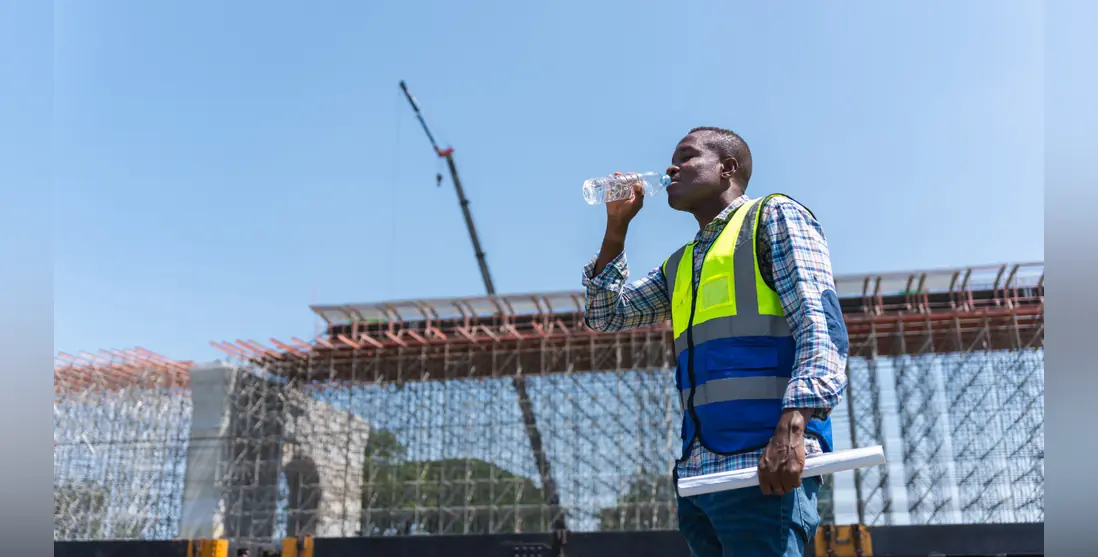
Bahrain has approved its 2026 midday outdoor work ban, reinforcing measures to protect workers from extreme summer temperatures and direct sun exposure.
The regulation, now formalised through the Official Gazette, will be implemented from 15 June to 31 August. During this period, outdoor work will be prohibited between 12pm and 4pm, targeting the hours of highest heat intensity.
The directive applies across all sectors involving open-air labour, including construction and other physically demanding roles. Authorities aim to reduce the risk of heat stress, dehydration and related occupational hazards that can arise during peak summer conditions.
Officials highlighted the strong compliance achieved in previous years as a sign of growing awareness among employers. In 2025, adherence to the regulation reached 99.96%, supported by regular inspections and enforcement measures designed to safeguard worker wellbeing.
Monitoring efforts are expected to continue throughout the enforcement period, with authorities conducting site visits to ensure companies follow the rules. The initiative forms part of broader occupational health and safety strategies across the Gulf, where high temperatures present seasonal risks to outdoor workers.
Employers found in breach of the ban may face financial penalties or temporary suspension of operations, underlining the government’s strict stance on worker protection.
The policy reflects Bahrain’s ongoing commitment to improving labour conditions, particularly in sectors exposed to environmental risks, and reinforces the importance of preventative measures in maintaining safe working environments during the summer months.

- Date: 8th April 2026
- Year: 2026
The General Directorate of Civil Defense has delivered a series of emergency safety workshops aimed at strengthening preparedness across educational institutions in Qatar.
Held over four days at the Officers Club, the sessions brought together nearly 1,200 participants, including school leaders, deputy heads and safety personnel from both public and private institutions. The initiative forms part of broader efforts to enhance emergency readiness within the education sector.
The programme focused on equipping attendees with practical knowledge on managing crisis situations, with particular emphasis on evacuation procedures and precautionary measures during emergencies or unusual events. Officials highlighted the importance of having clear, standardised guidance that can be applied consistently across schools.
A key objective of the workshops was to align response protocols when alerts are issued through the National Alert System. Participants were guided on how to coordinate evacuation and shelter procedures effectively, ensuring the protection of students as well as teaching and administrative staff.
In addition, the sessions addressed varying alert levels and the appropriate actions required at each stage. Safety officers were briefed on their roles in implementing response plans, managing communication and maintaining order during emergency scenarios.
The Directorate noted that such training programmes play a critical role in reinforcing a culture of safety within schools, while ensuring that staff are prepared to respond swiftly and efficiently to potential risks.
By standardising procedures and strengthening awareness, the initiative aims to improve overall resilience within Qatar’s education system and safeguard school communities in the event of emergencies.
- Topic: HSE
- Region: Middle East
- Date: 6th April 2026
- Year: 2026
The recently concluded International Occupational Health Summit (IOHS) held at the Oman Convention and Exhibition Centre celebrated Oman's progress in facilitating occupational health on local, regional, and global scales, matching world-class standards across industries.
Organised by the Ministry of Energy and Minerals and Oman Energy Association (OPAL), the show was inaugurated by Mahad bin Said Baowain, Oman’s Minister of Labour. Themed 'Towards a Sustainable Health Excellence at the Workplace'," Abdulrahman al Yahyaei, CEO of Oman Energy Association (OPAL), who was the chairman of the summit, spoke on the significance of embracing a workplace that puts equal importance on productivity, sustainability and health orientation.
He also acknowledged the support received from international bodies such as the World Health Organisation (WHO) and the International Labour Organisation (ILO).
With more than 100 experts from 20 countries joining the summit to advance discussions and workshops matters of occupational health, industrial hygiene, mental health, and non-communicable diseases, Al Yahyaei said that putting in place the right laws and regulations to build industry standards are importat in establishing occupational health.
While delivering the keynote address, Saeed al Lamki, Under-Secretary for Health Affairs at the Ministry of Health, noted that occupational health and its impact on the well-being of the Omani workforce is bigger than just a medical concern, set to drive the country's economic and social advancement at large. Establishing the urgency of the matter, he accounted that occupational injuries and diseases globally make up for more than 4% of the Gross Domestic Product (GDP) annually. According to him, focusing on maintaining present well-being and working towards a sustainable future is the need of the hour to secure the huge workforce of the country.
Oman has already put in place the necessary organisations and policies for the seamless integration of occupational health into the global health and development agenda. The Ministry of Health has implemented a comprehensive strategy that aligns occupational health initiatives with their Sustainable Development Goals (SDG) objectives.
Technology, for example, has been inbuilt into an ongoing service system, ensuring event-based surveillance for threats to public health. In the patient safety front, a comprehensive system combines healthcare worker safety into quality improvement projects.
Al Lamki revealed plans to extend occupational health services to all the governorates of Oman by 2024.
- Date: 6th April 2026
- Year: 2026
Sharakat has reported a major occupational safety milestone at the Juranah Strategic Water Storage Project, with the site achieving 4.9 million safe working hours without a Lost Time Injury (LTI).
The achievement underscores the project’s strong emphasis on health and safety management, particularly during complex construction phases involving large-scale infrastructure and high-risk activities.
Located in the Makkah Region, the project has prioritised rigorous safety protocols, workforce training and continuous monitoring to maintain a zero-LTI record.
Sharakat highlighted that the milestone reflects a consistent commitment to embedding best-in-class occupational health and safety practices across all stages of development.
From site induction procedures to real-time hazard identification and mitigation, the project has adopted a proactive approach aimed at preventing incidents before they occur.
The Juranah Independent Strategic Water Reservoir (ISWR) scheme is being delivered under a build-own-operate-transfer model by a consortium comprising Vision International Investment Company, Abu Dhabi National Energy Company and Gulf Investment Corporation.
Alongside construction of the reservoir, the scope includes associated infrastructure designed to support long-term water security in the region.
Speaking following a site visit, CEO Engineer Khaled Alqureshi noted that maintaining a safe working environment remains central to the project’s delivery strategy.
He emphasised that robust safety frameworks, combined with strong collaboration between contractors and stakeholders, have played a key role in achieving the milestone.
Beyond safety performance, the project represents a significant investment in the Kingdom’s water infrastructure, valued at approximately AED1.5bn (US$400mn).
Once completed, it will provide a strategic storage capacity of 2 million cu m, alongside an operational tank capacity of 500,000 cu m, strengthening potable water supply resilience in the Makkah region.
Importantly, Sharakat stressed that sustaining high safety standards will remain a priority as construction progresses towards completion.
With works advancing steadily, the project is scheduled to enter commercial operation in the second quarter of 2027, after which it will be operated for 30 years before being transferred to the Saudi Water Partnership Company.
The milestone positions the Jaarana project as a benchmark for integrating occupational safety excellence into large-scale infrastructure development across Saudi Arabia.
- Date: 3rd April 2026
- Year: 2026
Emirates Petroleum Company PJSC (Emarat) has reaffirmed its commitment to high health, safety and environmental (HSE) standards through its participation in a key regional industry gathering held in Sharjah.
The company used the platform to highlight how HSE principles are embedded across its operations, shaping decision-making, investments and day-to-day activities. Emarat continues to position safety, environmental responsibility and operational discipline as core drivers of long-term performance and resilience.
Burhan Al Hashemi, CEO of Emarat, emphasised that HSE is not treated as a standalone function, but as a leadership priority integrated into every aspect of the business. He noted that the company’s approach spans its full portfolio, including fuel retail, aviation fuel, lubricants, LPG and natural gas, where maintaining high standards is essential to ensuring reliability and building trust with customers and partners.
According to Al Hashemi, prioritising HSE enables the company to strengthen operational continuity while supporting sustainable growth across the energy value chain. He added that Emarat remains focused on advancing industry standards and contributing to a safer and more responsible operating environment.
Across its operations, Emarat applies strict safety protocols and continuous improvement measures, from frontline procedures to process management and environmental stewardship. This integrated approach is designed to enhance performance, reduce risk and reinforce accountability at all levels of the organisation.
The company also highlighted the role of HSE in its product segments, including liquefied petroleum gas (LPG). As a supplier of composite LPG cylinders, Emarat adheres to internationally recognised safety benchmarks, ensuring that its products meet stringent quality and environmental requirements.
Ali AlAstad Alhammadi, vice president of Health, Safety, Environment and Quality at Emarat, said the company values opportunities to engage with industry stakeholders and exchange practical insights on improving safety and sustainability outcomes. He noted that collaboration and knowledge-sharing remain essential to driving progress across the sector.
Emarat’s participation underlines its broader strategy of aligning with global best practices while strengthening regional standards. By embedding HSE across its operations and product lines, the company aims to support a culture of safety, enhance environmental performance and maintain operational excellence in an evolving energy landscape.

- Date: 2nd April 2026
- Year: 2026
Methanex Egypt has signed a new agreement with the Ministry of Petroleum and Mineral Resources to support the next phase of the country’s energy sector capacity-building programme, with a strong focus on safety and operational reliability.
The deal, finalised on the sidelines of EGYPES 2026, marks the launch of Wave III of the initiative. It aims to strengthen process safety management (PSM) frameworks and enhance asset integrity across Egypt’s oil, gas and petrochemical industries.
Under the agreement, a series of specialised training modules will be introduced to improve workforce capabilities and embed a stronger safety culture aligned with international standards. The programme is designed to address both technical competencies and leadership development, supporting long-term sector resilience.
Mohamed Shindy, managing director of Methanex Egypt, said, “Through initiatives like Capacity Building Wave III and our recently launched PSM professional diploma with AUC and the ministry, we continue to support efforts that develop capabilities, nurture future leaders, and enable safer, more reliable operations across Egypt’s energy industry.”
The initiative builds on previous collaboration between the two parties, including a US$1mn agreement signed during the 2025 edition of EGYPES. That earlier partnership introduced a professional diploma in process safety management in collaboration with the American University in Cairo, aimed at equipping industry professionals with advanced safety knowledge.
Officials said the latest phase will further strengthen human capital development by promoting best practices in risk management, operational safety and infrastructure reliability. The programme also aligns with the ministry’s broader strategy to modernise the energy sector while prioritising workforce safety and sustainability.
Industry stakeholders view the initiative as a key step towards reinforcing safety standards across Egypt’s energy value chain, particularly as the sector continues to expand and adopt more complex technologies.
By focusing on structured training and knowledge transfer, the programme is expected to support safer operations and improved performance across upstream and downstream activities.
- Date: 30th March 2026
- Year: 2026
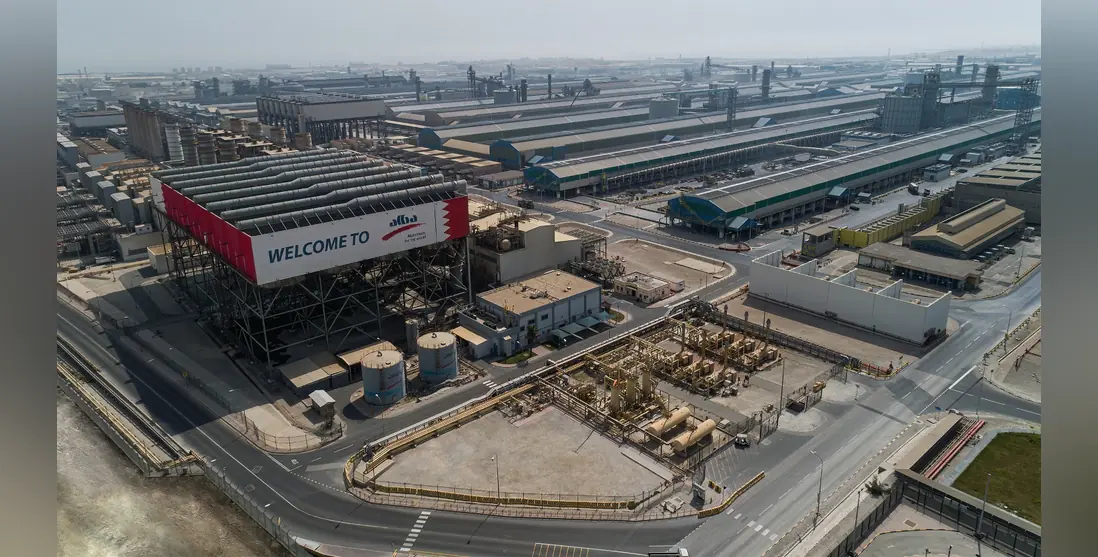
Bahrain-based aluminium producer Aluminium Bahrain B.S.C. (Alba) has confirmed that its operations were affected by an Iranian attack on Saturday, 28 March 2026, prompting immediate safety and damage assessments at the site.
The company reported that two employees sustained minor injuries during the incident.
Both cases were treated promptly, with no serious harm recorded. Alba emphasised that safeguarding its workforce remains its highest priority as it responds to the situation.
In a statement, the company said it is currently evaluating the extent of damage to its facilities while implementing precautionary measures to ensure the continued safety of personnel and infrastructure.
Emergency protocols were activated following the incident, in line with established operational and safety procedures.
Alba stated that it is closely monitoring developments and coordinating internally to ensure that all necessary steps are taken to protect employees and stabilise operations.
The company has also indicated that further updates will be provided as more information becomes available.
- Date: 26th March 2026
- Year: 2026
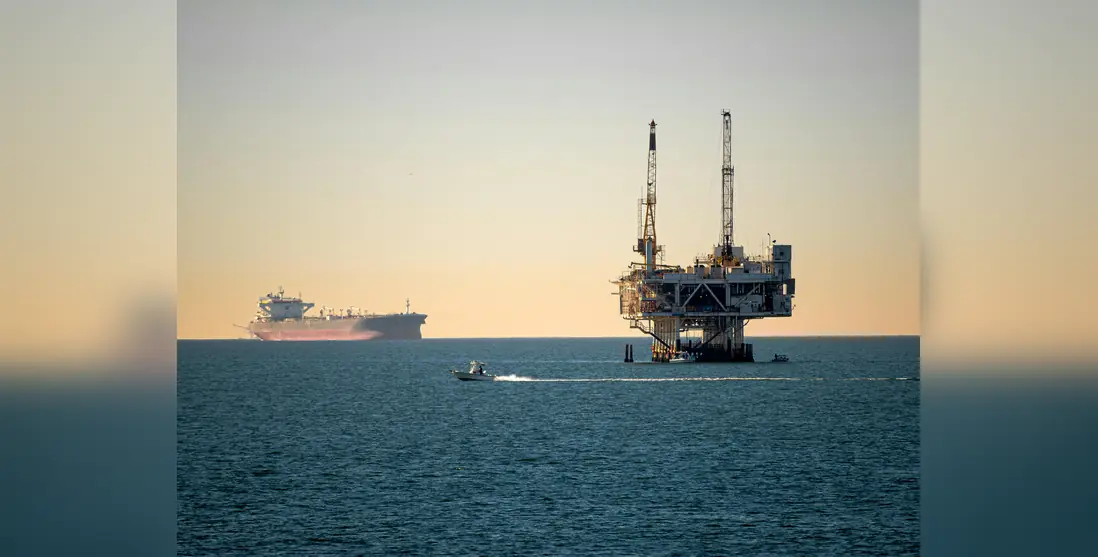
Saudi-based Arabian Drilling Company has temporarily suspended a number of its offshore rigs as a precautionary measure, citing safety concerns linked to ongoing regional tensions.
In a statement to the Saudi Exchange, the company confirmed that the suspensions were implemented in line with established safety and operational procedures, with a primary focus on safeguarding personnel and protecting critical assets.
The move affects a limited portion of the company’s offshore fleet, while its onshore operations remain unaffected. Arabian Drilling said its land fleet of 39 rigs continues to operate at full capacity, maintaining uninterrupted activity across its domestic projects.
Management indicated that the decision was taken following consultations with clients and an internal review of the evolving situation. The company stressed that the suspensions are expected to be temporary, with operations set to resume once conditions stabilise and risks are reassessed.
Chief executive Fahad Albani said the company remains focused on ensuring operational safety during a period of uncertainty. He noted that while offshore activity has been paused in specific cases, Arabian Drilling retains the capability to restart operations quickly when it is deemed safe to do so.
The company operates a fleet of 60 rigs, of which 45 are currently active, according to its latest disclosures. By prioritising safety-led decision-making, Arabian Drilling aims to minimise exposure to potential hazards while maintaining readiness to respond to changing conditions.
Industry observers note that precautionary suspensions are a common response during periods of heightened geopolitical risk, particularly in offshore environments where safety considerations are paramount. Such measures are typically designed to reduce the likelihood of incidents involving personnel, equipment or infrastructure.
Arabian Drilling added that it expects only a limited financial impact in the first quarter of 2026, with a recovery anticipated once operations resume. The company continues to monitor developments closely and is maintaining operational preparedness across its fleet.
The broader industry is also taking a cautious approach. ADES Holding Company recently indicated that a small number of offshore rigs across the GCC have been temporarily halted under similar circumstances, underscoring a wider emphasis on risk mitigation.
As regional uncertainty persists, safety remains a central priority for operators, with companies balancing operational continuity against the need to protect workers and infrastructure in challenging environments.