
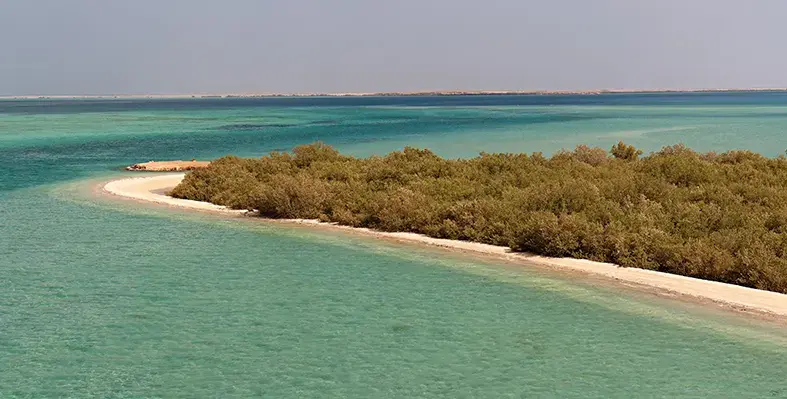
 As part of its efforts to develop and regulate coastal tourism, the Saudi Red Sea Authority (SRSA) has issued Beach Operators’ Requirements and Conditions, ensuring organised activity, protection of the marine environment, and visitor safety.
The move comes as Saudi Arabia seeks to massively upgrade its tourism infrastructure and appeal to international visitors.
SRSA said in a statement that the rules mark a “qualitative step” toward activating beaches as key economic enablers and supporting the development of sustainable coastal tourism along the western coast of Saudi Arabia.
The guidelines are the first of their kind in the kingdom, it added.
“These requirements serve as a comprehensive operational and regulatory framework for issuing beach operation licenses,” the SRSA statement noted.
“They define conditions related to security, safety, public health, and environmental protection, establishing a new phase governed by high-quality standards aligned with international best practices and experiences.”
It added that the framework aims to deliver an “optimal beach experience” for visitors and, in the long term, enhance service quality, safety standards, beach sustainability, marine environmental protection, and overall attractiveness.
The requirements are designed to act as an official reference for operators seeking to develop or operate beaches.
This initiative comes as part of the authority's mandate to regulate coastal tourism activities and in fulfilment of its core roles and responsibilities, which include developing policies, strategies, plans, programmes, and initiatives necessary to regulate activities and services, establish controls, rules, and standards and ensure the protection of the marine environment.
The requirements and conditions also cover beach design, development, and construction in accordance with the Saudi Building Code, ensuring compliance with architectural and structural standards.
They further include accessibility requirements for persons with disabilities, adherence to security, safety, and environmental systems, and compliance with the highest quality standards and specifications in line with the Blue Flag eco-label for beaches.
Additionally, the framework outlines the licensing process for beach operation, which includes several key requirements such as: a valid commercial registration, an environmental operating permit, marine zoning and planning approval, a beach safety plan, and an assessment of the beach's carrying capacity.
“Operators are also required to comply with security, safety, and public health obligations, including the separation of swimming areas from other marine activities, provision of essential safety and rescue equipment, installation of clear signage, and the availability of trained lifeguards,” the statement added.
“The requirements further impose strict environmental controls, including the prevention of pollutant discharge, effective waste management, the use of environmentally friendly materials, activation of environmental monitoring mechanisms, and immediate reporting of any environmental incident to preserve ecological balance.”
According to SRSA, the guidelines will enter into force on 31 January, 2026 although existing beach operators will be granted a one-year grace period.