Industrial Insights
Industrial Insights
- Details
- Sania Aziz
- Industrial Insights

- Date: 3rd March 2026
- Year: 2026
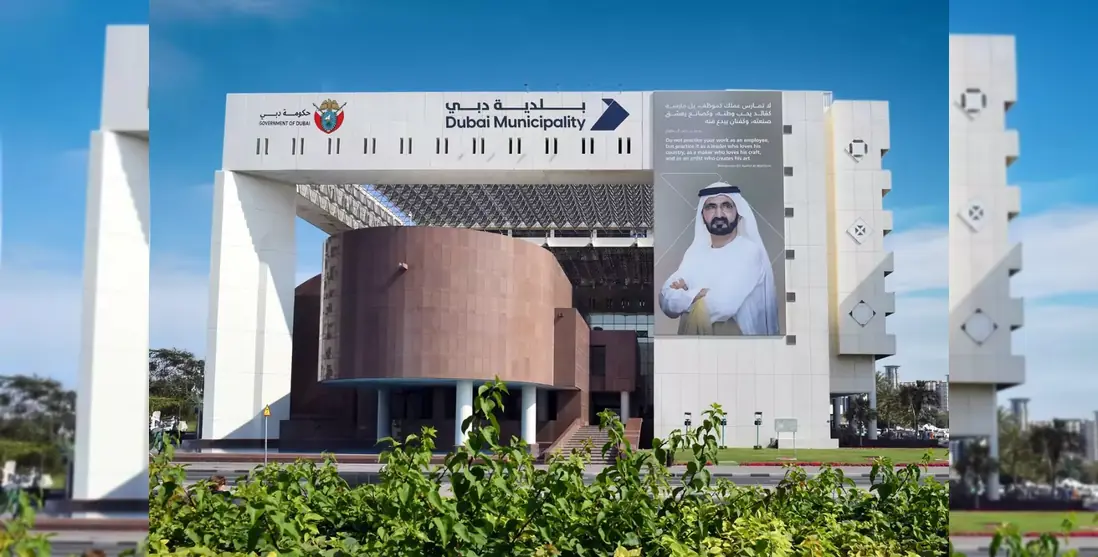
Dubai Municipality has announced that it secured more than 100 local, regional and international awards during 2025, underscoring its expanding role in urban governance, digital transformation and sustainable development.
The civic body said the recognitions span a wide range of sectors, reflecting progress in smart city management, infrastructure resilience and quality of life initiatives across the emirate. Officials described the milestone as evidence of Dubai’s broader ambition to position itself as a global benchmark for integrated urban development.
Throughout the year, Dubai Municipality reported advancements in digital services, environmental protection and circular economy programmes. Major efforts included enhancements to waste management systems, wastewater and stormwater networks, and urban planning frameworks. The authority also strengthened food safety oversight, construction sector regulation and public health safeguards.
Among the prominent accolades were the International Safety Awards from the British Safety Council, recognising the municipality’s work in reinforcing occupational health and safety standards. It also received honours at the BTOPEX Awards for Achievement in Business Operations Management and the Agile Business Awards for overall organisational agility.
On the international stage, Dubai Municipality was recognised at the International Quality Awards 2025 in the Quality Team category and received the International Best Practice Award for Opportunity Seizing. Additional distinctions included the HBC International Award for Business Resilience and a Going Digital Award for Project Implementation.
Several awards highlighted flagship infrastructure projects. These included the electrical substation at the Warsan Waste Management Centre and the Waste-to-Energy biogas conversion initiative at the same site, both seen as key components of Dubai’s long-term sustainability roadmap.
Innovation and knowledge management were also acknowledged. The municipality received an Organisation-wide Innovation Award and the Most Innovative Knowledge Enterprise (MIKE) Award for implementing its Knowledge and Innovation Strategy.
In the field of human capital development, Dubai Municipality collected multiple Human Capital Management Excellence Awards, covering certification programmes, leadership development models and employee wellbeing initiatives. It also secured Brandon Hall Group’s Technology Excellence Award in the Future of Work category for digital credentialling platforms.
International recognition extended to urban planning. The authority received the Global Human Settlements Award on Planning and Design in Geneva for its Integrated Waste Management Strategy 2041, and a Silver Award at the LivCom Awards 2025 for inclusive city planning linked to the Dubai 2040 Urban Master Plan.
Officials said the cumulative honours reflect a sustained commitment to innovation-driven service delivery and future-ready urban systems that enhance living standards across Dubai.
- Details
- Sania Aziz
- Industrial Insights
- Date: 27th February 2026
- Year: 2026
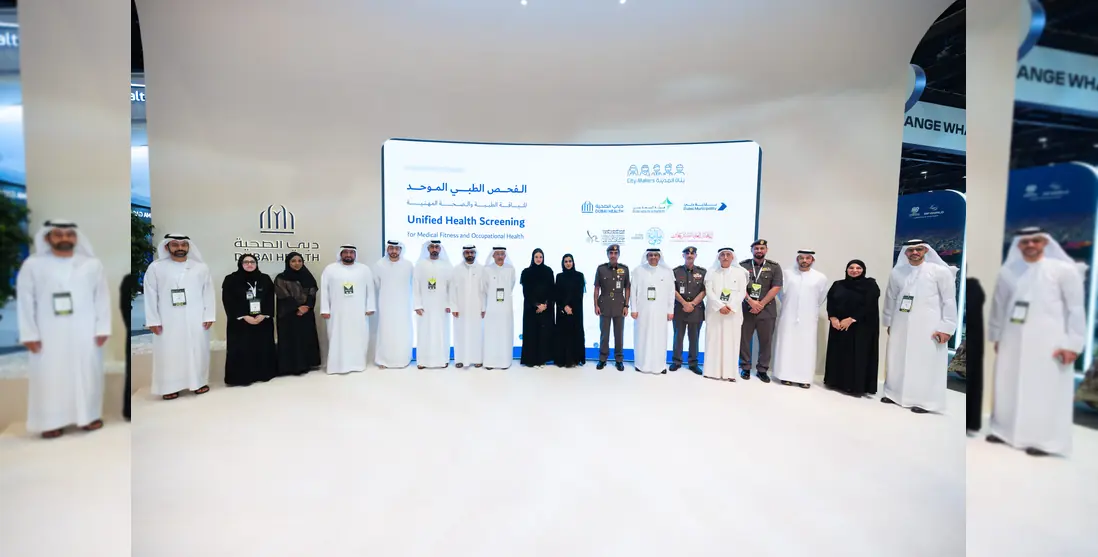
Dubai Health has introduced a new ‘Unified Health Screening’ initiative designed to combine residency medical fitness tests and occupational health checks into a single, streamlined process.
The move brings together multiple government bodies to simplify procedures for professionals living and working in the emirate. The system has been developed in collaboration with the Dubai Health Authority, the General Directorate of Identity and Foreigners Affairs – Dubai, Dubai Municipality, the Supreme Legislation Committee and the Department of Finance.
The initiative forms part of the ‘City Makers’ programme led by The Executive Council of Dubai, aligning with the emirate’s Social Agenda 33 and Economic Agenda D33, both of which aim to enhance quality of life and strengthen Dubai’s competitiveness.
Under the new system, applicants can complete both medical fitness examinations for residency and occupational health requirements through one smart digital platform. Based on profession-specific data, the platform automatically determines the required tests, enabling individuals to undergo all examinations during a single visit. Once results are finalised, residency permits are issued electronically without the need for additional applications.
Officials said the integration links databases across participating authorities, allowing faster, more accurate information exchange while reducing duplication of procedures.
Dr Alawi Alsheikh-Ali, director general of Dubai Health Authority, described the launch as a milestone in unified government services. He said the automated pathway standardises data sharing between entities and supports preventive planning, particularly as Dubai continues to experience population and economic growth.
Lieutenant General Mohammed Ahmed Al Marri, director general of the General Directorate of Identity and Foreigners Affairs – Dubai, said the service reflects the emirate’s model of institutional connectivity. By enabling secure, automated data exchange with strategic partners, he noted, the authority can accelerate residency issuance and enhance the overall customer journey.
Dubai Municipality’s director general, Eng Marwan Ahmed bin Ghalita, added that the initiative strengthens the city’s regulatory and inspection framework. Real-time access to accurate information will support occupational health and safety compliance while improving emergency preparedness.
Dr Amer Sharif, chief executive officer of Dubai Health and President of Mohammed Bin Rashid University of Medicine and Health Sciences, said the service elevates the quality of joint government offerings and reinforces Dubai’s ambition to deliver smart, proactive public services.
The Unified Health Screening service is currently available at several Dubai Health medical fitness centres, with plans to expand capacity in response to rising demand.

- Details
- Sania Aziz
- Industrial Insights
- Date: 26th February 2026
- Year: 2026
Sidra Medicine and QatarEnergy have formalised a new partnership aimed at strengthening healthcare services and professional development across Qatar, signing a Memorandum of Understanding to guide future collaboration.
The agreement establishes a framework for joint initiatives spanning clinical services, workforce wellbeing and knowledge exchange. Both organisations said the move underlines their shared commitment to advancing Qatar’s healthcare ecosystem and improving access to high-quality medical support for employees and the wider community.
Under the terms of the MoU, the two entities will explore commercial healthcare solutions tailored to QatarEnergy’s workforce. These include structured insurance pathways, customised corporate healthcare packages and specialised maternity services designed to meet the needs of employees and their families.
The partnership will also focus heavily on education and training. Plans include continuing medical education programmes, professional development opportunities and broader health awareness initiatives. By combining clinical expertise with industry insight, the organisations aim to create learning platforms that benefit healthcare professionals and corporate teams alike.
Speaking at the signing, Mohammed Khalid Al Mana, acting chief executive and member of the board of governors at Sidra Medicine, said the agreement reinforces the hospital’s commitment to collaborating with national partners. He noted that investing in professional development and expanding access to advanced care are central to building resilient healthcare systems for the long term.
Nabeel Mohammed Al-Buenain, executive vice president for HSE and Business Services at QatarEnergy, highlighted the importance of safeguarding employee wellbeing. He said the partnership would enhance healthcare pathways for the company’s workforce while contributing to the broader development of medical services in Qatar.
Beyond insurance and training, the MoU outlines coordination of clinical services, including outpatient support, streamlined referral systems and improved access to specialised treatment. The intention is to simplify patient journeys and ensure timely, appropriate care for QatarEnergy personnel requiring medical attention.
The agreement reflects a broader national push to integrate public and corporate stakeholders into a cohesive healthcare network. By aligning institutional expertise with workforce health strategies, the collaboration is expected to support innovation, raise standards of care and promote sustainable growth within Qatar’s medical sector.
Officials from both sides described the MoU as a long-term strategic step, signalling closer ties between healthcare and industry in a country seeking to position itself as a regional leader in advanced medical services.

- Details
- Sania Aziz
- Industrial Insights
- Date: 25th February 2026
- Year: 2026
Dover Fueling Solutions has launched a new automatic tank gauging solution aimed at industrial operators, expanding its ProGauge portfolio beyond traditional forecourt applications.
The company, part of Dover Corporation, confirmed that the ProGauge LR120 Radar is now available across Europe, the Middle East and Africa, as well as South America and Latin America. The system is designed to deliver high-precision level measurement for both liquid and solid materials in industrial environments.
According to DFS, the radar unit integrates directly with the ProGauge MagLink LX console family, providing operators with real-time visibility of stock levels and inventory data. The move strengthens the firm’s position in the automatic tank gauging (ATG) market, where demand is growing for more accurate and digitally connected monitoring systems.
Housed in a hermetically sealed PVDF enclosure, the LR120 Radar has been engineered for durability and long-term reliability. It offers measurement ranges of up to 30 metres, with a narrow beam that allows for precise readings in tanks and wet wells, even where obstructions are present. The device is also suitable for solid level measurement and open-air applications outside tanks.
DFS said the radar is certified for use in hazardous areas, including environments with explosive dust, broadening its suitability for industrial sites that require strict compliance with safety standards.
Nuno Almeida, director of product management for EMEA at Dover Fueling Solutions, described the launch as a strategic extension of the ProGauge brand. He said the portfolio has evolved into a comprehensive fuel management offering and is widely recognised within the ATG sector. By adding industrial-grade measurement capability, the company aims to provide operators with more complete and accurate oversight of site inventories.
The LR120 Radar is compact and designed for straightforward installation, helping reduce downtime during system upgrades. With an accuracy of 2 mm, even at near-zero range distances, the system is positioned as a tool to support improved inventory control and minimise discrepancies.
Stefano Scatena, Senior Director and General Manager for ATG and Wet Stock Management at DFS, said the addition reflects the company’s ambition to serve a broad spectrum of operational requirements. He noted that the expanded ProGauge portfolio enables operators to monitor and measure virtually any liquid or solid material on site, regardless of their location or forecourt configuration.
The launch underscores ongoing investment in digital monitoring technologies as industrial and fuel retail operators seek greater transparency, safety and efficiency in stock management.
- Details
- Sania Aziz
- Industrial Insights
- Date: 24th February 2026
- Year: 2026
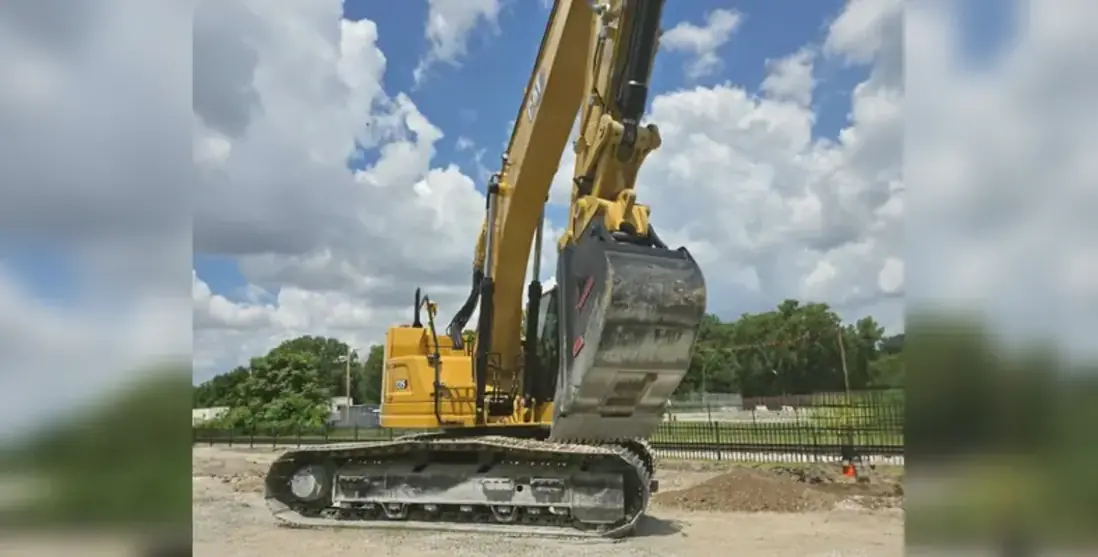
Xwatch Safety Solutions, part of Hexagon AB, has partnered with RodRadar to launch what the firms describe as the construction industry’s first safety-grade system designed to prevent underground utility strikes by automatically stopping excavators mid-dig.
The integrated solution combines Xwatch’s hydraulic safety controls with RodRadar’s Live Dig Radar (LDR), a ground-penetrating radar embedded directly into an excavator bucket. The technology is capable of detecting buried utilities in real time during active excavation, without relying on pre-project utility maps or markings.
The system will be demonstrated publicly at ConExpo-Con/Agg 2026, taking place from 3-7 March in Las Vegas.
Xwatch's solutions are available in the Middle East through its partner Machine Control Middle East Trading.
Underground utility strikes remain a persistent safety and financial burden for the construction sector. In the United States alone, industry data indicates that one to two strikes occur every minute, equating to more than 400,000 incidents annually. The economic cost is estimated at US$30bn each year, with thousands of injuries and hundreds of fatalities recorded over the past two decades.
Nearly half of reported strikes occur because utilities were either not located or incorrectly marked prior to excavation. In almost two-thirds of cases, buried infrastructure was found more than two feet outside the designated marked area, highlighting the limitations of existing detection and mapping processes.
RodRadar’s LDR system addresses this gap by embedding artificial intelligence-driven radar technology directly into the excavator bucket. When the radar detects subsurface utilities during digging, the integrated system triggers Xwatch’s safety-grade hydraulic controls, automatically halting bucket movement before contact can occur.
The companies compare the approach to the automotive sector’s shift from driver assistance alerts to autonomous emergency braking systems. Rather than merely warning operators of a potential hazard, the new system takes direct preventative action. Operators retain override capability, but the default function is to stop the machine before a strike takes place, a concept RodRadar calls “Stop-Before-Strike”.
Xwatch brings experience from more than 6,500 installed safety systems worldwide, specialising in height and slew limitation through proportional hydraulic intervention. Since its acquisition by Hexagon in April 2024, the company has operated within Hexagon’s Safety, Infrastructure and Geospatial division.
Dan Leaney, Director of Sales at Xwatch, said the partnership moves the industry from risk notification to physical prevention. Yuval Barnea, Vice President of Sales and Marketing at RodRadar, added that the integration could set a new benchmark for excavation safety standards globally.
- Details
- Sania Aziz
- Industrial Insights
- Date: 23rd February 2026
- Year: 2026
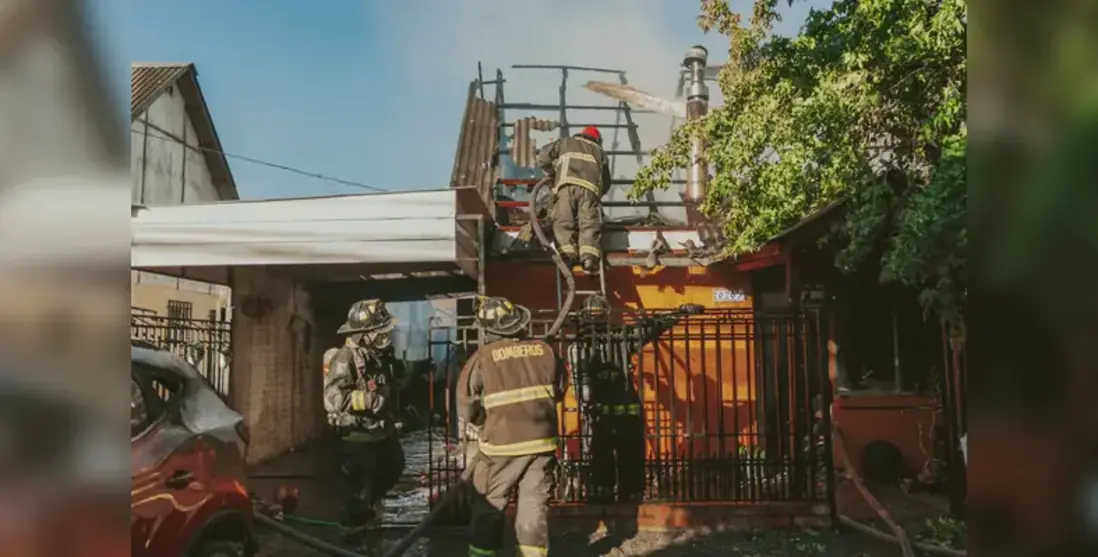
When the Great Fire of London destroyed more than 13,000 houses over five days in 1666, it reshaped the way cities approached construction and fire safety. The catastrophe led to England’s first comprehensive building regulations, banning thatched roofs and timber façades in favour of brick and stone, principles that continue to underpin fire safety standards worldwide.
More than three centuries on, experts say the lessons drawn from historic disasters remain embedded in modern building codes. Brian Michie, Managing Director of System Building Services, a UK-based specialist in passive fire protection, argues that contemporary fire safety systems are rooted in centuries of architectural experience.
“Every major fire throughout history has taught us something that is now embedded in building codes,” he said. “When we install passive fire protection systems today, we are applying principles discovered through trial, error and, unfortunately, tragedy.”
The evolution of fire regulation can be traced through a series of devastating urban blazes. The Great Chicago Fire prompted America’s first comprehensive municipal fire codes and mandated fire-resistant construction in city centres. The Great Fire of Hamburg led to the establishment of professional fire brigades in Germany and sweeping revisions to construction standards. Even earlier, the Southwark fire of 1212 resulted in London’s first recorded fire prevention ordinances.
One enduring principle is compartmentalisation. Medieval castle builders divided living quarters, kitchens and storage areas with thick stone walls, limiting the spread of flames even when timber interiors burned. This approach anticipated today’s fire resistance ratings, which measure how long structures can withstand intense heat.
Victorian warehouse districts further refined material strategy. Thick masonry party walls extended above roof level, internal brick divisions separated storage areas, and window openings between adjoining properties were minimised. The Factory Act of 1844 formalised many fire safety measures, including external iron fire escapes, demonstrating how regulation often followed disaster.
Historic urban planning also introduced firebreaks and spacing requirements. The 1667 Rebuilding of London Act specified minimum street widths and building separations to prevent flames leaping between structures — a concept still reflected in modern planning rules.
Examples of heritage fire-conscious design remain visible today, from Bristol’s 18th-century harbourside warehouses to Edinburgh’s New Town terraces and the masonry-separated kitchens of Hampton Court Palace.
Michie said the core lesson for modern construction is to integrate fire safety at the design stage. “Innovation builds on historical memory,” he noted. “The fire doors, cavity barriers and compartmentation systems we install today are sophisticated versions of strategies that have protected buildings for centuries.”
- Details
- Sania Aziz
- Industrial Insights
- Year: 2026
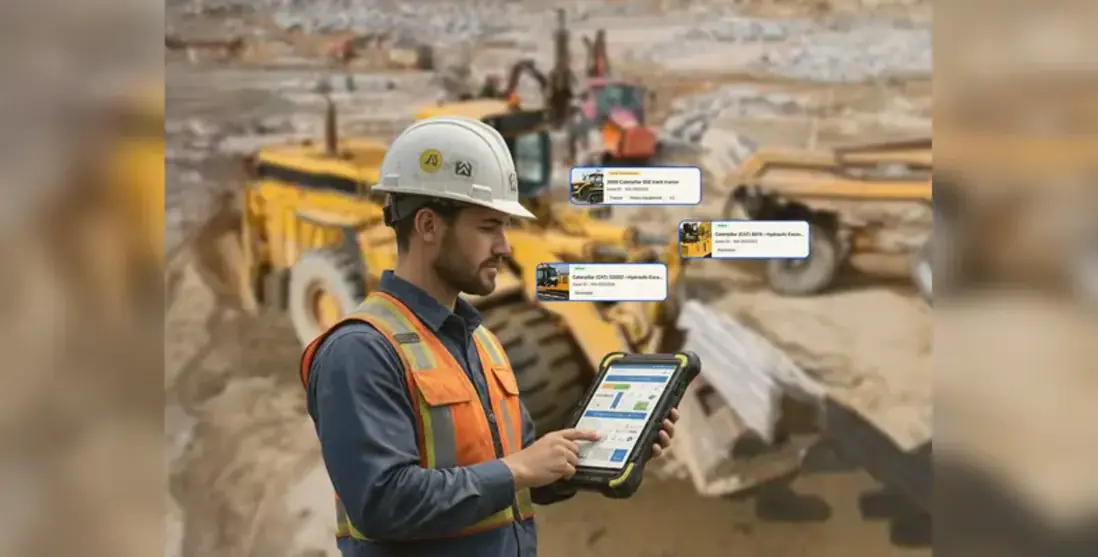
Technology firm Krank has introduced the Inspeq Platform, a modular operational layer designed to provide control-tower oversight of inspections, work order execution and fleet operations without replacing existing enterprise systems.
The platform is aimed at asset-intensive sectors including mining, construction, energy, utilities, insurance and heavy industry, where frontline teams face mounting pressure to maintain safe operations while improving efficiency. Despite widespread use of CMMS, EAM and ERP systems, many organisations continue to rely on fragmented, paper-based or disconnected inspection workflows, resulting in delayed reporting and slower decision-making.
Inspeq has been developed to bridge this operational gap. Rather than displacing established systems, it integrates with them, connecting frontline inspection activity directly to management in a unified, real-time environment. The platform consolidates inspections, work orders, site data and asset-level intelligence, enabling senior leadership to gain visibility across distributed operations without disrupting existing processes.
According to Khurram Mumtaz, Chief Technology Officer at Krank, the system was built around the realities of frontline conditions, including remote sites, harsh environments and limited connectivity. “We have developed the Inspeq Platform around what frontline teams need most on the job. It helps them catch issues faster, assign work instantly, and deliver the right insights to the right people at the right time,” he said.
A central feature of the platform is its Remote Work Orders capability, which allows senior inspectors or specialist technicians to conduct and supervise inspections remotely. Using live video calls, experienced personnel can guide on-site staff in real time, directing inspections and capturing high-definition images and video evidence. Findings are logged centrally as the inspection progresses, enabling reports to be completed remotely.
The approach is intended to maximise scarce technical expertise by extending oversight across multiple sites without requiring physical travel. Krank said the feature reduces travel costs, shortens inspection turnaround times and promotes consistent quality standards across geographically dispersed assets.
Inspection findings within Inspeq feed directly into live work order execution, ensuring that defects are addressed promptly and accountability is clearly assigned. Pre-start checks, maintenance schedules, discrepancy reporting and asset histories are consolidated within a single operational layer.
By sitting above existing enterprise systems, Inspeq aims to improve data accuracy, accelerate response times and reduce administrative burdens while supporting digital transformation without workforce retraining.
Krank said the platform was shaped by frontline feedback to create a scalable, mobile-first solution capable of aligning asset data, inspections and operational insight in real time.
- Details
- Sania Aziz
- Industrial Insights
- Date: 20th February 2026
- Year: 2026
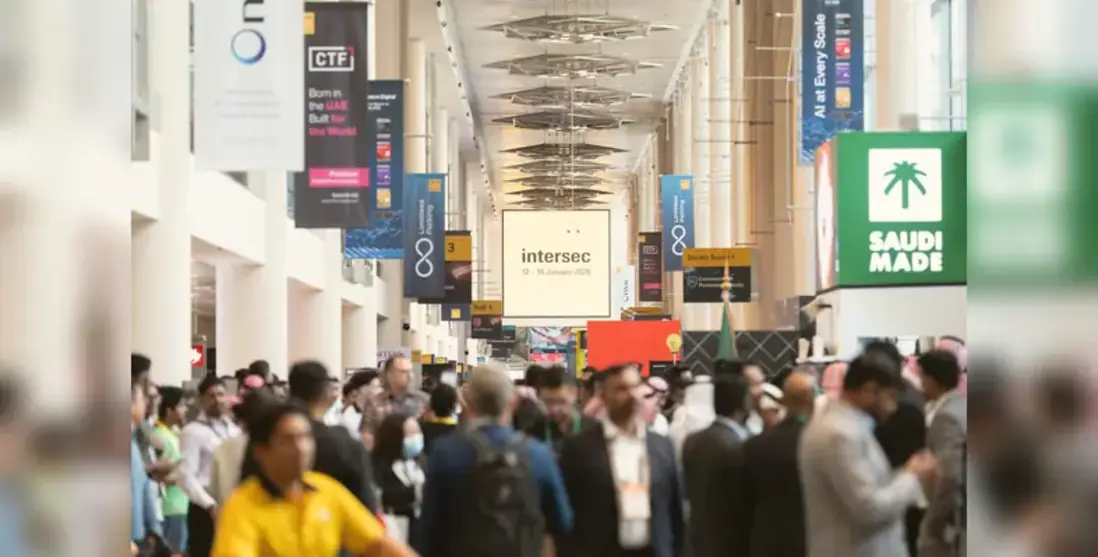
Intersec 2026, the world-leading exhibition for security, safety and fire protection, delivered its largest and most internationally diverse edition to date, welcoming 44,764 trade visitors from 151 countries.
The three-day event, held under the patronage of His Highness Sheikh Mansoor Bin Mohammed bin Rashid Al Maktoum, Chairman of the Dubai Ports and Borders Security Council, featured a 60/40 split of domestic and international attendees, reinforcing the event’s status as a global hub for regulators, government authorities, industry leaders, and solution providers.
Spanning over 65,000 sq m, the 27th edition hosted 1,180 exhibitors from 56 countries, including 10 international country pavilions. A comprehensive programme of 14 conferences and specialist features reflected the growing convergence of physical, digital and human safety, demonstrating Intersec’s role in shaping the future of resilience.
International participation accounted for 82% of exhibitors, led by established safety and technology markets such as the United States, China, France, Germany, Italy, Türkiye, and the United Kingdom, alongside high-growth economies including India and South Korea. The UAE remained the largest domestic exhibiting market, highlighting the country’s growing prominence in advancing security, fire protection, and safety standards through national initiatives that promote regulatory frameworks, technology adoption, and ecosystem resilience.
Exhibition sectors showcased next-generation technologies and integrated solutions across Homeland Security & Policing, Cybersecurity, Commercial & Perimeter Security, Fire & Rescue, and Health & Safety. Attendees experienced innovations addressing critical challenges including emergency response, cyber resilience, workforce safety, and infrastructure protection.
The 2026 edition also marked the launch of the Intersec Global identity, emphasising the platform’s evolution from national security to human-centred safety. From macro-level national resilience and cybersecurity to surveillance, fire, rescue and workplace wellbeing, Intersec Global demonstrated how its international ecosystem connects operational and human safety across sectors.
Dishan Isaac, Show Director of Intersec at Messe Frankfurt Middle East, said: “This edition represents a pivotal moment for the platform, with expanded scale and engagement from the global safety and security community. The Intersec Global identity reflects Dubai’s role as a hub for international collaboration, bringing together established markets and high-growth regions. From policy discussions to frontline operational challenges, the focus was firmly on resilience, readiness, and partnership.”
The Intersec Awards 2026 celebrated industry excellence, with 17 categories recognising leadership, innovation and impact. Khalid Mubarak of Dubai Municipality received the H.H. Sheikh Mansoor bin Mohammed bin Rashid Al Maktoum Emirati Rising Star Award, while Albadr Jannah of Saudi Aramco was named Industry Leader of the Year. Jazyah Aldossary, also from Saudi Aramco, won the Women Trailblazers in Security, Fire Safety and HSE award.
The event, supported by UAE authorities including Dubai Civil Defense and SIRA, will return from 12-14 January 2027 at the Dubai World Trade Centre, continuing to advance global safety, security, and resilience.
- Details
- Sania Aziz
- Industrial Insights
- Date: 18th February 2026
- Year: 2026
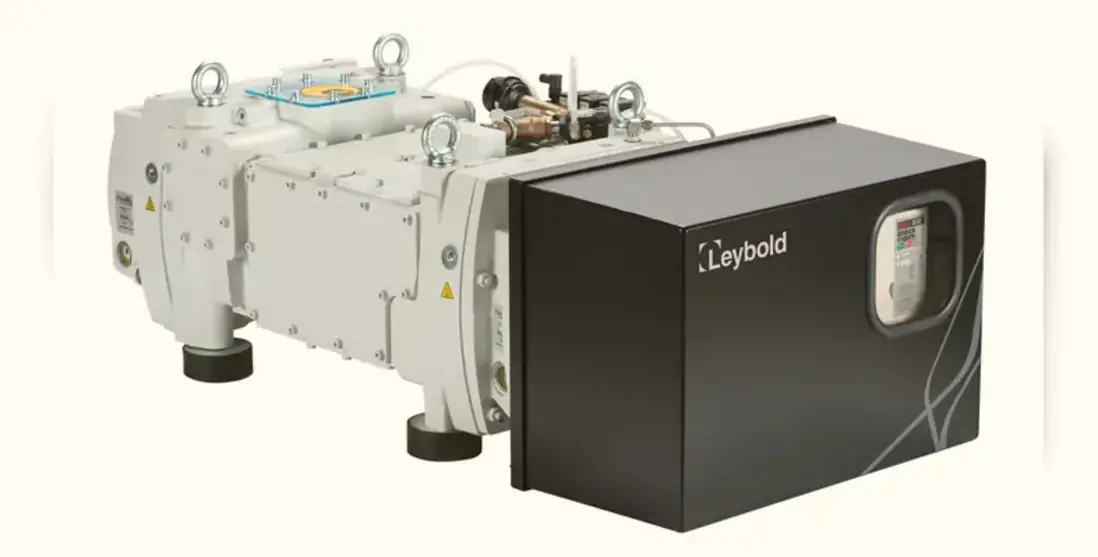
US-based speciality gas provider OE Meyer has strengthened operational safety and environmental performance after replacing oil-sealed vacuum systems with dry vacuum technology from Leybold.
Headquartered in Ohio, OE Meyer operates seven locations across the state and is fully owned by its 130 employees. Established in 1918, the company supplies industrial and speciality gases, welding accessories and automation solutions to customers in industry, agriculture, healthcare and gastronomy. Its operations include industrial and medical gas filling, as well as oxygen and inert gas cylinder filling.
The company introduced Leybold’s DRY screw vacuum pumps and oxygen-resistant VARODRY HD/O2 systems in January 2023, targeting improvements in safety, efficiency and cost control.
Previously, oil leaks from conventional vacuum pumps had posed operational challenges. According to Mitch Robinson from OE Meyer, oil leaks created slipping hazards and environmental risks, while oil changes cost around US$1,600 each. The maintenance requirements and contamination risks prompted the company to seek a more sustainable alternative aligned with modern safety and environmental standards.
Leybold’s dry-running technology eliminates the need for oil within the compression chamber, removing the risk of oil contamination and backflow. The VARODRY HD/O2 model is certified for oxygen-rich processes, making it suitable for medical oxygen filling applications and providing additional reassurance for operators working in sensitive environments.
Robinson said the transition has delivered tangible benefits. The new pumps have proven clean, ergonomic and efficient in day-to-day use, while integrating seamlessly into existing processes. The dry systems have also contributed to greater reliability and reduced downtime.
In addition, the switch to Leybold’s DRYVAC dry screw vacuum pumps has improved production performance and extended service life. By minimising contamination risks, particularly in demanding gas filling operations, the systems support higher production yields and consistent product quality.
OE Meyer estimates that the move has resulted in savings of approximately US$10,000 per year in PFPE oil consumption alone. A further US$10,000 in annual savings has been achieved by eliminating maintenance issues linked to oil changes. Despite initial concerns about the transition, the company reports that overall operational efficiency has increased, while the working environment has become cleaner and safer.
Robinson also highlighted positive experiences with Leybold’s service support, noting punctual maintenance visits and practical guidance. For example, changing a belt on the VARODRY system can be completed in around 15 minutes, enabling faster in-house servicing.
The upgrade reflects a broader shift among gas suppliers towards dry vacuum solutions that enhance safety, environmental protection and long-term cost efficiency.

- Details
- Sania Aziz
- Industrial Insights
- Date: 17th February 2026
- Year: 2026
In its recent white paper, The State of Global Sustainability Disclosures, Sprih Inc. analysed more than 200,000 reports from over 80,000 companies worldwide, creating one of the largest repositories of corporate sustainability data ever assembled. The findings show that sustainability reporting is no longer a fringe exercise.Yet comparability and consistency remain mainly out of reach for many businesses.
According to Sprih, this is where artificial intelligence must move from being a reporting tool to becoming the backbone of ESG intelligence.
Increasing visibility
The white paper, powered by SustainSense, Sprih’s climate AI engine, reveals a paradox. Disclosure rates for Scope 1 and Scope 2 emissions are relatively mature across many regions and sectors and near-term targets are widely adopted. Energy consumption is commonly reported in aggregate.
Yet when we move beyond headline figures, fragmentation becomes obvious.
Scope 3 emissions, which are often the largest share of a company’s footprint, remain inconsistently disclosed. Water reuse and rainwater harvesting data are scarce and waste categorisation varies widely. Smaller firms, particularly those under US$100mn in revenue, lag significantly in both completeness and consistency.
The paper explains that without standardisation, sustainability disclosures risk becoming a patchwork of narratives rather than a coherent dataset. This makes investors struggle to benchmark risk, while regulators face uneven compliance landscapes. Moreover, procurement leaders lack visibility across supply chains and executives are left navigating strategy with incomplete maps.
But AI can help change this equation.
Teaching machines the language of sustainability
One of the most powerful insights from the white paper is methodological. SustainSense does not merely collect documents; it extracts, classifies, validates and normalises data across languages, formats and reporting frameworks. In other words, it teaches machines to understand sustainability.
This matters because ESG data is not structured by default. It sits inside PDFs, integrated annual reports, regulatory filings and standalone sustainability documents. Terminology can differ across jurisdictions and definitions evolve. Units can vary and even the placement of data within reports is inconsistent.
Agentic AI architectures, as described in the paper, create a structured layer on top of this chaos. They identify emissions figures, distinguish between location-based and market-based Scope 2 data, harmonise water metrics and align targets to recognised definitions such as near-term, long-term and net zero.
The result is not just a larger dataset, but a comparable one.
When thousands of disclosures are translated into a common analytical framework, patterns emerge. Europe’s leadership in comprehensive target-setting becomes quantifiable. Asia’s relative lag in Scope 3 transparency becomes measurable. The maturity gradient between large enterprises and SMEs becomes visible at scale.
According to Sprih, this is not anecdotal ESG, but rather "it is systemic ESG intelligence."
A strategic asset
For many companies, sustainability reporting continues to feel like a compliance obligation. But the white paper offers some hope.
Executives can use AI-driven benchmarking to understand where their disclosure quality signals strength – or exposes weakness. Investors can assess governance resilience by examining not just target announcements, but the consistency of underlying metrics. Regulators can identify sectors where harmonisation efforts must intensify.
Crucially, AI can also surface blind spots. The analysis shows that while total energy consumption is widely reported, the breakdown between renewable and non-renewable energy is less consistent. Water withdrawal is commonly disclosed, but treatment and reuse metrics are rare. Waste generation is more visible than circularity performance.
These gaps, it seems, are not simply technical. They represent risk. In a climate-constrained world, incomplete value-chain data or poor resource visibility translates into financial exposure. AI could help transform ESG into static into dynamic risk management.
Better AI systems
Perhaps the most compelling idea in the white paper is the call for a global climate intelligence layer. If corporate disclosures are the raw material, AI is the infrastructure that makes them usable.
Imagine a landscape where investors can benchmark Scope 3 intensity across sectors in seconds; where procurement teams can map supplier emissions maturity; where policymakers can evaluate regional adoption of net-zero commitments with precision rather than estimates. Sprih says that this is not speculative, as it is already emerging.
However, the technology community must recognise that scale alone is insufficient. AI systems must be transparent, auditable and continuously learning. They must adapt as reporting frameworks evolve and new regulatory requirements emerge. They must balance automation with validation to ensure trust.
Equally, companies must view AI not as a shortcut to green credentials, but as a tool for accountability. The question for the market is no longer whether AI will shape ESG. It is whether organisations are ready to operate in a world where sustainability performance is no longer hidden in footnotes, but illuminated by intelligence at scale.
- Details
- Sania Aziz
- Industrial Insights
- Date: 16th February 2026
- Year: 2026
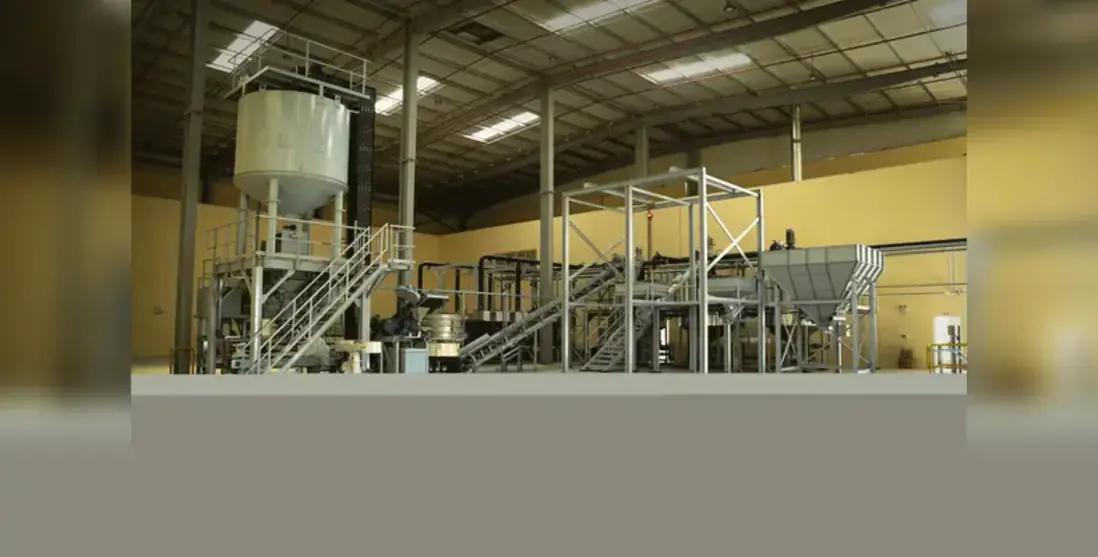
Amarak Chemicals FZC, an associate company of the Aries Group of Companies, has begun operations at a fully automated sulphur manufacturing facility at Jebel Ali Free Zone (Jafza) in Dubai, aiming to strengthen the supply of sulphur-based agricultural inputs to global markets.
The new plant will produce up to 60,000 metric tonnes per year of sulphur bentonite and other sulphur-allied products for the international agriculture sector. Designed with advanced digital process controls, the facility is fully automated to enhance productivity, operational precision and operator safety.
The facility was inaugurated by Shri B. G. Krishnan, Consul (Economic, Trade & Commerce), Consulate General of India, Dubai, in the presence of Saoud AlAwadhi, Director – Sales, Jafza, and members of the Aries Group board. Customers from seven countries attended the launch and signalled their intention to enter into long-term supply agreements, underlining rising global demand for agricultural inputs that promote soil health, crop yields and sustainable farming practices.
Abdulla Al Hashmi, COO, Parks & Zones, DP World GCC, said the development reinforces Jafza’s position as a key hub for chemicals and agribusiness. “The new sulphur manufacturing facility by Amarak Chemicals is a valuable addition to our growing chemicals sector, enhancing our ability to serve customers across the region and beyond. By improving access to essential agricultural inputs, this facility will help support farmers and strengthen food supply chains,” he said.
Amarak currently exports to more than 18 countries across South America, Asia-Pacific and other regions, including Brazil, Australia and New Zealand. The Jafza facility is expected to improve the company’s responsiveness to global demand by leveraging integrated logistics and consolidated production from a single hub.
The plant also benefits from the India-UAE Comprehensive Economic Partnership Agreement (CEPA), which enables duty-free exports from the UAE to India. Amarak said this framework allows it to scale up UAE-based manufacturing while serving Indian and other international markets more competitively.
Dr. Rahul Mirchandani, Group Chairman of the Aries Group of Companies, said the investment reflects the company’s long-term strategy to expand its global footprint in agricultural inputs. He noted that Jafza’s infrastructure and connectivity reduce logistics costs, shorten time to market and support expansion into key geographies.
Amarak has also secured long-term partnerships with leading sulphur suppliers in the UAE to ensure raw material security, consistent quality and uninterrupted supply, signalling deeper industrial collaboration between India and the UAE.
- Details
- Sania Aziz
- Industrial Insights
- Date: 13th February 2026
- Year: 2026
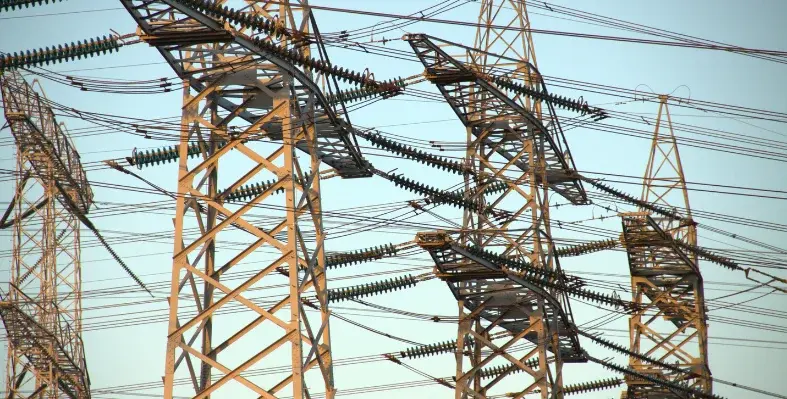
Oman Electricity Transmission Company (OETC) has reached a major safety milestone, exceeding 70 million safe manhours without any lost time injuries (LTIs), according to Omanet.
The achievement reflects the combined efforts of its teams, strong stakeholder partnerships, and a sustained commitment to preventive safety measures.
OETC’s success underscores its dedication to maintaining the highest standards in Quality, Health, Safety, Security, and Environment (QHSSE) while fostering a robust safety culture across operational sites and key projects throughout Oman. The company attributes this accomplishment to ongoing initiatives that include comprehensive training, engagement programmes, and adoption of global best practices in occupational health, safety, and risk management.
Fahad Nasser al Kiyumi, General Manager of QHSSE at OETC, said the milestone is built on close collaboration among stakeholders. He emphasised unified standards, knowledge sharing, and collective compliance with safety protocols, supported by advanced digital systems to track performance, manage incidents, and monitor worksites. Regular inspections and awareness campaigns reinforce these measures, enhancing operational efficiency, accelerating project delivery, and promoting transparency and continuous improvement.
Innovation and digital transformation also play a key role, with smart technologies enabling risk analysis, advanced inspections, and proactive prevention rather than reactive emergency response. Through these efforts, OETC continues to safeguard all stakeholders while supporting operational sustainability and organisational performance.
“Reaching over 70 million safe manhours is a major milestone on our path to creating a zero-incident workplace,” Al Kiyumi stated. “It demonstrates the unwavering commitment of our employees, contractors, and stakeholders to quality, health, and safety as fundamental values. We remain dedicated to prioritizing everyone’s safety and will continue to enhance our systems, strategies, and programs, raise awareness, and apply the highest international standards to ensure a safe and sustainable working environment for all.”