





Sidebar

cc.web.local

Latest News


  • Vodafone Qatar strengthens workplace health and safety culture

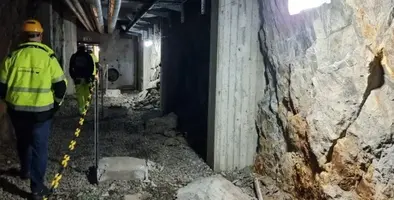
    In the rapidly evolving telecommunications sector, where infrastructure, technology, and people are deeply interconnected, a strong health and safety (H&S) culture is essential. Vodafone Qatar places significant emphasis on building a resilient, proactive approach to safety, positioning it as a key driver of operational excellence and employee well-being.

    Across its corporate offices and retail outlets, Vodafone Qatar has developed a structured H&S framework that extends beyond basic compliance. The company fosters a culture where safety is embedded into everyday operations and business practices. Its leadership actively drives safety initiatives, supported by strict risk management systems and ongoing employee training and wellbeing programmes, positioning the organisation as a benchmark for occupational safety in the industry.

    Vodafone Qatar continues to advance its health and safety agenda through focused programmes centred on regulatory compliance, risk management, employee and contractor engagement, and overall health and wellbeing. Its structured approach ensures a safe working environment for employees, contractors, and visitors alike.

    The company regularly conducts Hazard Identification and Risk Assessments (HIRA) to proactively address potential risks, alongside internal safety audits to ensure continuous compliance with established protocols.

    Vodafone Qatar adheres to both international and local regulations, as well as Vodafone Group’s global safety standards.

    Employees and partners are guided by Vodafone’s internal '8 Absolute Safety Rules,' which cover critical areas such as safe driving, electrical safety, working near underground and overhead utilities, working at heights, and handling hazardous substances, ensuring a strict, zero-compromise approach to safety.

    Vodafone Qatar has also recently recieved the International Organisation for Standardisation (ISO 45001:2018) Occupational Health and Safety Management Certification. This recognition reflects its strong performance in leadership, planning, operational control, and continuous improvement, supported by a deeply rooted safety culture.

    Employee involvement remains central to the company’s safety strategy. Vodafone Qatar promotes active participation through learning and development initiatives and ongoing cultural engagement. A comprehensive training programme includes mandatory 'Doing What’s Right' (DWR) sessions, onboarding inductions, and emergency preparedness training such as fire marshal duties, basic life support, and first aid. The company conducted 18 health and safety activities involving around 1,000 employees.

    Wellbeing is also a key focus area, with initiatives addressing both mental and physical health. Regular health seminars cover topics such as stress management and nutrition, while CSR initiatives include flu vaccination drives and blood donation campaigns. Internal sports activities such as padel, football, and cricket further encourage physical fitness.

    Vodafone Qatar also integrates digital safety technologies for real-time monitoring and reporting, alongside ongoing workplace assessments to reduce risks and prevent long-term injuries, reinforcing its commitment to a safe and healthy work environment.

    Read more: www.vodafone.qa


Understanding when fires occur is as critical as knowing where they happen, with timing data revealing clear patterns linked to daily routines, seasonal behaviour and environmental conditions. New analysis by UK-based passive fire protection specialist System Building Services Limited (SBS Limited) highlights specific hours, months and locations where fire risk is significantly higher.

SBS Limited analysed national Fire and Rescue Service incident data from 2024/2025 across England to identify temporal and seasonal trends. The study examined three key variables: time of day, month of the year and type of location, aggregating incidents and calculating their proportion of total fires to support more targeted fire prevention strategies.

The analysis shows that fire incidents peak during the early evening. The single highest-risk hour is between 19:00 and 20:00, accounting for 8.99% of all incidents, closely followed by 18:00–19:00 at 8.95% and 17:00–18:00 at 8.40%. Combined, the three-hour window between 17:00 and 20:00 represents more than a quarter of all fires recorded nationally.

Fire risk continues to remain elevated until late evening, with the period from 16:00 to 22:00 accounting for the majority of daily incidents. In contrast, early afternoon hours see significantly fewer fires, with incidents between 13:00 and 14:00 accounting for just 4.47% of the total.

“The evening spike in fire incidents aligns closely with when most people return home from work and begin cooking, using heating systems, and engaging in other routine activities,” said Brian Michie, Managing Director at SBS Limited.

“This time period combines multiple risk factors: increased use of cooking equipment, heating appliances being switched on as temperatures drop, and more people present in buildings. Understanding these patterns allows both individuals and organisations to heighten their awareness during peak risk hours.”

Seasonal analysis reveals that August records the highest number of fires of any month, with 16,679 incidents, representing 11.71% of the annual total. Other summer months also feature prominently, with June and July together contributing nearly 20% of incidents. Overall, the three summer months account for more than 31% of all fires recorded during the year.

March ranks as the second-highest month for fire incidents, while November also shows elevated figures, creating secondary peaks during seasonal transitions. Winter months record the lowest incident rates overall, despite increased use of heating systems.

“The summer spike can be attributed to several factors: dry weather conditions increasing outdoor fire risk, more people using barbecues and outdoor cooking equipment, and longer daylight hours meaning more outdoor activity,” Michie explained.

“The March peak likely reflects the transition from winter heating systems, combined with spring weather patterns that can create dry conditions. November's elevated numbers coincide with Bonfire Night and the start of increased heating use as temperatures drop.”

Location data highlights that refuse-related fires dominate national statistics. Fires involving refuse containers, refuse sites and waste storage account for more than 31% of all incidents, significantly exceeding any other single category. Dwellings account for 17.78% of fires, while grassland, woodland and crop fires represent 15.32%.

When combined, outdoor and secondary fires account for nearly 59% of all incidents, compared with just over 18% occurring in residential properties.

“The high incidence of refuse-related fires highlights a significant but often overlooked risk area,” said Michie. “Many of these fires are preventable through proper waste management, secure storage of flammable materials, and regular clearance of combustible waste.”

Summarising the findings, Michie said the data provides clear guidance for targeted prevention efforts.

“These patterns reveal that fire risk follows predictable rhythms tied to how we live and interact with our environment. What this data provides is actionable intelligence for fire prevention, allowing awareness and resources to be focused where they can have the greatest impact.”


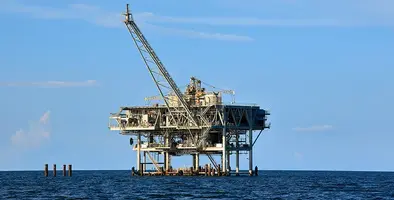
IntrospeXion, a specialist consultancy firm providing mental health and wellbeing support to offshore and energy workforces, is expanding into the Middle East

The company, led by experienced psychologists and mental health practitioners, will now deliver its behavioural risk and wellbeing consultancy services to clients in the Middle East following the award of new contracts.

Working with regional-specific supply chain and service companies, IntrospeXion will provide a range of support, including on-site mental health hubs and drop-in clinics, audits and assessments, and leadership coaching to top-level energy executives. IntrospeXion will also help new clientele working in complex and demanding environments, such as offshore, to ensure they have direct access to mental health support.

The expansion into the Middle East represents IntrospeXion’s continued growth since first entering the market, demonstrating how companies are increasingly looking to prioritise the wellbeing of their employees to bolster resilience, support teams, and embed psychologically safe practices within safety cultures.

Shabnum Hanif, IntrospeXion’s founder and managing director, commented, “In the energy and offshore industry, HSE and employee wellbeing isn’t limited to the physical risks that they encounter on-site; it's about a holistic approach that encompasses mental health and welfare. When we take care of every risk our people face, we are placing the industry in the best position to push forward. While visiting contacts in the Middle East, it was evident that there was a clear recognition that caring for and investing in people is an integral part of business growth, but that there aren’t always accessible or manageable resources to utilise.

“By moving into the Middle East market, we can provide that resource. Tackling offshore operations and internal mental health policies and frameworks, we are determined to keep demonstrating that wellbeing is not a “nice to have” but rather that it should be ingrained within the operational infrastructure. We are confident that we can help make a difference in the region.”

The global industrial safety products market is undergoing a fundamental shift as industries move beyond basic compliance towards more intelligent, preventative safety strategies.

Driven by advances in digital technologies and stricter regulatory frameworks, the sector is evolving into a critical enabler of operational performance.

Valued at US$17.67bn in 2026, the market is projected to reach US$34.96bn by 2036, expanding at a compound annual growth rate of 7.1%. This growth reflects increasing demand for solutions that not only protect workers but also actively reduce the likelihood of incidents.

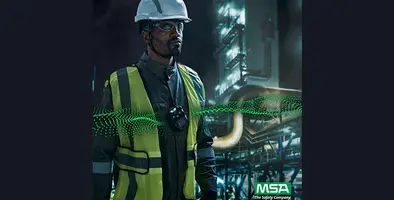
At the centre of this transformation is the adoption of connected personal protective equipment (PPE), real-time compliance monitoring and ergonomically designed safety systems. These technologies are enabling organisations to shift from reactive safety models to predictive approaches, where risks can be identified and mitigated before they escalate.

One of the strongest trends shaping the market is the integration of ergonomic design with digital compliance tools. Equipment embedded with sensors or RFID capabilities allows supervisors to monitor usage and adherence to safety protocols in real time. This combination of comfort and accountability is proving essential in improving worker adoption, particularly in high-risk industries where non-compliance remains a persistent challenge.

In parallel, the rise of Industrial Internet of Things (IIoT) technologies is redefining hazard detection. Modern safety systems now incorporate interconnected sensors capable of tracking environmental and operational risks such as gas leaks, heat exposure and proximity to machinery. These systems can trigger automated responses when thresholds are exceeded, enhancing safety outcomes across sectors including oil and gas, mining and heavy manufacturing.

Sustainability is also emerging as a key consideration. As environmental, social and governance (ESG) requirements become more stringent, manufacturers are increasingly turning to recyclable materials and bio-based alternatives for safety equipment. This shift is particularly relevant for high-volume items such as gloves and high-visibility clothing, where reducing environmental impact without compromising durability is a growing priority.

Regionally, the United States continues to play a leading role, supported by strong regulatory enforcement and rapid uptake of digital safety technologies. However, the fastest growth is expected in emerging industrial markets. India is forecast to record the highest expansion rate through 2036, driven by large-scale infrastructure and manufacturing development, while China is also advancing steadily as it transitions towards more technologically sophisticated production environments. Germany remains a hub for innovation, particularly in precision-engineered machine safety and specialised protective solutions.

As the industry evolves, safety products are increasingly viewed not as a compliance cost but as a strategic investment. The convergence of PPE, detection systems and software platforms into integrated safety ecosystems is enabling organisations to enhance efficiency while safeguarding their workforce.

With continued innovation in connected technologies and advanced materials, the industrial safety market is set to play a central role in shaping the future of safe, resilient and high-performing industrial operations.


What makes us different?

Connecting Innovation, Expertise, and Collaboration for a Safe and Sustainable Future.

icon

Our Mission

We create products that transform how people and industries deliver their HSE function. Whether delivering cutting edge content, fostering collaboration, or building connections, we thrive at the intersection of government, industry, and innovation.

icon

Our Approach

As a leader in global HSE strategy and communication, we tap into our international network of experts to address key challenges. Through research and collaboration, we provide insights that help businesses navigate a rapidly evolving market.

icon

Our Purpose

We act as independent influencers, championing innovation, collaboration, and evolving industry HSE standards. By fostering dialogue and partnerships, we contribute to the safe, efficient, and sustainable growth of Health, Safety and Environmental Sustainability.

Upcoming Events

RECOMMENDED VIDEOS

 
Safestart Webinar
 
Brady Webinar
 
SafeStart Event
 
Zero Incident Framework Panel: Oman HSE Forum
 
Environmental Footprint Keynote: Oman HSE Forum

Join Our Community

Logo
Logo
Logo
Logo
Logo
Logo
Logo
Logo
Logo
Logo
Logo
Logo

INSIGHTS FROM INDUSTRY LEADERS ON HSE

Testi Logo

"Attending HSE MENA was invaluable, offering a platform to advance HSE standards in offshore sectors through insights and best practices."

Senior Executive of Health and Safety
Testi Logo

"A very well-organized and professionally managed event with great insights and discussions that will benefit the industry."

Director HSSE Department
Testi Logo

"We gained valuable knowledge that will enhance our business and operations, with key takeaways that can help save lives and improve safety standards."

QHSE Manager
Testi Logo

"Highly informative and well-organized, featuring engaging speakers and insightful discussions. The topics covered were highly relevant, making it a truly great experience."

SHEQ Manager
Testi Logo

"Thanks for the opportunity to present at this event. It was well-organized with great discussions and networking—a pleasure to be part of it."

Associate Director HSE
Testi Logo

"Strong audience-presenter communication, structured topics, and AI in HSE were key in helping organizations enhance safety and efficiency."

HSES
Testi Logo

"A great event with excellent presenters and strong engagement from attendees. The sessions were insightful and well-structured, making it a truly valuable experience."

Director of Health, Safety and Welfare
Testi Logo

"A great experience with insightful presentations, meaningful discussions, and excellent networking opportunities. Already looking forward to next year’s edition!"

Snr Manager - Project HSE

Please enter the email address for your account. A verification code will be sent to you. Once you have received the verification code, you will be able to choose a new password for your account.