North America
North America

- Topic: HSE
- Region: North America
- Date: 27th March 2026
- Year: 2026
The U.S. Department of Labor's Occupational Safety and Health Administration (OSHA) has introduced new initiatives designed to enhance workplace safety and health
They include the Safety Champions Program, a new cooperative initiative designed to help employers develop and implement effective safety and health programmes.
The Safety Champions Program has a focus on proactive prevention and continuous improvement to prevent workplace injuries, illness and fatalities. It emphasises seven key elements: management leadership, worker participation, hazard identification, prevention and control, education and training, program evaluation, and communication. By incorporating these elements, employers can create safety and health programs that not only meet regulations but also enhance workplace safety and health.
The programme has three progressive levels, each aligned with OSHA's recommended practices for safety and health programmes. This structure is designed to allow employers to build their safety and health programmes over time and adopt best practices tailored to their needs and operations.
On completion of all three levels of the Safety Champions Program, participants are expected to have implemented all seven elements and show plans for continuous improvement of their safety and health programmes, thus demonstrating their commitment to maintaining a safe and healthy work environment.
"The Department of Labor's new Safety Champions Program exemplifies the Trump Administration's commitment to supporting and empowering job creators," said U.S. Secretary of Labor Lori Chavez-DeRemer. "By providing employers with these resources, we are putting American workers first and keeping them healthy and safe on the job."
Another new initiative is the OHSA Cares initiative, designed to help businesses meet federal requirements as well as building more effective safety and health programmes that benefit both employers and workers. It is aimed at supporting small and medium sized business in particular, strengthening collaboration between businesses and OSHA by increasing access to OSHA experts and compliance assistance specialists, improving access to educational and training materials, and offering consistent workplace assistance during enforcement visits and meetings.
The agency’s Directorate of Enforcement Programs is also launching a training programme that will standardise how the agency's compliance safety and health officers will offer real time assistance during inspections and enforcement activities.
- Date: 25th March 2026
- Year: 2026
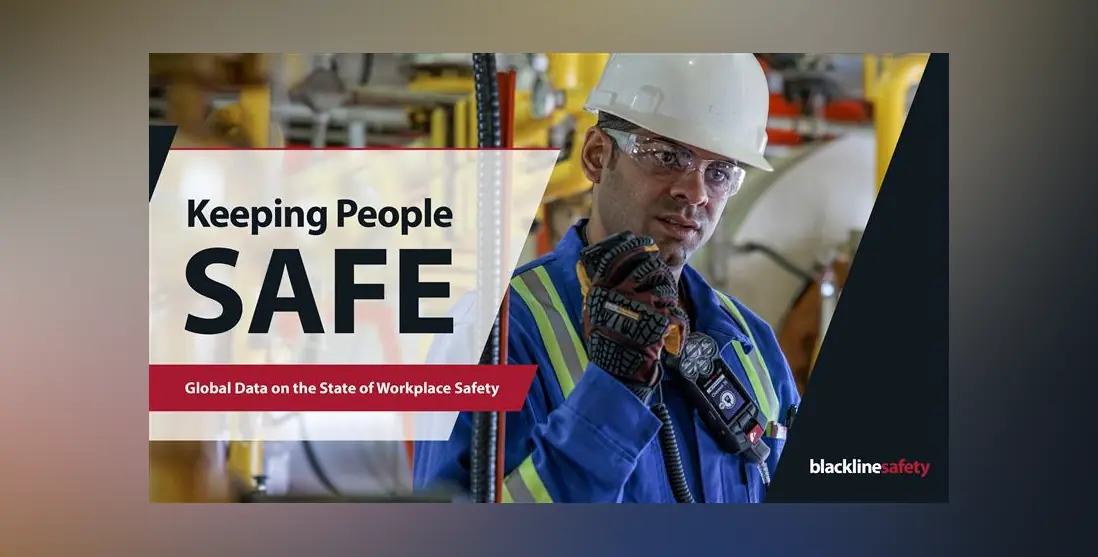
Global organisations are increasing investment in workplace safety as injury rates remain persistently high, according to new research commissioned by Blackline Safety.
The study, conducted by NewtonX, surveyed 200 senior safety and operations professionals from companies with more than 500 employees. Findings show that 95% of safety leaders plan to sustain or increase spending over the next two years, reflecting growing concern over the scale of work-related incidents worldwide.
The results, published in the report Keeping People Safe: Global Data on the State of Workplace Safety, highlight a continued disconnect between safety strategies and on-the-ground practices. While 97% of respondents agree that strong safety performance underpins productivity, nearly two-thirds (64%) reported a gap between established protocols and actual worker behaviour.
Industry experts suggest that this divide is driven by fragmented systems, where people, processes and technology are not fully aligned. In many cases, safety frameworks are designed without sufficient input from frontline operations, limiting their effectiveness in real-world environments.
Christine Gillies, chief product and marketing officer at Blackline Safety, said the findings point to a shift in how organisations approach safety management. She noted that companies are increasingly moving beyond compliance-driven models towards integrated systems that embed safety into core operations.
The report identifies training and workforce engagement as top priorities for investment, cited by 46% and 41% of respondents respectively. Infrastructure upgrades to reduce risk, adoption of new technologies and internal advocacy for safety also feature prominently among budget allocations.
However, the research indicates that simply increasing training volume is not enough. Nearly one-third of respondents emphasised the importance of more relevant, continuous and interactive training programmes that foster trust and encourage two-way communication between workers and management.
Technology is also playing a growing role in shaping safety outcomes. Many organisations are deploying tools such as personal protective equipment, communication devices and digital monitoring systems. Yet confidence in these measures remains mixed, with only 36% of workers expressing strong trust in existing safety tools and procedures.
Artificial intelligence is expected to become a key enabler in the coming years. Around 65% of safety leaders anticipate wider adoption of AI-driven risk prediction tools, particularly in areas such as data analytics, training simulations and predictive risk management.
Despite these advances, the report highlights a missed opportunity in proactive risk prevention. While most organisations review incident reports, only a third are actively using predictive analytics to identify and mitigate potential hazards before they occur.
The findings underscore the need for a more integrated and forward-looking approach to workplace safety, combining technology, training and data to reduce risks and improve outcomes.

The U.S. Occupational Safety and Health Administration (OSHA) has issued new guidance on how work-related injuries linked to rechargeable lithium-ion batteries should be documented on OSHA Forms 300, 301, and 300-A.
The clarification comes amid increasing use of lithium-ion batteries across workplaces and their associated safety risks.
According to the letter of interpretation, any injury caused by a lithium-ion battery that meets the general recording criteria outlined in Section 1904.7 of OSHA’s Recording and Reporting Occupational Injuries and Illnesses standard must be recorded on the agency’s logs. This guidance reinforces the importance of accurate recordkeeping for workplace incidents involving energy storage devices.
Lithium-ion batteries, commonly used in personal electronics, tools, and industrial equipment, can present significant hazards. Potential risks include fires, explosions, and chemical exposure, which can occur during manufacturing, daily use, emergency response, disposal, or recycling. The letter underlines that awareness of these hazards is critical for employers aiming to maintain safe workplaces.
To mitigate risks, OSHA recommends a range of safety measures. These include implementing controls during battery design and production, ensuring proper ventilation, storing batteries in cool and dry conditions, monitoring storage areas for flammable or toxic gases, and using designated recycling facilities. Employers are also advised to provide safety showers and eyewash stations when employees handle battery materials.
A Letter of Interpretation represents OSHA’s official response to questions about how its regulations apply to specific workplace scenarios. While these letters do not create new obligations for employers, they offer an authoritative explanation of existing requirements and guidance on compliance. Stakeholders can use them to better understand federal standards, regulations, and Section 5(a)(1) of the Occupational Safety and Health Act.
The issuance of this letter follows the launch of OSHA’s opinion letter programme in June, designed to provide clearer compliance guidance for employers and workers. The initiative expands the department’s commitment to offering practical advice that addresses real-world workplace hazards.
OSHA encourages the public to access the new opinion letters portal, where past guidance can be reviewed and new requests submitted. Each submission is assessed at OSHA’s discretion, with priority given to questions that address broader workplace safety concerns.

New York City has introduced new construction safety requirements that expand mandatory training to include mental health and wellbeing, highlighting how local regulations can go beyond federal workplace safety standards.
While the US Occupational Safety and Health Act establishes baseline requirements for workplace safety nationwide, employers are required to comply with additional state and municipal rules where they apply. From 1 January 2026, amendments to the New York City Building Code have come into force, adding compulsory training on mental health and wellness, suicide risk and prevention, and alcohol and substance misuse to the city’s Site Safety Training (SST) framework.
Under the New York City Building Code, most workers and supervisors operating on certain construction and demolition sites must hold a valid SST card. The requirement applies specifically to projects that require a Site Safety Plan or the appointment of a Site Safety Professional. To obtain an SST card, individuals must complete a minimum of 40 hours of approved training covering a range of safety-related subjects.
The latest amendment expands those minimum training requirements by formally incorporating mental health education. The change reflects growing recognition of the role mental health plays in construction site safety, particularly in a sector associated with high stress, long working hours and elevated injury and fatality risks.
Alongside broadening training content, the revised rules also introduce greater flexibility around SST card renewals. Previously, expired cards required workers to complete the full training process again. Under the updated framework, SST cards can now be renewed up to one year after expiry, provided that the required SST credits were completed within the 12 months preceding the expiration date and that the renewal application is submitted within the permitted timeframe.
For employers operating in New York City, the changes carry immediate compliance implications. Companies are expected to review existing training programmes and confirm that their approved SST providers offer mental health courses that meet the updated city requirements. Failure to comply could expose employers to enforcement action or civil penalties under the building code.
The amendment also serves as a broader reminder for employers beyond New York City. While federal safety legislation provides a common foundation, state and local authorities retain the power to impose more stringent obligations. Regular reviews of regional regulatory requirements are therefore essential, particularly for organisations operating across multiple jurisdictions.
As mental health becomes an increasingly prominent component of occupational safety strategies, New York City’s approach may influence other cities and states considering similar updates to construction safety regulations.
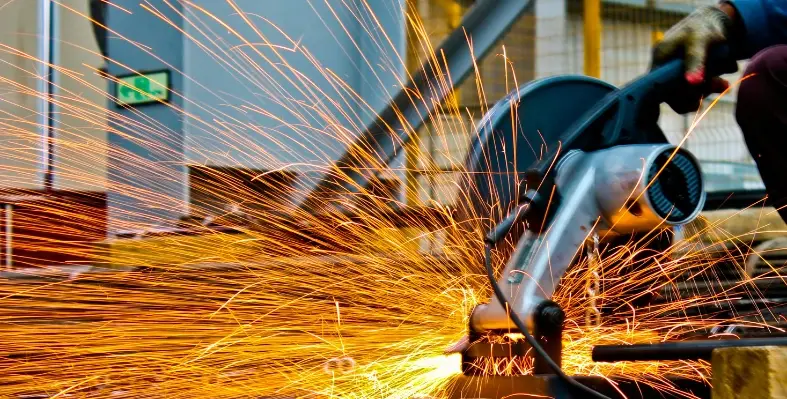
The U.S. Department of Labor has unveiled a federal initiative aimed at expanding registered apprenticeship programs in advanced manufacturing, with the goal of enhancing workforce training and promoting safer job performance in high-risk industrial sectors, according to Occupational Health & Safety.
The programme, administered through the department’s Employment and Training Administration, encourages employers to create and expand apprenticeship pathways that prepare workers for skilled manufacturing roles.
These roles often involve operating complex machinery, handling hazardous materials, and performing safety-sensitive tasks, where comprehensive training is critical to preventing workplace injuries and illnesses.
Labor officials said the initiative will prioritise structured, competency-based training combining paid on-the-job learning with classroom instruction. Core elements of these apprenticeship programs include safety fundamentals, hazard recognition, and regulatory awareness, ensuring workers are prepared before undertaking high-risk tasks.
“From an occupational health and safety perspective, expanded apprenticeship opportunities can help reduce workplace incidents by providing employees with consistent, standardised training,” the publication noted.
Manufacturing is considered one of the nation’s more hazardous industries, and safety advocates have long highlighted gaps in training as a key contributor to accidents and near misses.
The department also highlighted that the initiative aims to strengthen the talent pipeline for manufacturers while fostering safer and more resilient workplaces. Employers participating in the program are encouraged to align training with industry standards and evolving safety requirements, ensuring workers remain equipped to meet the demands of modern manufacturing environments.
Officials described the initiative as part of a broader strategy to invest in workforce development while reinforcing protections for employees entering demanding industrial settings. By combining skills development with safety-focused education, the program is expected to support both operational efficiency and a culture of workplace safety across the manufacturing sector.
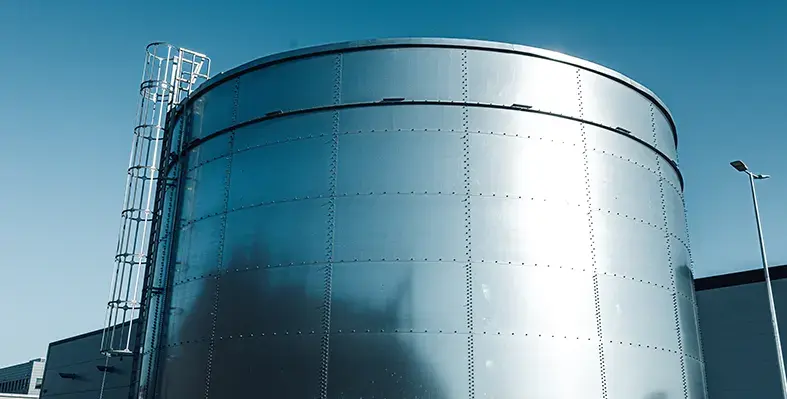
Sherwin-Williams Protective & Marine has won two energy industry awards for its next-generation industrial thermal insulative system Heat-Flex Advanced Energy Barrier (AEB), which not only offers excellent thermal efficiency but also eliminates costly and dangerous corrosion under insulation (CUI)
They include a 2025 Gulf Energy Information Excellence Award for Best Coating/Corrosion Advancement Technology and a 2025 Vaaler Award from Chemical Processing. The Gulf Energy Information Excellence Awards recognise the energy industry’s leading innovations and thought leaders, while the Vaaler Awards, established more than 50 years ago by Chemical Processing, recognise products and services that dramatically improve the operations and economics of chemical processing plants.
Heat-Flex AEB works by building a thick film of highly insulative material on to assets required to maintain operating temperatures up to 350°F (177°C), with excursions to 400°F (204°C). The thermal insulative system retains process heat inside the applied assets, allowing them to continue operating even in extreme environments. It also reduces burn risk for employees working in close proximity to hot assets.
The thermal insulative system rivals the in-service thermal performance of traditional mineral-based insulation systems, due to their tendency to absorb and trap moisture that infiltrates their exterior cladding. This moisture dramatically reduces the insulating capacity of the insulation and contributes to the acceleration of CUI. Heat-Flex AEB maintains thermal consistency and will remain at that same level of insulating capacity throughout its service life.
“We engineered Heat-Flex AEB to replace the bulky mineral-based insulation that’s traditionally used on storage tanks, process vessels, valves, fittings and piping to retain process heat,” said Neil Wilds, global product director, CUI/Testing, Sherwin-Williams Protective & Marine.
“This replacement thereby removes the corrosion zone between traditional insulation and the substrate, eliminating the potential for CUI to form by default. Winning two big industry awards for the technology is a testament to the system’s ability to reduce costs associated with corrosion, improve carbon footprints and enhance efficiencies for operators in the energy industry.”
Traci Purdum, editor-in-chief of Chemical Processing said Sherwin Williams’ Heat-Flex AEB thermal insulative system “represents the kind of breakthrough thinking that not only solves today’s operational challenges but also sets new standards for safety, efficiency and sustainability in chemical processing.”
The Voluntary Protection Programs Participants’ Association (VPPPA) has announced the renewal of its strategic partnership with Clear Audit Management (CAM), a digital audit platform that helps current and prospective VPP sites enhance, standardise, and modernise processes related to OSHA’s Voluntary Protection Program.
Through this partnership, VPPPA members will gain access to exclusive resources, insights, and special offers designed to support their safety and compliance goals, including discounted access to the CAM platform.
By utilising CAM’s audit management system, members can streamline internal safety audits, identify potential hazards more efficiently, and drive continuous improvement across both VPP and non-VPP sites.
“This renewal represents momentum,” said Kristen Denney, director of strategy at Clear Audit Management. “We’ve built a strong foundation, and now we’re ready to increase our impact through our technology that streamlines compliance and promotes continuous improvement for active VPP sites, those preparing to apply to the programme, and supporting sites through their Journey Towards Safety Excellence.”
“This partnership renewal between VPPPA and Clear Audit Management reaffirms the shared vision of advancing health and safety excellence through making the audit process—a critical component of continuous improvement—more efficient for both sites and auditors alike,” said Chris Williams, VPPPA executive director. “This allows us to continue our mission to raise the standard for workplace safety and health excellence across the country.”

- Date: 8 October, 2025
- Year: 2025
Ergodyne has unveiled its latest winter work gear collection, designed to help workers stay safe and comfortable in extreme cold and harsh weather conditions.
The launch comes as the National Oceanic and Atmospheric Administration (NOAA) forecasts a volatile 2025-26 winter, with colder-than-normal temperatures expected across the northern Rockies and Plains, and wetter-than-average conditions across northern U.S. regions. The emerging La Niña pattern is anticipated to bring snow, frozen precipitation, and bursts of extreme cold, making proper winter gear essential for outdoor workers.
At the heart of the collection is the 6981 Winter Warming Kit, which equips workers with essential items for the season’s harshest conditions.
Highlights include the 6801 Winter Skull Cap with Rechargeable LED Light, a thermal beanie that keeps workers warm while providing built-in lighting for dark winter workdays; the 6808ZI Winter Bump Cap Beanie, a dual-function thermal beanie with a removable bump cap insert that offers both warmth and protection against minor impacts; and the 6831 Reflective Balaclava, a versatile 3-in-1 face, head, and neck covering with reflective detailing to enhance visibility in low-light or whiteout conditions.
Together, these products demonstrate Ergodyne’s commitment to equipping workers with reliable, durable gear that allows them to prepare for and respond effectively to winter hazards, ensuring both safety and productivity in challenging environments.
“We know that preparation is everything during the winter,” said Ergodyne product manager Claudia Weber. “These additions are all about helping crews stay safe, visible and warm no matter what the forecast delivers.”
“That’s never been lost on us,” said Ergodyne president Greg Schrab. “A great example are the gloves in our Winter Warming Kit (ProFlex 7401 Winter Work Gloves). Of course they’re warm but read the reviews and they’re all talking about how flexible and grippy they are. That’s not an accident. Anybody who’s ever spent a minute working outdoors in the cold knows how hard it can be to get a handle on even the most basic tasks, and that was the puzzle the team set out to solve when we were designing them. Warm isn’t enough for any of our winter gear.”
- Date: 6 October, 2025
- Year: 2025
The US Senate has confirmed David Keeling as the new head of the Occupational Safety and Health Administration (OSHA), according to multiple news sources.
On 3 October, senators passed S. Res 412 with a 51-46 vote. The resolution included over 100 nominations, among them Wayne Palmer as head of the Mine Safety and Health Administration.
Keeling, previously a safety executive at UPS and Amazon, had been awaiting Senate approval since the Health, Education, Labour and Pensions Committee endorsed his nomination in a 12-11 party-line vote on 26 June.
During his June confirmation hearing before the Senate HELP Committee, Keeling outlined three primary objectives for OSHA.
Modernisation of regulatory oversight and rulemaking
Keeling emphasised leveraging technology and predictive analytics to shift from “mere regulatory compliance and post-injury response to injury prevention and informed design.”
He advocated adopting global industry consensus standards, which he described as undergoing “more rigorous review, regular updating, and continuous improvement” than many of OSHA’s current rules. Neither his testimony nor written statements specified which standards would be prioritised.
Enhancing OSHA’s collaboration efforts
Keeling highlighted the importance of cooperation with professional organisations, businesses, and trade unions. “We all share the same goal,” he noted, “though we may differ on the best path to achieve it. We must break down existing silos and self-imposed barriers to drive meaningful progress.”
Updating voluntary protection programmes
Keeling proposed modernising OSHA’s Voluntary Protection Programmes (VPP). “The current VPP framework is a foundation, but only a starting point. Significant work is needed to deliver successful outcomes,” he said.
Keeling’s confirmation marks a significant step for OSHA as it seeks to modernise and strengthen workplace safety initiatives.

- Date: 6 October, 2025
- Year: 2025
As climate change intensifies summer swelters, a new study reveals a stark reality for American workers: extreme heat is not just uncomfortable, it is a hidden catalyst for on-the-job accidents.
Published this year in Environmental Health, researchers estimate that high temperatures contributed to over 1% of all workplace injuries reported in 2023, underscoring the urgent need for nationwide protections.
The study, led by epidemiologist Barrak Alahmad of the University of Kansas Medical Center and colleagues, scrutinised more than 500,000 injury reports submitted to the Occupational Safety and Health Administration (OSHA) via its Injury Tracking Application.
Focusing on large employers (100+ employees) in high-risk sectors like construction, manufacturing, and agriculture, the team geocoded each incident to match it with precise weather data from the injury date
Using a sophisticated case-crossover analysis, scientists compared heat index on injury days against cooler control days for the same workers.
The verdict? Heat doesn't just raise tempers; it elevates risks non-linearly. Odds of injury ticked up modestly around 85°F but spiked dramatically above 90°F. At 100°F, workers faced 10% higher odds (odds ratio [OR] 1.10, 95% CI: 1.07-1.13) compared to 80°F baseline.
By 110°F or hotter, that risk ballooned 20% overall (OR 1.20, 95% CI: 1.13-1.26). These patterns are held across industries, even indoors where air conditioning falters or does not exist.
"Exposure to heat leads to physiological and cognitive impairments that increase the risk of workplace injuries," the authors note in their abstract, pointing to heat's toll on alertness, reaction times, and decision-making.
The findings hit hardest in vulnerable spots. In states lacking OSHA-approved heat standards like Texas and Florida, the injury odds at 110°F+ jumped 22% (OR 1.22).
In contrast, states with rules, such as California's pioneering heat illness prevention mandate, saw a milder 9% uptick (OR 1.09), though statistical overlap tempers firm claims of causality.
Construction workers bore the brunt, with heat-attributable injuries clustering in sun-baked Southern states during peak summer months.
Extrapolating nationally, the study pins 1.18% (95% CI: 0.92%-1.45%) of 2023's reported injuries (roughly 5,800 cases) on heat.
That is a conservative tally, as it excludes smaller firms and unreported incidents.
Economic cost
Billions in lost productivity, medical bills, and workers' comp claims, experts say.
This comes amid escalating climate threats. The US endured its hottest summer on record in 2023, with heat waves claiming lives and livelihoods.
Yet federal heat safeguards lag; OSHA's proposed rule, announced in July 2024, remains mired in rulemaking.
Alahmad's team calls for swift action: mandatory water breaks, shaded rest areas, and acclimatisation training.
"These estimates contribute to the calculation of the benefits of standards, policies, and programs that reduce workplace exposure," they write, urging policymakers to quantify heat's human cost.
Labour advocates applaud the research. "It's a wake-up call," said Sara Gonzales of the AFL-CIO. "Workers aren't expendable in the heat."

- Topic: ESG
- Region: North America
- Date: 17 September 2025
- Year: 2025
To mark the USA’s National Preparedness Month, held in September every year to raise awareness about the importance of preparing for disasters and emergencies, the Bureau of Safety and Environmental Enforcement (BSEE) has highlighted the work of its Oil Spill Preparedness Division (OSPD)
The OPSD safeguards America's offshore energy infrastructure while protecting coastal waters and marine environments from the devastating impacts of oil spills. BSEE works closely with federal agencies, state partners, industry, and environmental organisations to ensure a unified national response framework to safeguard people, the environment, and the economy.
Three pillars of protection
BSEE implements its preparedness program through three interdependent roles which together form a comprehensive defense system:
1. Preparedness Verification – reviewing and approving spill response plans, and ensuring operators maintain the people, equipment, and processes to carry them out.
2. Oil Spill Response Research – advancing technologies and tactics to meet evolving offshore energy risks.
3. Ohmsett Testing and Training Facility –a wave and test tank for oil spill research, training, and equipment evaluation.
BSEE conducts rigorous training programs and equipment inspections, as well as Government-Initiated Unannounced Exercises (GIUEs), which require offshore operators to stop what they're doing and shift immediately into crisis mode, deploying personnel, equipment, and processes to tackle a hypothetical spill. These exercises are run in partnership with the U.S. Coast Guard, the Pipeline and Hazardous Materials Safety Administration (PHMSA), and state governments, helping BSEE to identify gaps in order to be fully prepared for a real incident.
Spill risks and technical challenges are evolving as US energy development pushes into new environments, such as the Arctic, the Atlantic, and higher-pressure formations, as well as new offshore renewables like wind and wave energy. BSEE invests in research and development which takes into account
into these evolving areas.
Eric Miller, deputy assistant director for OSPD, explains, "The technologies and data produced from robust government R&D inform regulatory updates, improve contingency plans, enhance response tools, and support safe and environmentally sustainable operations." This R&D not only reduces spill impacts but also spurs innovation, lowers risks for private research, and strengthens the broader energy economy.
Through constant planning, training, testing, and research, the division ensures that America's offshore energy sector is not only compliant but also capable.
Miller says, "It's vital for industry and the government to be ready to respond to an oil spill immediately. That's how we keep ecosystems healthy, communities strong and energy production stable."
- Date: 10 September, 2025
- Year: 2025
The National Institute for Occupational Safety and Health (NIOSH) is offering free and confidential black lung disease screenings throughout September at multiple locations in Ohio and West Virginia.
Six new sites have been added this month, including Ohio University in Zanesville on 15 September, the UMWA Wheeling Office in Wheeling on 16 September, the Municipal Building in Woodsfield on 17 September, the Volunteer Fire Department in Hopedale on 18 September, Bass Pro Shop in Triadelphia on 19 September, and Price Cutter in Mannington on 23 September.
All current and former coal miners, whether working underground, on the surface, or under contract, are encouraged to participate.
The screenings provide early detection of black lung disease, a preventable yet serious respiratory condition caused by inhaling coal mine dust.
Each screening takes roughly 30 minutes and includes a work history and respiratory questionnaire, chest X-ray, blood pressure check, and breathing test.
Participants will receive a confidential report of their results within eight to ten weeks.
While walk-ins are welcome, appointments are recommended to ensure timely service.
These mobile screenings reinforce NIOSH’s commitment to preventing work-related illnesses and promoting better occupational health outcomes:
-
Zanesville, OH – Ohio University, Zanesville (15 September, 9 AM–4:30 PM)
-
Wheeling, WV – UMWA Wheeling Office (16 September, 9 AM–5:30 PM)
-
Woodsfield, OH – Municipal Building (17 September, 9 AM–4:30 PM)
-
Hopedale, OH – Volunteer Fire Department (18 September, 8 AM–3:30 PM)
-
Triadelphia, WV – Bass Pro Shop (19 September, 8 AM–5 PM)
-
Mannington, WV – Price Cutter (23 September, 8 AM–3:30 PM)