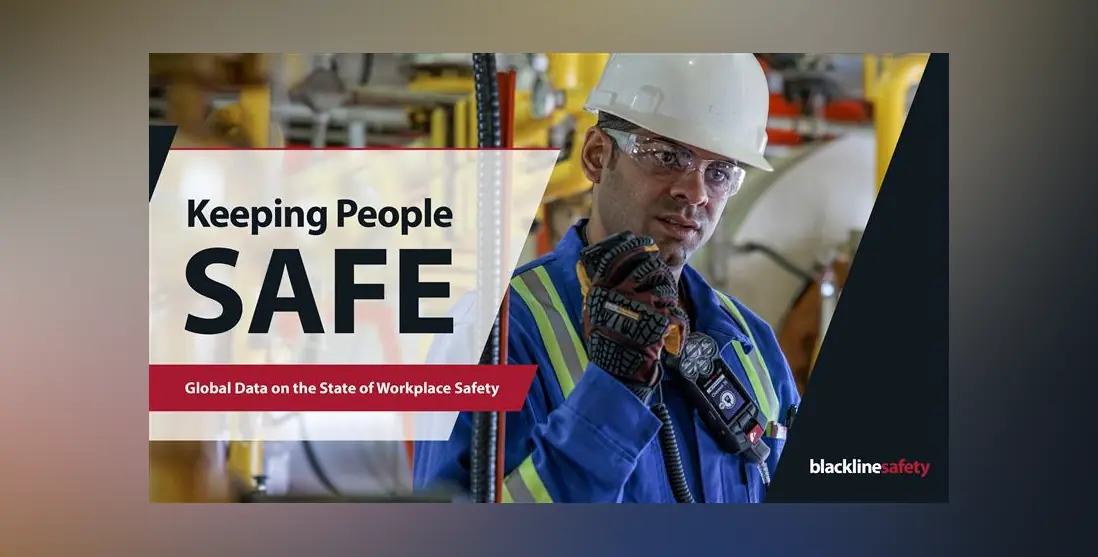
Global organisations are increasing investment in workplace safety as injury rates remain persistently high, according to new research commissioned by Blackline Safety.
The study, conducted by NewtonX, surveyed 200 senior safety and operations professionals from companies with more than 500 employees. Findings show that 95% of safety leaders plan to sustain or increase spending over the next two years, reflecting growing concern over the scale of work-related incidents worldwide.
The results, published in the report Keeping People Safe: Global Data on the State of Workplace Safety, highlight a continued disconnect between safety strategies and on-the-ground practices. While 97% of respondents agree that strong safety performance underpins productivity, nearly two-thirds (64%) reported a gap between established protocols and actual worker behaviour.
Industry experts suggest that this divide is driven by fragmented systems, where people, processes and technology are not fully aligned. In many cases, safety frameworks are designed without sufficient input from frontline operations, limiting their effectiveness in real-world environments.
Christine Gillies, chief product and marketing officer at Blackline Safety, said the findings point to a shift in how organisations approach safety management. She noted that companies are increasingly moving beyond compliance-driven models towards integrated systems that embed safety into core operations.
The report identifies training and workforce engagement as top priorities for investment, cited by 46% and 41% of respondents respectively. Infrastructure upgrades to reduce risk, adoption of new technologies and internal advocacy for safety also feature prominently among budget allocations.
However, the research indicates that simply increasing training volume is not enough. Nearly one-third of respondents emphasised the importance of more relevant, continuous and interactive training programmes that foster trust and encourage two-way communication between workers and management.
Technology is also playing a growing role in shaping safety outcomes. Many organisations are deploying tools such as personal protective equipment, communication devices and digital monitoring systems. Yet confidence in these measures remains mixed, with only 36% of workers expressing strong trust in existing safety tools and procedures.
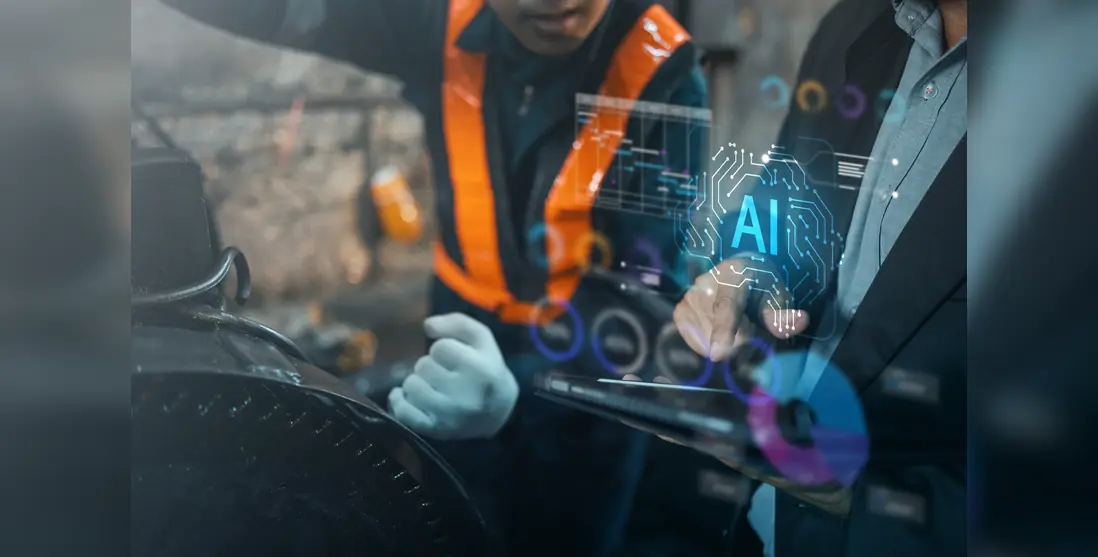
Artificial intelligence is expected to become a key enabler in the coming years. Around 65% of safety leaders anticipate wider adoption of AI-driven risk prediction tools, particularly in areas such as data analytics, training simulations and predictive risk management.
Despite these advances, the report highlights a missed opportunity in proactive risk prevention. While most organisations review incident reports, only a third are actively using predictive analytics to identify and mitigate potential hazards before they occur.
The findings underscore the need for a more integrated and forward-looking approach to workplace safety, combining technology, training and data to reduce risks and improve outcomes.