Middle East
Middle East
- Date: 16th March 2026
- Year: 2026
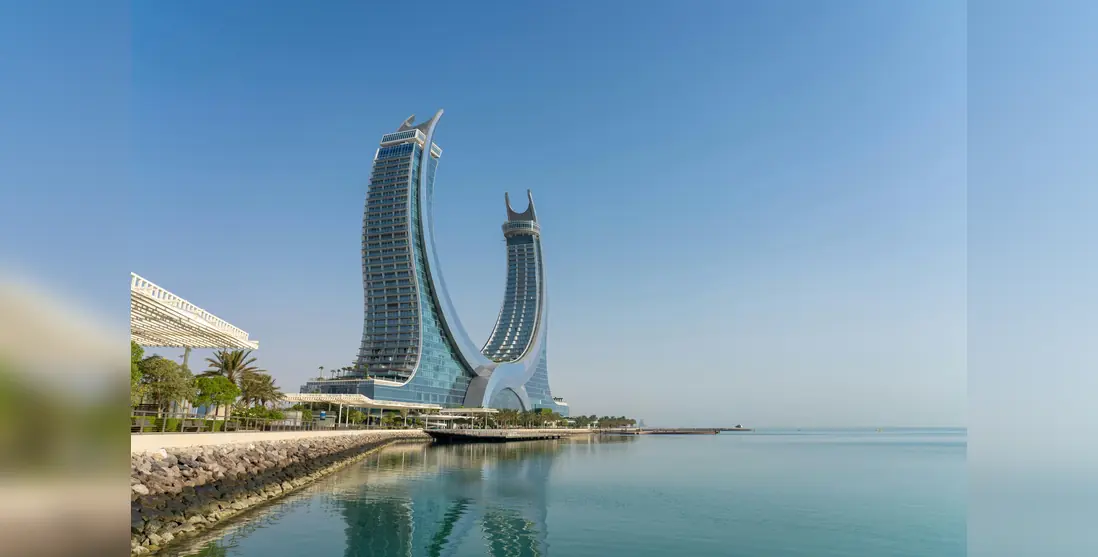
The Ministry of Interior Qatar has released a set of workplace safety guidelines aimed at helping employees respond effectively during precautionary security alerts.
The measures are part of wider efforts by authorities to strengthen public awareness of safety procedures and ensure organisations across the country are better prepared to manage potential security situations.
According to the ministry, employees working in government, semi-government and private sector organisations must treat national alerts issued through official channels with seriousness and follow instructions immediately. Workers have also been urged to rely only on verified updates from official sources and avoid sharing rumours or unconfirmed information that could cause confusion.
The guidance emphasises that staff should follow the directions of workplace security teams and relevant authorities at all times, rather than attempting to interpret security warnings independently.
A key focus of the recommendations is ensuring safe behaviour inside buildings when precautionary alerts are issued. Employees are advised to remain indoors and avoid leaving their workplaces unless specifically instructed to do so by authorities. Maintaining calm and avoiding panic are considered essential in ensuring that emergency procedures can be implemented effectively.
Further safety guidance
The ministry also recommends that workers stay away from windows, glass façades and other exposed areas during alerts. Employees are encouraged to minimise movement between different floors or buildings and maintain distance from potential hazards such as energy sources or flammable materials.
Preparedness is another important aspect of the guidelines. Staff members are encouraged to familiarise themselves with emergency exits, evacuation routes and designated assembly points within their workplaces. In the event that evacuation becomes necessary, authorities advise employees to use staircases and emergency exits rather than elevators.
The ministry highlighted the importance of maintaining order during evacuations. Workers are urged to avoid pushing or crowding when moving towards safe areas and to ensure that corridors and emergency exits remain clear so that people can leave buildings quickly if required.
Guidance has also been provided for individuals who may be outdoors when an incident occurs. In such cases, people are advised to move to the nearest safe indoor location and remain there until authorities confirm that the situation is under control.
Employees are also encouraged to report suspicious objects or unusual observations through official organisational channels or directly to relevant authorities. The ministry warned individuals not to touch or approach unidentified objects or fragments that may pose a risk.
To support effective emergency response, organisations are expected to ensure that safety departments maintain clear evacuation routes and functioning emergency procedures.
- Date: 12th March 2026
- Year: 2026
Transport officials from Gulf Cooperation Council countries have discussed emergency measures aimed at maintaining the safe and efficient movement of goods and passengers across the region amid ongoing regional tensions.
The 28th extraordinary meeting of the Committee of Transport Undersecretaries of the Gulf Cooperation Council was chaired by HE Fatima Abdulla Al Dhaen and held virtually with representatives from GCC member states.
Al Dhaen is the Undersecretary for Land Transport and Post Affairs at Bahrain's Ministry of Transportation and Telecommunications.
During the meeting, officials reviewed a range of exceptional steps designed to support land transport operations following recent Iranian attacks affecting regional logistics routes. Ensuring the continued movement of freight and passenger transport between member states was a central focus of the discussions.
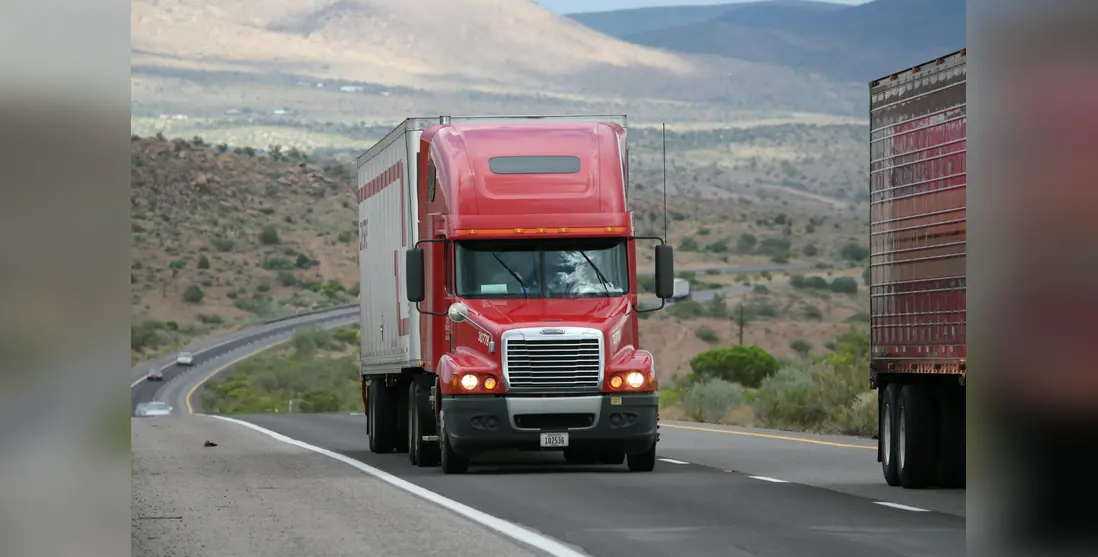
Participants examined mechanisms to facilitate cross-border transport, including the temporary allowance for empty trucks and buses to pass through land borders. The measure aims to help transport operators reposition vehicles and maintain supply chains during disruptions.
Officials also considered certain exemptions related to vehicle operational age limits. The proposal is intended to ensure sufficient transport capacity during the current period while maintaining oversight of vehicle safety and compliance standards.
The committee emphasised the need for close coordination among member states to ensure that emergency policies are applied consistently across borders. Such collaboration is expected to minimise delays, support supply chain resilience and maintain stable transport operations during periods of uncertainty.
- Date: 12th March 2026
- Year: 2026
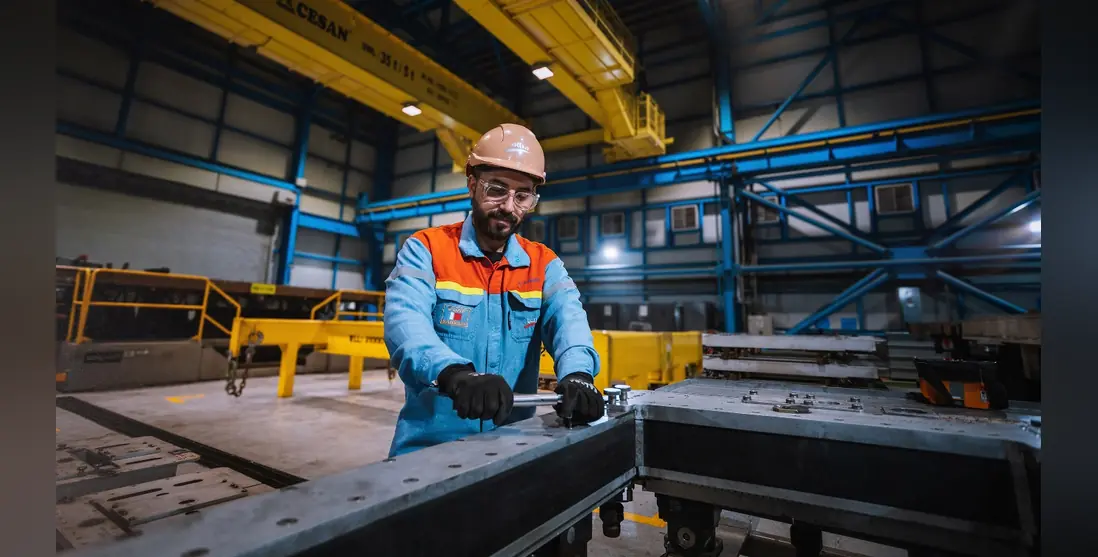
Aluminium Bahrain (Alba), the world’s largest single-site aluminium smelter, has declared force majeure on metal deliveries due to severe shipping disruptions in the Strait of Hormuz caused by ongoing Middle East conflict.
The company stressed that its smelter facilities remain fully operational with no damage or production halt.
Alba’s “Safety First, Safety Always” commitment shone through as the company achieved a record 44 million safe working hours without a lost-time injury (LTI) in February 2026, a milestone celebrated just weeks before the disruptions.
"Congratulations to Alba Family for achieving 44 million SAFE working-hours without a single lost time injury (LTI) on 14 February 2026. Safety is the backbone of our operations. By adhering to ‘Stop, Think, and Act', we strengthen our drive toward the Safety 5-Star Objective and raise the bar for Safety Excellence," the company had said on a post on its social media handles.
Earlier in February, Alba launched its women-led Ramadan Safety Campaign, focusing on employee health, fatigue management, and emergency preparedness during the holy month.
No worker injuries were reported despite the external crisis, highlighting robust risk assessments and contractor safety protocols that kept the entire workforce protected while production continued uninterrupted.
Following safety protocols, the company also held its 16th Annual General Meeting (AGM) on Thursday 12 March 2026, via virtual attendance, in accordance with applicable regulations.
- Topic: HSE
- Region: Middle East
- Date: 11th March 2026
- Year: 2026
His Highness Sheikh Mohammed bin Rashid Al Maktoum, Vice President and Prime Minister of the UAE, has issued a new law on public safety in the Emirate of Dubai, aimed at establishing a clear legislative framework to ensure high safety standards in public spaces, the reduction of accidents and the safety and safe use of public services and products
Dubai Municipality’s Environment, Health and Safety Agency is tasked with overseeing Law No. (2) of 2026, in coordination with relevant authorities.
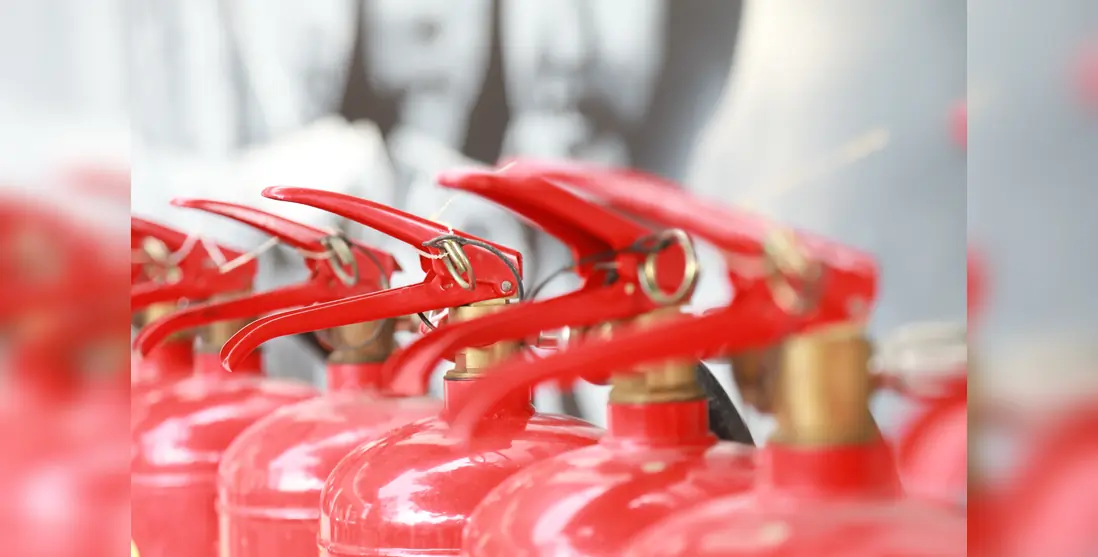
The law, which comes into effect on 1 June, has a key focus on public safety for venues and events, setting out the rules and responsibilities of operators and event organisers. It covers areas such as equipment standards, lighting and ventilation, crowd control, and noise levels. Venues and events are required to provide fire-fighting equipment, first-aid supplies, trained safety supervisors, alarm systems, and safety signs. They must have emergency evacuation measures, and a public safety management plan to protect attendees.
The law also establishes public safety standards and requirements for maintenance and equipment in buildings and homes, swimming pools and beaches.
Engaging the public and raising community awareness is another focus. The law specifies the responsibilities of the public, requiring them to comply with all public safety procedures and guidelines.
On potentially hazardous products, the law prohibits handling explosives, fireworks, toxic or flammable materials, or other unsafe products without authorisation, and gives instructions for the handling and treatment of dangerous materials. Using or selling any tools or products that do not meet the public safety requirements or which pose a risk to public safety are forbidden. Items must also include safety instructions in both Arabic and English.
Flouting the law can incur fines of between AED500 and AED1,000,000, which can be doubled up to AED2,000,000 for repeat offences.
According to law firm Al Suwaidi, Law No. (2) of 2026 signals Dubai’s continued emphasis on strengthening compliance frameworks in areas affecting public safety, reflecting Dubai’s broader commitment to maintaining high safety standards while supporting the Emirate’s position as a global hub for tourism, events and commercial activity.
- Date: 11th March 2026
- Year: 2026
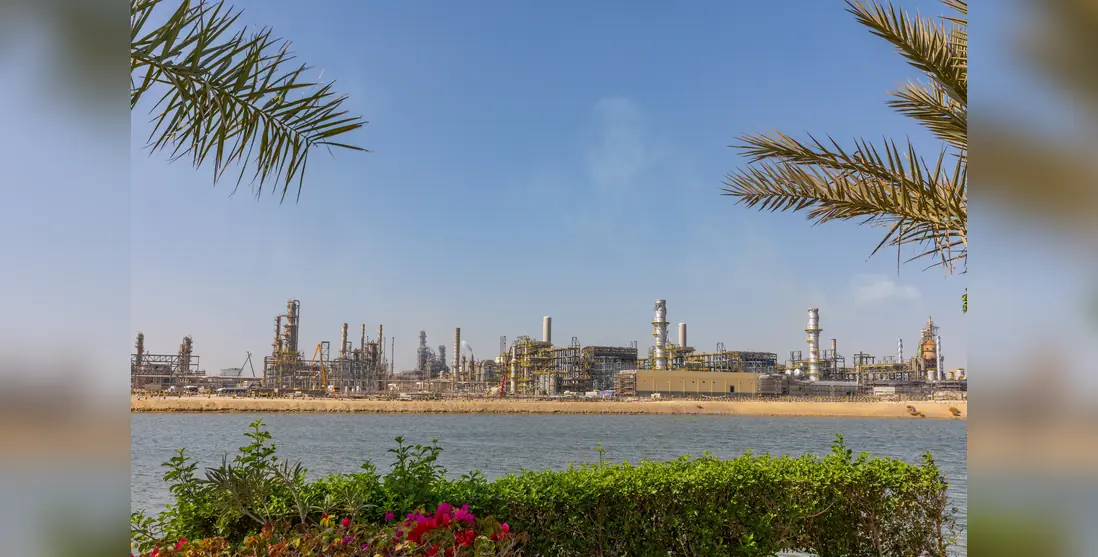
Bapco Energies declared force majeure on its group operations after an Iranian drone strike hit the Al-Ma’ameer refinery complex on Sitra Island, igniting a fire in one unit.
Bahrain’s Ministry of Interior confirmed the blaze was fully extinguished within hours, with refinery operations continuing and only minor material damage reported.
The incident demonstrated the strength of Bapco’s occupational health and safety systems, including advanced fire-suppression infrastructure and rapid emergency response teams.
Critically, zero injuries or casualties occurred among workers despite the direct external threat, a testament to effective evacuation drills, hazard communication, and crisis management plans tailored for industrial sites in high-risk environments.
The company’s swift containment prevented what could have been a major lost-time incident, reinforcing Bahrain’s progress in protecting its energy-sector workforce during geopolitical challenges.
While the incidents stemmed from external conflict rather than routine workplace hazards, they underscore the importance of strong emergency preparedness and safety culture in Bahrain’s key industries.

- Topic: HSE
- Region: Middle East
- Date: 5th March 2026
- Year: 2026
People in Saudi Arabia and across the Middle East studying for professional occupational safety and health exams have been offered support in the wake of heightened geopolitical tensions in the region.
The National Examination Board in Occupational Safety and Health (NEBOSH), a leading global organisation that provides health, safety and environmental (HSE) qualifications, extended its support in the wake of US air attacks on Iran and subsequent reprisals across the Gulf and beyond.
“We understand that some learners may be unable to take or submit upcoming assessments as planned,” it noted in a statement on its website.
“If this applies to you, we will refund your assessment fees to your Learning Partner so that you can rebook for another assessment in the future.”
It urged those affected to contact their Learning Partner, who will then liaise with NEBOSH directly.
“We know that extenuating circumstances — such as a conflict — may prevent learners from completing all their qualification units in the specified timeframe, and we will work with you to find a solution if this is the case,” it added in the statement.
“Our Certificate Unit Validity Extension Policy outlines the criteria for accepting extension requests and the supporting documentation we require.”
It said the policies and requests can be used by learners based in any country, with all requests considered on a case-by-case basis.
“NEBOSH is saddened by the recent unrest affecting the Middle East. If you have been affected, we hope that you, your family and your colleagues are safe.”
Tens of thousands of people from more than 150 countries study for a NEBOSH qualification every year.
- Topic: HSE
- Region: Middle East
- Date: 4th March 2026
- Year: 2026
Saudi organisations have been urged to “rethink how they recruit, train, and supervise workers in high‑risk environments” ahead of new legislation taking effect later this year.
Riyadh-based employment law expert Dr. Sairah Narmah-Alqasim of Pinsent Masons made the recommendation after the Regulation on Organising Work in High-Risk Professions was adopted in Saudi Arabia.
In an insight article posted on the law firm’s website, it noted that the regulation, which will come into effect on 3 July, is highly relevant to employers operating in sectors where work involves elevated safety risks – such as construction, heavy equipment operations, welding, cutting, and mechanical work – and that it raises the bar for workplace safety and compliance.
The regulation provides a framework for the classification of certain occupations as ‘high-risk’, and associated obligations on both employers where employees and workers fall into that category, the article noted. Obligations also fall on individual employees and workers where they are considered to perform a high-risk role.
Each employer is responsible for determining whether their employees or workers are undertaking “high-risk profession activities”, which is a broad concept, the paper added.
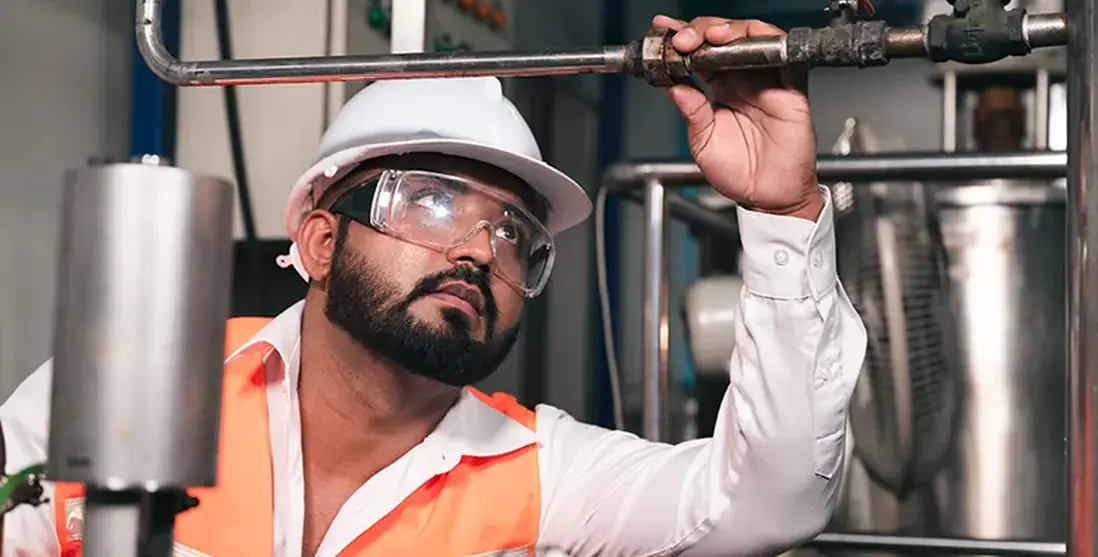
According to the regulation, this might include where the person is working at height or in confined spaces; working under high temperatures or sunlight; involved in manual lifting and transportation of loads; moving vehicles or equipment; dealing with noise, heat or vibrations; involved in welding or cutting; dealing with chemicals, radiation or medical waste; or working in remote isolation from other people and “vital” facilities. The regulation contains a wider list of examples.
“The nature of the task is, however, not wholly determinative of whether the occupation of a worker/employee is classified as high-risk,” the article added. “Employers must make that assessment based on a range of other criteria, which include referencing the person’s job description, the type, method and duration of their exposure to materials or factors, and data on the number of fatalities and accidents associated with the role.”
Where the employer considers that it does oversee high-risk occupations, it must satisfy itself that existing employees and workers as well as new joiners undergo medical training and examinations. Employees and workers will be required to pass medical fitness examinations to obtain a licence enabling them to perform the high-risk role, and employers have a duty to avoid tasks in high-risk professions being assigned to individuals where they do not have the necessary licence in place. The regulation provides a process for people to challenge the outcome of those examinations where they are not passed as fit for the role.
For some roles, specialist training will need to be completed before work can be performed, while all workers and employees – and their supervisors – will also need to “possess the necessary cognitive and technical capabilities in the field of occupational safety and health, commensurate with the nature of the risks associated with their actual work” to perform high-risk roles.
Various other obligations fall on employers under the regulation, including duties to notify hazards that may affect the safety and health of workers or employee during the performance of their work, and to investigate and report workplace accidents.
“The introduction of the new regulation marks a decisive shift in how employers must manage safety‑critical roles,” said Dr. Sairah Narmah-Alqasim of Pinsent Masons. “It represents a structural change in the labour market that will require organisations to rethink how they recruit, train, and supervise workers in high‑risk environments.”
Sadia Farooq, also of Pinsent Masons, added: “By introducing mandatory licensing, competency standards, and accreditation requirements, the regulation raises expectations for both employers and service providers, and it will quickly expose gaps in existing workforce capabilities.”
Dr. Sairah Narmah-Alqasim, confirmed the regulation will have a significant commercial impact: “Companies that act early will be better positioned to avoid operational disruption, reduce safety‑related downtime, and demonstrate compliance to the Ministry of Human Resources and Social Development.”
- Topic: HSE
- Region: Middle East
- Date: 2nd March 2026
- Year: 2026
- Date: 2nd March 2026
- Year: 2026
Careem has reiterated its commitment to community service and the safety of its Captains amid recent regional developments.
The ride-hailing and food delivery company said it is closely monitoring the situation and taking all necessary precautions to protect its workforce.
In a statement, Careem noted that teams are working round the clock to address operational challenges and ensure that essential services remain available. The company warned that, in prioritising safety, there may be minor disruptions or delays in service.
“Ensuring the safety of our Captains is paramount,” the statement read. “We appreciate the patience and understanding of our customers during this period, and we urge everyone to show kindness to our Captains as we navigate these challenges together.”
The company expressed hope for a swift return to stability and emphasised that its operations will continue to adapt in order to protect staff while maintaining service where possible.
Careem’s proactive approach underscores the ongoing importance of safety measures for frontline workers in the transport and delivery sector, particularly during periods of uncertainty.
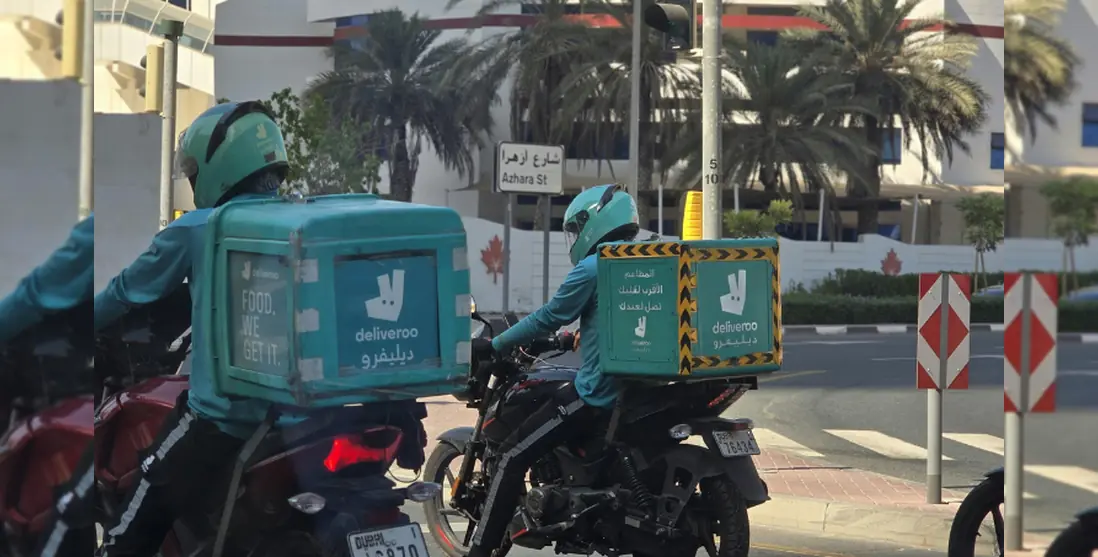
Meanwhile, Deliveroo stated to Gulf News that it is closely monitoring developments and continues to follow official government guidance in all markets where it operates.
"We are closely monitoring developments throughout the day and remain guided by official government advice in each country where we operate. Based on ongoing assessments, operations may be temporarily paused or resumed as necessary to ensure the safety of riders, employees, customers and partners," Deliveroo said, adding that "We have also implemented precautionary measures, including advising employees to work remotely. We remain in regular communication with our stakeholders and will continue to assess the situation carefully, taking further action if needed, always with safety as our first consideration."
Talabat and Noon apps showed delayed delivery times at the start of the tensions on 28 February, but have now resumed regular operations.
- Date: 26th February 2026
- Year: 2026
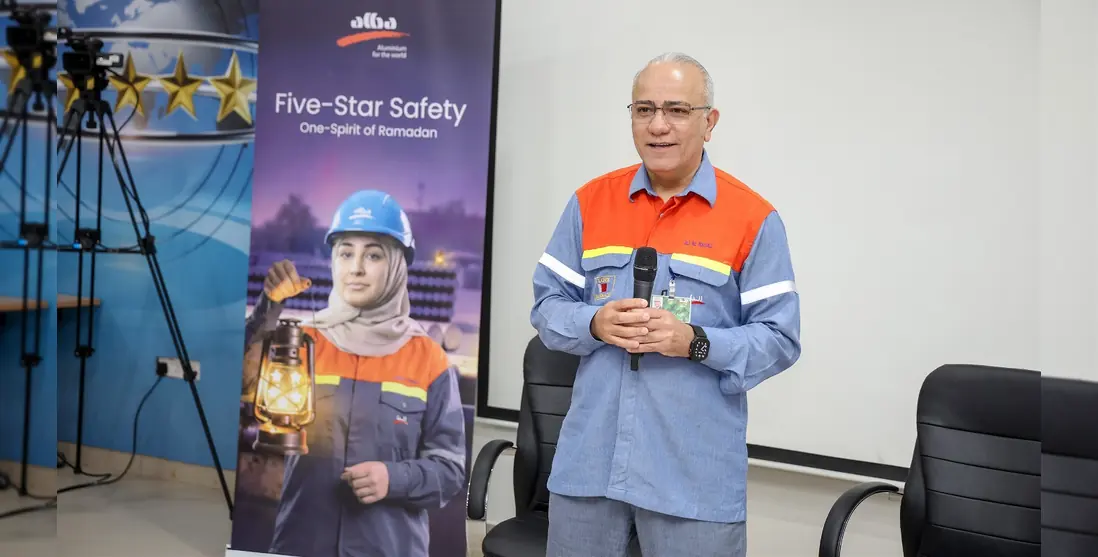
Aluminium Bahrain B.S.C. (Alba) has officially launched its annual Ramadan Safety Campaign, placing employee wellbeing and responsible workplace practices at the forefront during the holy month.
The initiative was inaugurated on 24 February 2026 by the company’s chief executive officer, Ali Al Baqali, at Oasis Hall, in the presence of senior executives, managers and employees from across the plant. Branded under the theme ‘Five Star Safety, One Spirit of Ramadan’, the campaign will run throughout Ramadan and is designed to reinforce Alba’s long-standing safety culture while recognising the unique rhythms of the month.
Company officials said this year’s programme aims to promote mindful behaviour, healthy routines and a balanced approach to professional and personal life. With fasting and altered schedules potentially affecting energy levels and concentration, the campaign focuses on supporting staff to maintain safe performance standards while prioritising overall wellbeing.
A series of activities has been organised to engage employees across departments and shifts. These include in-person lectures and online webinars delivered by both internal specialists and external experts. Topics range from workplace safety and occupational health to nutrition advice and the reduction of food waste, aligning practical guidance with the values of Ramadan.
Management teams will also conduct site visits to operational areas during the month. These visits are intended to strengthen communication between leadership and frontline staff, encourage dialogue around safety concerns and reinforce safe behaviours in day-to-day operations. By maintaining a visible presence across the plant, Alba aims to ensure consistent safety standards regardless of shift patterns.
In a notable move, the 2026 campaign is being led entirely by women employees, underlining their contribution to the company’s safety and cultural initiatives. Alba said the decision highlights the important role women play in shaping and sustaining a proactive safety environment within the organisation.
The Ramadan Safety Campaign forms part of Alba’s broader commitment to embedding health and safety into every aspect of its operations. By combining technical guidance with awareness of physical and mental wellbeing, the company seeks to ensure that productivity and care for employees go hand in hand.
As one of Bahrain’s largest industrial employers, Alba continues to position safety as a shared responsibility, particularly during periods when routine working patterns shift. The campaign’s blend of education, engagement and leadership visibility is intended to reinforce a unified approach to safe and responsible practices both inside and outside the workplace.
- Topic: HSE
- Region: Middle East
- Date: 23rd February 2026
- Year: 2026
How do complacency and human factors contribute to workplace injuries, and how can you prevent complacency-related injuries and incidents?
That is the subject of a webinar hosted by HSE Review in association with SafeStart, to take place on Wednesday 1st April 2026 at 2pm GST, which will shine a light on the neuroscience behind competence, complacency and human factors.
Safety professionals have known for years that “complacency is a silent killer.” They have also suspected that complacency was a contributing factor in almost every unintentional injury or incident. Unfortunately, from a neuroscience perspective, it is impossible to stop people from becoming complacent once they are competent. And for high-risks tasks in particular, competence is a must.
Even more unfortunately, many (most) companies do not know what to do to help their employees deal with complacency, which leads to mind not on task/risk.
In this session, participants will:
• Understand the neuroscience behind complacency and why it cannot be eliminated once competence is achieved
• Recognise the two stages of the complacency continuum and how human factors impact critical decision-making
• Learn practical skills to prevent complacency-related injuries, including attentive habits, looking for risk patterns in others, analysing close calls and small errors to prevent agonising over large ones, and using self-triggering skills, to deal with rushing, frustration and fatigue which, when combined with complacency, can cause fatalities
• Explore how concepts such as fail-safe can help compensate for complacency leading to mind not on task.
Register for the webinar here
Our speaker is Larry Wilson, a pioneer in the area of Human Factors in safety. He has been a safety consultant for over 25 years and has worked on-site with hundreds of companies worldwide. Larry is the author of SafeStart, an advanced safety and performance awareness programme, successfully implemented in more than 4,500 companies in 75 countries, with more than five million people trained. He is the moderator of the SafeConnection expert panels series and has authored and co-authored a number of books, the latest being “25 Years of Original Thought-Innovations in Safety, Human Error and Performance”. Larry is also an active keynote speaker at health and safety conferences around the globe (32 countries so far).
Participants are guaranteed an hour of engaging and thought-provoking interactive discussion and debate and will take away the understanding, skills and strategies to help prevent complacency-related injuries and incidents.
So don’t delay, register for the webinar here
SafeStart Trainer Certification – Global Training Series
Following strong demand last year and impact across global markets, we’re also launching the SafeStart Trainer Certification – Global Training Series, starting with Dubai on 7–8 April 2026.
This is a practical, human factors–based certification designed to help organisations reduce incidents, strengthen decision-making, and improve overall safety performance, on and off the job.
Find out more information and register here:

- Date: 20th February 2026
- Year: 2026