Middle East
Middle East

- Topic: HSE
- Region: Middle East
- Date: 5th March 2026
- Year: 2026
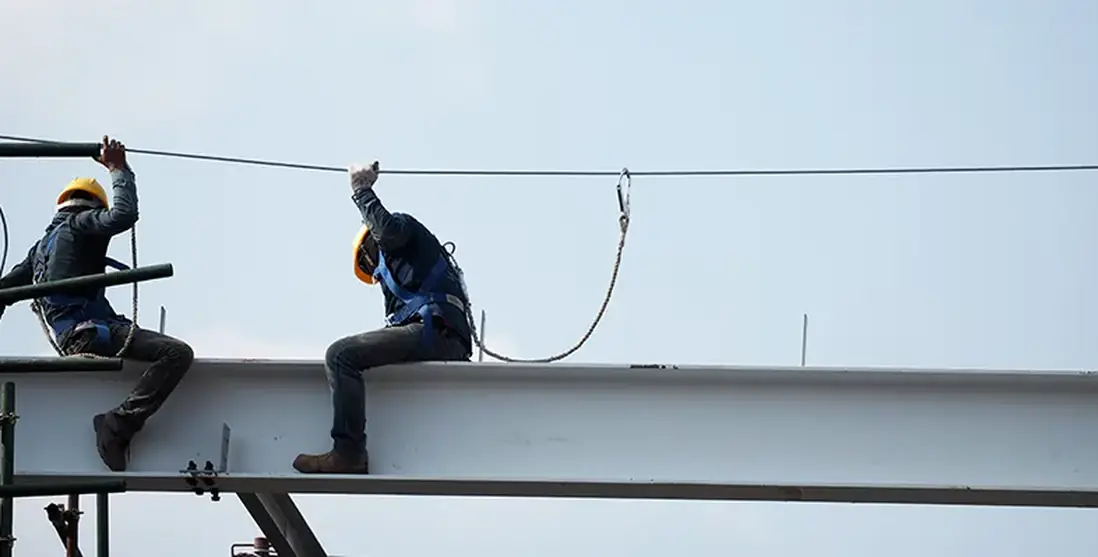
People in Saudi Arabia and across the Middle East studying for professional occupational safety and health exams have been offered support in the wake of heightened geopolitical tensions in the region.
The National Examination Board in Occupational Safety and Health (NEBOSH), a leading global organisation that provides health, safety and environmental (HSE) qualifications, extended its support in the wake of US air attacks on Iran and subsequent reprisals across the Gulf and beyond.
“We understand that some learners may be unable to take or submit upcoming assessments as planned,” it noted in a statement on its website.
“If this applies to you, we will refund your assessment fees to your Learning Partner so that you can rebook for another assessment in the future.”
It urged those affected to contact their Learning Partner, who will then liaise with NEBOSH directly.
“We know that extenuating circumstances — such as a conflict — may prevent learners from completing all their qualification units in the specified timeframe, and we will work with you to find a solution if this is the case,” it added in the statement.
“Our Certificate Unit Validity Extension Policy outlines the criteria for accepting extension requests and the supporting documentation we require.”
It said the policies and requests can be used by learners based in any country, with all requests considered on a case-by-case basis.
“NEBOSH is saddened by the recent unrest affecting the Middle East. If you have been affected, we hope that you, your family and your colleagues are safe.”
Tens of thousands of people from more than 150 countries study for a NEBOSH qualification every year.
- Topic: HSE
- Region: Middle East
- Date: 4th March 2026
- Year: 2026
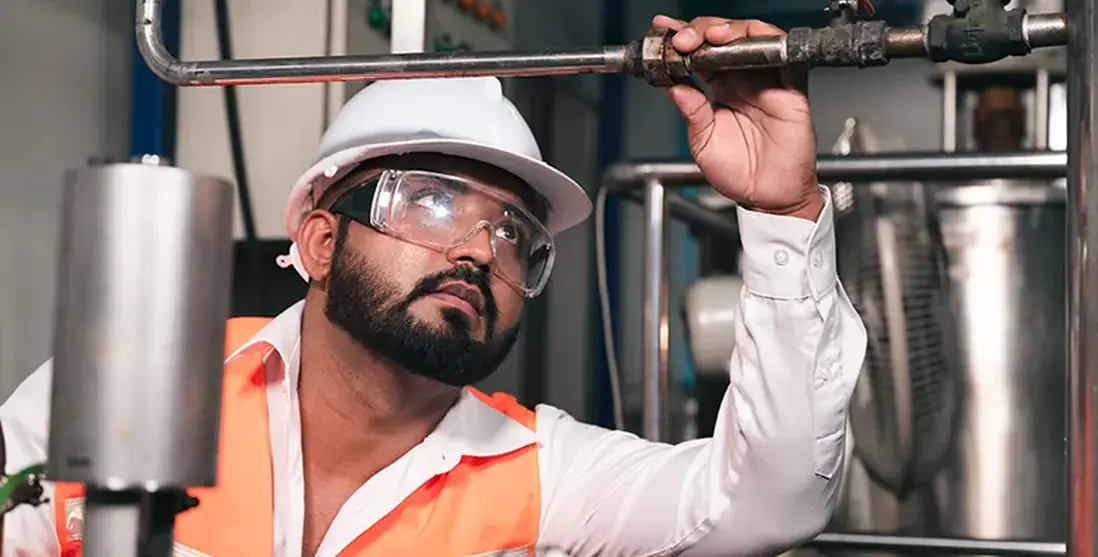
Saudi organisations have been urged to “rethink how they recruit, train, and supervise workers in high‑risk environments” ahead of new legislation taking effect later this year.
Riyadh-based employment law expert Dr. Sairah Narmah-Alqasim of Pinsent Masons made the recommendation after the Regulation on Organising Work in High-Risk Professions was adopted in Saudi Arabia.
In an insight article posted on the law firm’s website, it noted that the regulation, which will come into effect on 3 July, is highly relevant to employers operating in sectors where work involves elevated safety risks – such as construction, heavy equipment operations, welding, cutting, and mechanical work – and that it raises the bar for workplace safety and compliance.
The regulation provides a framework for the classification of certain occupations as ‘high-risk’, and associated obligations on both employers where employees and workers fall into that category, the article noted. Obligations also fall on individual employees and workers where they are considered to perform a high-risk role.
Each employer is responsible for determining whether their employees or workers are undertaking “high-risk profession activities”, which is a broad concept, the paper added.
According to the regulation, this might include where the person is working at height or in confined spaces; working under high temperatures or sunlight; involved in manual lifting and transportation of loads; moving vehicles or equipment; dealing with noise, heat or vibrations; involved in welding or cutting; dealing with chemicals, radiation or medical waste; or working in remote isolation from other people and “vital” facilities. The regulation contains a wider list of examples.
“The nature of the task is, however, not wholly determinative of whether the occupation of a worker/employee is classified as high-risk,” the article added. “Employers must make that assessment based on a range of other criteria, which include referencing the person’s job description, the type, method and duration of their exposure to materials or factors, and data on the number of fatalities and accidents associated with the role.”
Where the employer considers that it does oversee high-risk occupations, it must satisfy itself that existing employees and workers as well as new joiners undergo medical training and examinations. Employees and workers will be required to pass medical fitness examinations to obtain a licence enabling them to perform the high-risk role, and employers have a duty to avoid tasks in high-risk professions being assigned to individuals where they do not have the necessary licence in place. The regulation provides a process for people to challenge the outcome of those examinations where they are not passed as fit for the role.
For some roles, specialist training will need to be completed before work can be performed, while all workers and employees – and their supervisors – will also need to “possess the necessary cognitive and technical capabilities in the field of occupational safety and health, commensurate with the nature of the risks associated with their actual work” to perform high-risk roles.
Various other obligations fall on employers under the regulation, including duties to notify hazards that may affect the safety and health of workers or employee during the performance of their work, and to investigate and report workplace accidents.
“The introduction of the new regulation marks a decisive shift in how employers must manage safety‑critical roles,” said Dr. Sairah Narmah-Alqasim of Pinsent Masons. “It represents a structural change in the labour market that will require organisations to rethink how they recruit, train, and supervise workers in high‑risk environments.”
Sadia Farooq, also of Pinsent Masons, added: “By introducing mandatory licensing, competency standards, and accreditation requirements, the regulation raises expectations for both employers and service providers, and it will quickly expose gaps in existing workforce capabilities.”
Dr. Sairah Narmah-Alqasim, confirmed the regulation will have a significant commercial impact: “Companies that act early will be better positioned to avoid operational disruption, reduce safety‑related downtime, and demonstrate compliance to the Ministry of Human Resources and Social Development.”
- Topic: HSE
- Region: Middle East
- Date: 2nd March 2026
- Year: 2026
- Date: 2nd March 2026
- Year: 2026
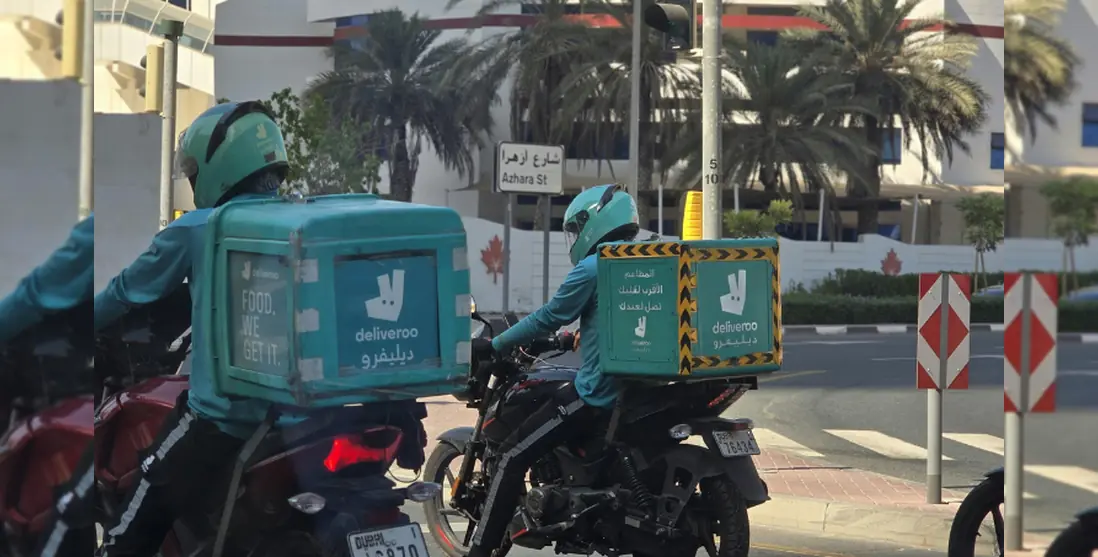
Careem has reiterated its commitment to community service and the safety of its Captains amid recent regional developments.
The ride-hailing and food delivery company said it is closely monitoring the situation and taking all necessary precautions to protect its workforce.
In a statement, Careem noted that teams are working round the clock to address operational challenges and ensure that essential services remain available. The company warned that, in prioritising safety, there may be minor disruptions or delays in service.
“Ensuring the safety of our Captains is paramount,” the statement read. “We appreciate the patience and understanding of our customers during this period, and we urge everyone to show kindness to our Captains as we navigate these challenges together.”
The company expressed hope for a swift return to stability and emphasised that its operations will continue to adapt in order to protect staff while maintaining service where possible.
Careem’s proactive approach underscores the ongoing importance of safety measures for frontline workers in the transport and delivery sector, particularly during periods of uncertainty.
Meanwhile, Deliveroo stated to Gulf News that it is closely monitoring developments and continues to follow official government guidance in all markets where it operates.
"We are closely monitoring developments throughout the day and remain guided by official government advice in each country where we operate. Based on ongoing assessments, operations may be temporarily paused or resumed as necessary to ensure the safety of riders, employees, customers and partners," Deliveroo said, adding that "We have also implemented precautionary measures, including advising employees to work remotely. We remain in regular communication with our stakeholders and will continue to assess the situation carefully, taking further action if needed, always with safety as our first consideration."
Talabat and Noon apps showed delayed delivery times at the start of the tensions on 28 February, but have now resumed regular operations.
- Date: 26th February 2026
- Year: 2026
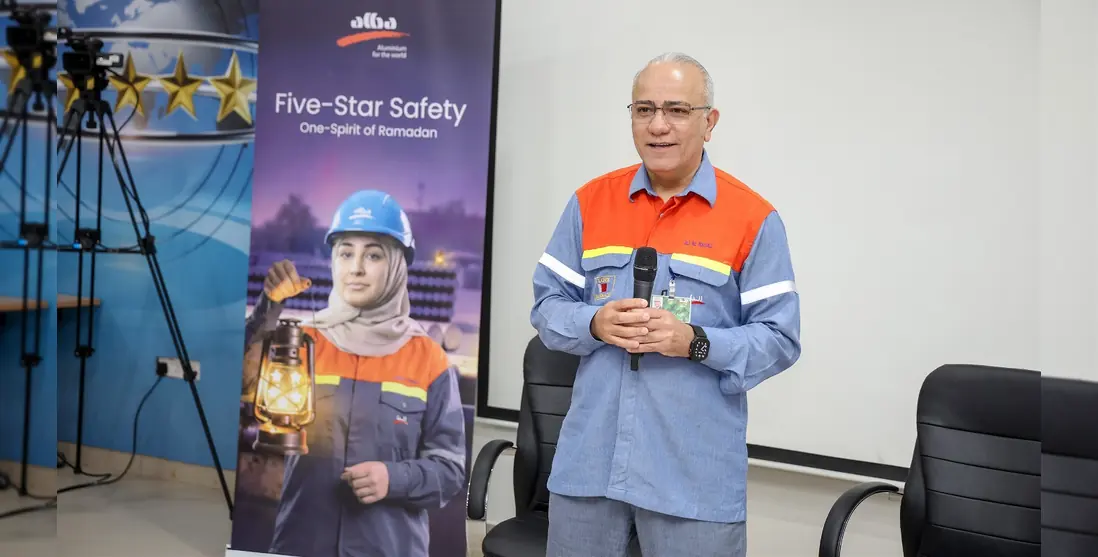
Aluminium Bahrain B.S.C. (Alba) has officially launched its annual Ramadan Safety Campaign, placing employee wellbeing and responsible workplace practices at the forefront during the holy month.
The initiative was inaugurated on 24 February 2026 by the company’s chief executive officer, Ali Al Baqali, at Oasis Hall, in the presence of senior executives, managers and employees from across the plant. Branded under the theme ‘Five Star Safety, One Spirit of Ramadan’, the campaign will run throughout Ramadan and is designed to reinforce Alba’s long-standing safety culture while recognising the unique rhythms of the month.
Company officials said this year’s programme aims to promote mindful behaviour, healthy routines and a balanced approach to professional and personal life. With fasting and altered schedules potentially affecting energy levels and concentration, the campaign focuses on supporting staff to maintain safe performance standards while prioritising overall wellbeing.
A series of activities has been organised to engage employees across departments and shifts. These include in-person lectures and online webinars delivered by both internal specialists and external experts. Topics range from workplace safety and occupational health to nutrition advice and the reduction of food waste, aligning practical guidance with the values of Ramadan.
Management teams will also conduct site visits to operational areas during the month. These visits are intended to strengthen communication between leadership and frontline staff, encourage dialogue around safety concerns and reinforce safe behaviours in day-to-day operations. By maintaining a visible presence across the plant, Alba aims to ensure consistent safety standards regardless of shift patterns.
In a notable move, the 2026 campaign is being led entirely by women employees, underlining their contribution to the company’s safety and cultural initiatives. Alba said the decision highlights the important role women play in shaping and sustaining a proactive safety environment within the organisation.
The Ramadan Safety Campaign forms part of Alba’s broader commitment to embedding health and safety into every aspect of its operations. By combining technical guidance with awareness of physical and mental wellbeing, the company seeks to ensure that productivity and care for employees go hand in hand.
As one of Bahrain’s largest industrial employers, Alba continues to position safety as a shared responsibility, particularly during periods when routine working patterns shift. The campaign’s blend of education, engagement and leadership visibility is intended to reinforce a unified approach to safe and responsible practices both inside and outside the workplace.

- Topic: HSE
- Region: Middle East
- Date: 23rd February 2026
- Year: 2026
How do complacency and human factors contribute to workplace injuries, and how can you prevent complacency-related injuries and incidents?
That is the subject of a webinar hosted by HSE Review in association with SafeStart, to take place on Wednesday 1st April 2026 at 2pm GST, which will shine a light on the neuroscience behind competence, complacency and human factors.
Safety professionals have known for years that “complacency is a silent killer.” They have also suspected that complacency was a contributing factor in almost every unintentional injury or incident. Unfortunately, from a neuroscience perspective, it is impossible to stop people from becoming complacent once they are competent. And for high-risks tasks in particular, competence is a must.
Even more unfortunately, many (most) companies do not know what to do to help their employees deal with complacency, which leads to mind not on task/risk.
In this session, participants will:
• Understand the neuroscience behind complacency and why it cannot be eliminated once competence is achieved
• Recognise the two stages of the complacency continuum and how human factors impact critical decision-making
• Learn practical skills to prevent complacency-related injuries, including attentive habits, looking for risk patterns in others, analysing close calls and small errors to prevent agonising over large ones, and using self-triggering skills, to deal with rushing, frustration and fatigue which, when combined with complacency, can cause fatalities
• Explore how concepts such as fail-safe can help compensate for complacency leading to mind not on task.
Register for the webinar here
Our speaker is Larry Wilson, a pioneer in the area of Human Factors in safety. He has been a safety consultant for over 25 years and has worked on-site with hundreds of companies worldwide. Larry is the author of SafeStart, an advanced safety and performance awareness programme, successfully implemented in more than 4,500 companies in 75 countries, with more than five million people trained. He is the moderator of the SafeConnection expert panels series and has authored and co-authored a number of books, the latest being “25 Years of Original Thought-Innovations in Safety, Human Error and Performance”. Larry is also an active keynote speaker at health and safety conferences around the globe (32 countries so far).
Participants are guaranteed an hour of engaging and thought-provoking interactive discussion and debate and will take away the understanding, skills and strategies to help prevent complacency-related injuries and incidents.
So don’t delay, register for the webinar here
SafeStart Trainer Certification – Global Training Series
Following strong demand last year and impact across global markets, we’re also launching the SafeStart Trainer Certification – Global Training Series, starting with Dubai on 7–8 April 2026.
This is a practical, human factors–based certification designed to help organisations reduce incidents, strengthen decision-making, and improve overall safety performance, on and off the job.
Find out more information and register here:

- Date: 20th February 2026
- Year: 2026

- Year: 2026
Qatar's Ministry of Public Health has released a new awareness booklet titled “Recharge at Your Desk”, encouraging office workers to incorporate simple physical exercises into their daily routines, The Peninsular Qatar reported.
The publication was launched earlier this month to coincide with Qatar’s National Sport Day, underscoring the Ministry’s commitment to promoting public health and fostering a culture of physical activity across workplaces.
The booklet provides a series of straightforward exercises that can be performed during office hours without the need for specialised equipment. Each activity is accompanied by QR codes linking to short instructional videos demonstrating the correct and safe way to complete the movements. The initiative aims to make it easier for employees to remain active despite sedentary work patterns.
According to the Ministry, regular physical activity during the working day can deliver multiple benefits, including improved overall health, enhanced mood, greater motivation and increased stamina. It also contributes to reducing stress levels commonly associated with office-based roles.
Health officials highlighted that consistent exercise lowers the risk of chronic illnesses such as heart disease, type 2 diabetes and certain forms of cancer. In addition, physical activity supports better sleep quality, sharper cognitive function and improved concentration, all of which can positively influence workplace performance.
The Ministry stressed that integrating movement into daily routines does not require significant time commitments or complex fitness regimes. Instead, small, manageable exercises performed at a desk or within office surroundings can make a measurable difference to long-term wellbeing.
In a statement accompanying the launch, the Ministry urged employers and employees alike to prioritise health within professional environments. It emphasised that adopting an active lifestyle at work is a fundamental step towards improving quality of life and cultivating a positive organisational culture.
The “Recharge at Your Desk” booklet is available for download via the Ministry’s official website and social media platforms, ensuring broad accessibility for public and private sector employees across Qatar.
The initiative forms part of broader national efforts to address sedentary lifestyles and promote preventative healthcare measures. By encouraging movement within the workplace, the Ministry aims to reinforce awareness that health and productivity are closely linked, particularly as modern office environments increasingly involve prolonged periods of sitting.
Through practical guidance and accessible digital support, the campaign seeks to empower employees to take proactive steps towards maintaining physical and mental wellbeing throughout the working day.

- Year: 2026
A five-day training course on Occupational Safety and Health Administration (OSHA) standards is scheduled to take place in Manama, Bahrain, from 22 February 2026 at the Fraser Suites Seef Bahrain. The course aims to enhance workplace safety knowledge and implementation among industrial personnel.
The course will cover OSHA’s globally recognised health and safety standards, emphasising both high-hazard chemical plants and general industrial applications. Organisers said the training is intended to refresh participants’ understanding of key standards, encourage accurate application, and improve operational performance, ultimately benefiting organisational efficiency and profitability.
Key topics to be addressed include Process Safety Management of Highly Hazardous Chemicals (29 CFR 1910.119), HazCom 2012 (29 CFR 1910.200), the OSHA Act, and Permit-required Confined Spaces (29 CFR 1910.146). In addition, OSHA’s Safety and Health Program Management Guidelines will be explored to help participants strengthen safety protocols in their workplaces.
Course objectives include applying best practices for confined space entry, analysing process safety management, evaluating chemical hazard controls, developing safer systems of work, and understanding the basis of HAZOP studies. Attendees will also gain practical insights into reviewing Standard Operating Procedures and supporting recommendations for improved process safety management.
The training methodology combines face-to-face instruction with interactive adult learning techniques, including exercises, group discussions, case studies, and training videos. This approach is designed to maximise comprehension, retention, and practical application of OSHA standards.
Organisers noted the course will benefit both individuals and organisations. Employees will gain expertise in developing safe systems of work, understanding OSHA law, recognising inherently safer design principles, and evaluating safety management effectiveness. Organisations, in turn, can expect increased professionalism, enhanced team collaboration, improved working systems, and higher operational efficiency.
The course is suitable for a wide range of professionals, including team leaders, health and safety personnel, process engineers, shift managers, and maintenance engineers.
The five-day outline covers a structured progression from general OSHA standards and hazard assessment on day one, to detailed sessions on process safety management and HAZOP studies over days two and three. Day four focuses on confined space entry, non-routine work, and emergency preparedness, while day five addresses occupational health, HazCom 2012, chemical classifications, and safety data sheets.
Organisers at Global Horizon Training Centre emphasised that staying up-to-date with OSHA standards is critical for maintaining safe industrial environments and promoting a culture of continuous improvement across organisations in Bahrain and the wider region.
- Topic: HSE
- Region: Middle East
- Date: 18th February 2026
- Year: 2026
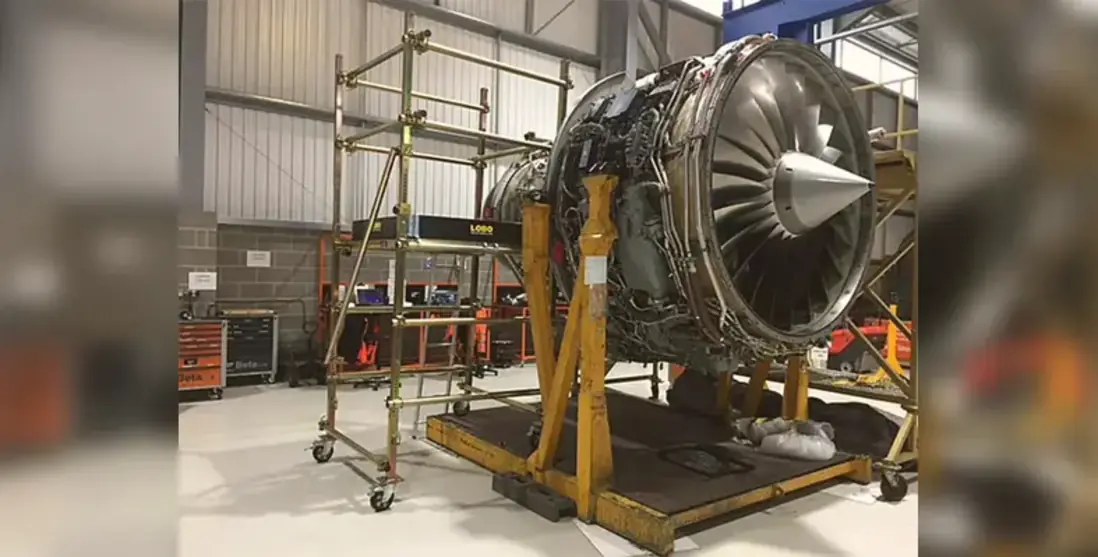
LOBO Systems, which designs and engineers modular access platforms, has completed its first deployment in Saudi Arabia, marking its entry into the Middle East industrial market
The project, delivered to a major global industrial engineering organisation operating in Riyadh, reflects growing regional demand for safer, more flexible and more controllable work-at-height solutions across complex industrial environments.
Saudi Arabia continues to invest heavily in infrastructure, energy, water treatment and advanced manufacturing as part of its long-term economic development strategy and Vision 2030 objectives. These sectors rely on safe and efficient maintenance of pumps, processing systems and elevated equipment, often within space-restricted and operationally sensitive facilities.
Traditional access methods such as outsourced scaffolding can introduce delays, increase operational disruption and limit maintenance responsiveness. Fixed access platforms, while effective in static environments, may lack the adaptability required in evolving industrial settings.
LOBO’s modular work-at-height platform system provides an alternative approach. Designed to be assembled without tools, the system enables trained in-house teams to build fully enclosed, compliant working platforms on demand. Platforms can be configured around pipework, processing equipment and restricted work spaces, then reconfigured as operational requirements change.
This cost-effective approach reduces the reliance on third-party contractors, enables faster response to planned and unplanned maintenance and enables greater operational control and flexibility.
Rob Bokros, CEO at LOBO Systems, commented, “Industrial operators globally are seeking greater control over how they manage work at height. Entering the Saudi market reflects increasing recognition that access infrastructure should be adaptable, owned and immediately available to internal teams. As investment accelerates across the Middle East, we are proud to support organisations looking to modernise their maintenance processes while maintaining the highest safety standards.”
Headquartered in the UK, LOBO Systems designs and engineers modular access platforms that are deployed across major industrial, logistics, research and manufacturing organisations throughout Europe and North America. Expansion into Saudi Arabia forms part of LOBO’s broader international growth strategy and reinforces its commitment to supporting global industry with UK-engineered solutions that prioritise safety, flexibility and operational resilience.

- Date: 17th February 2026
- Year: 2026
Qatar Tourism and Hamad Medical Corporation (HMC) have signed a memorandum of understanding (MoU) to strengthen off-road safety awareness among residents, families and high-risk groups engaging in desert activities, according to the Qatar Tribune.
The agreement aims to enhance coordination between the two organisations, with a focus on promoting safer off-road and leisure experiences, particularly during the popular camping season. Under the MoU, both parties will maintain open communication channels and roll out targeted awareness initiatives across schools and communities.
Planned measures include school-based programmes delivered in collaboration with Road Safety Officers, as well as community campaigns and seasonal events designed to address risks linked to all-terrain vehicles (ATVs) and four-wheel drive activities. The initiatives will highlight common injuries associated with off-road driving and promote preventative practices.
Omar Abdulrahman Al Jaber, chief of the Tourism Development Sector at Qatar Tourism, described the agreement as part of a broader public sector collaboration to enhance desert tourism while prioritising safety.
“This agreement is a key component of a broader collaborative initiative with public sector stakeholders aimed at enhancing the desert experience while ensuring the utmost safety and security for residents and visitors,” he said.
“Given that desert excursions are a significant part of our Qatari culture and a popular tourism activity, we are delighted to work closely with HMC to improve safety measures and ensure residents explore Qatar’s landscapes safely.”
Dr. Hassan Al Thani, head of Trauma and Vascular Services at HMC, said data-driven insights have informed the partnership. Analysis from the Qatar National Trauma Registry of patients injured in ATV-related incidents showed that serious accidents did not occur at facilities managed by Qatar Tourism.
“Based on the findings, HMC’s Hamad Trauma Center recommends using these facilities for ATV-related activities, as they are designed and managed by a specialized team that prioritizes user safety and comfort, and adheres to internationally recognized standards,” he said.
As part of the collaboration, both organisations will exchange best practices, deliver specialised courses and workshops, and share monitoring techniques and databases. HMC will also provide updated data on severe off-road traffic crashes and injuries linked to recreational driving.
Qatar Tourism will use this information to assess high-risk locations, evaluate well-known off-road sites and implement risk mitigation measures, reinforcing its commitment to safer desert tourism experiences across the country.
- Date: 13th February 2026
- Year: 2026
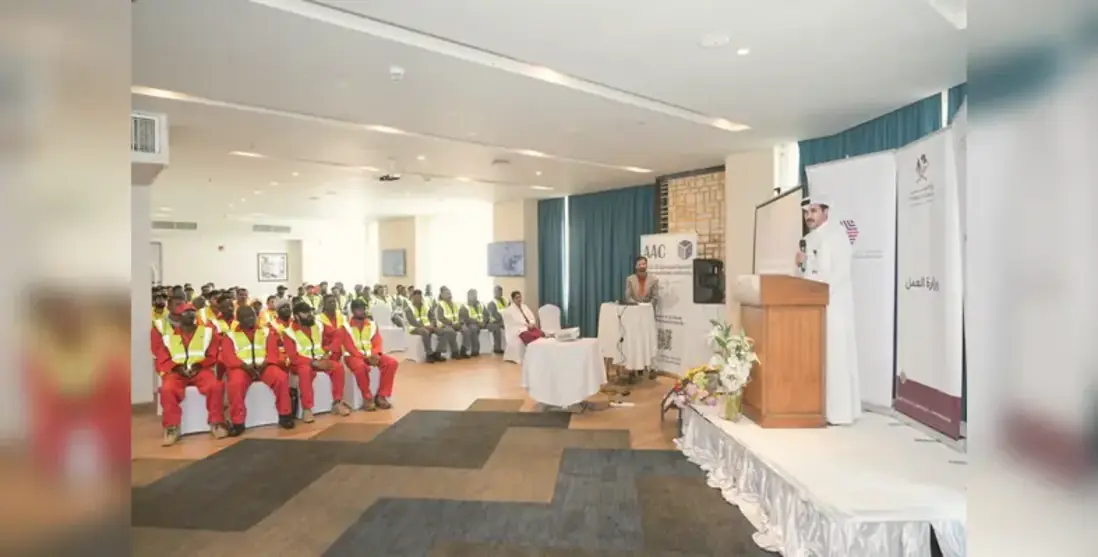
The Ministry of Labour, through its Occupational Safety and Health Department, has delivered three awareness workshops for workers and employer representatives in collaboration with Radisson Blu Hotel Doha, Generic Engineering Technologies & Contracting, and Al Attiyah Architectural Construction.
The sessions focused on strengthening preventive awareness, promoting a culture of occupational safety, and introducing practical measures to reduce work-related musculoskeletal risks across a variety of work environments. Specialists from the Ministry of Public Health’s Health Promotion Department and the Workers' Support and Insurance Fund Qatar supported the workshops.
Experts provided guidance on common musculoskeletal conditions, including lower back pain, neck and shoulder strain, joint injuries, slipped discs, and muscle spasms caused by heavy lifting or prolonged poor posture. They also emphasised key occupational risk factors, such as unsafe lifting, repetitive movements without breaks, extended periods of sitting or standing, improper tool use, and limited awareness of preventive behaviours.
Participants were trained in core prevention measures, including correct lifting techniques, site safety procedures, proper use of assistive equipment, regular rest breaks, stretching and strengthening exercises, consistent use of personal protective equipment, and early reporting of muscular pain or symptoms.
The initiative forms part of the Ministry’s ongoing programme of specialised awareness activities aimed at preventing workplace injuries, enhancing worker wellbeing, and improving productivity and sustainability. By engaging public and private sector partners, the Ministry seeks to foster safer, healthier, and more resilient work environments in line with national and international standards.