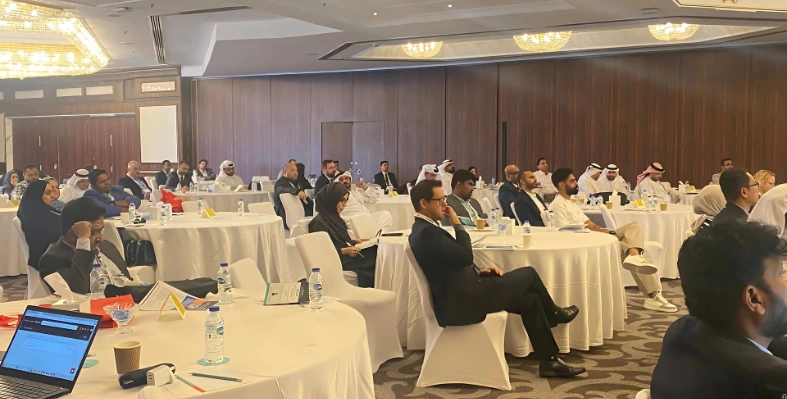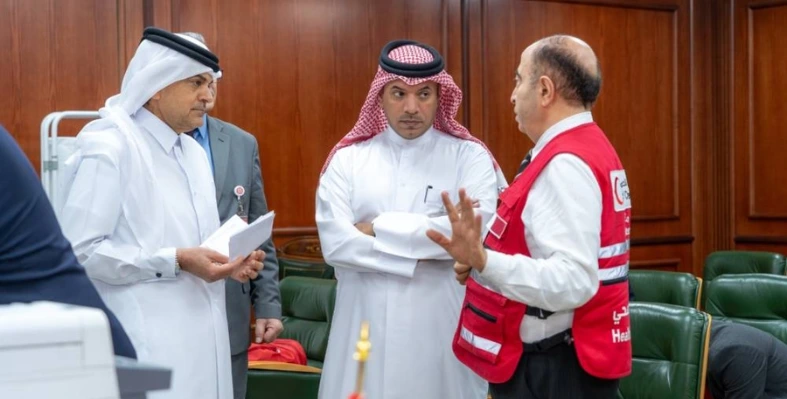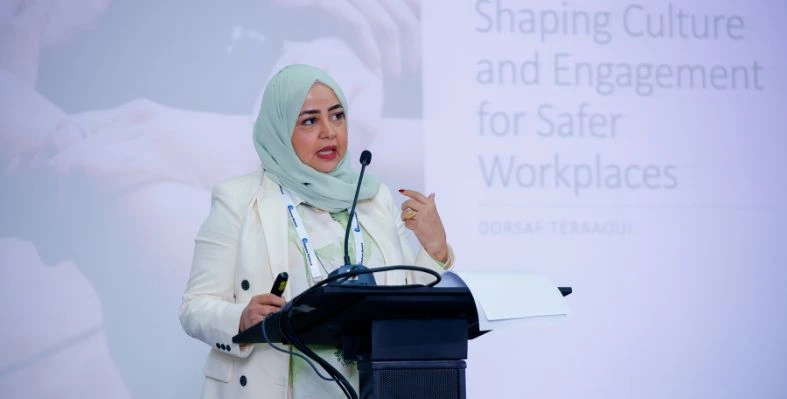
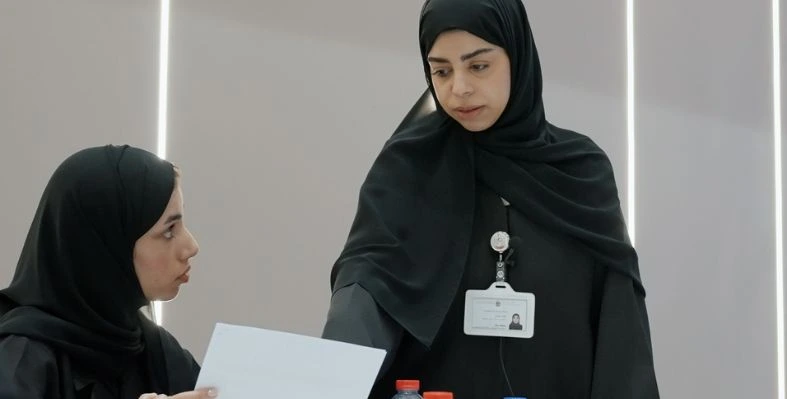
The Ministry of Health and Prevention (MOHAP), in cooperation with the Fujairah Government Human Resources Department, organised a workshop in the Emirate of Fujairah under the theme “Health-Supportive Work Environment”, reviewing the status of 14 entities assessed against the emirate’s health-supportive workplace standards.
Held towards the end of 2025, the initiative aims to enhance institutional performance while translating national health priorities into practical workplace applications for this year.
The workshop also aligns with MOHAP’s policy of integrating preventive health and wellbeing concepts into organisational systems, contributing to improved employee health, higher performance efficiency and an enhanced quality of life. It further reflects national priorities to build a more balanced and sustainable society.
During the session, MOHAP reviewed the results of assessments conducted across several federal and local entities in Fujairah. Discussions focused on developing a shared understanding of the role that individual health and healthy lifestyles play in shaping positive workplace environments. Participants also examined health-related challenges associated with work patterns and explored ways to strengthen institutional capacity to analyse existing conditions and develop practical, innovative solutions that support employee wellbeing, sustained performance and work–life balance.
The workshop addressed the objectives of the “Health-Supportive Work Environment” project, which forms part of the implementation plan for the National Guideline for Health-Promoting Workplace 2025. The guideline provides a comprehensive framework for policies that support physical, mental and social wellbeing, while aiming to reduce health risk factors, promote positive behaviours and enhance prevention and early detection. These measures are intended to improve job satisfaction, public health outcomes and long-term institutional sustainability.
Participants were also briefed on the approved framework for establishing healthy workplaces, beginning with environmental assessment and gap analysis, followed by programme planning, prioritisation, implementation and periodic impact measurement. Key areas discussed included strengthening organisational policies, promoting mental wellbeing, encouraging physical activity, improving nutrition patterns and adopting a holistic approach to employee health.
The workshop further explored the main pillars of the National Guideline for Health-Promoting Workplaces, which include institutional support and governance, mental health and wellbeing, healthy lifestyle practices, occupational health and safety, health screening and prevention, maternal health support and inclusive workplace practices for People of Determination.
H.E. Dr Hussain Al Rand, Assistant Undersecretary for the Public Health Sector at MOHAP, stressed that the Ministry adopts an integrated preventive approach that places human health at the centre of national policies and plans. “Healthy workplaces are among the key drivers of wellbeing and quality of life,” Al Rand said, noting that implementing the national guideline reflects a practical commitment to turning assessments into clear, actionable plans built on partnership and institutional integration.
Nouf Khamis Al Ali, Director of the Health Promotion Department at MOHAP, said the workshop marked a transition from assessment to planning and implementation for participating entities. She added that analysing Fujairah’s results and identifying improvement opportunities supports efforts to strengthen health-supportive work environments, noting that investment in employee wellbeing reflects the maturity and sustainability of institutional policies.