Regional Coverage
Regional Coverage
- Details
- Sania Aziz
- Europe

- Region: Europe
- Date: 7 March, 2025
- Year: 2025
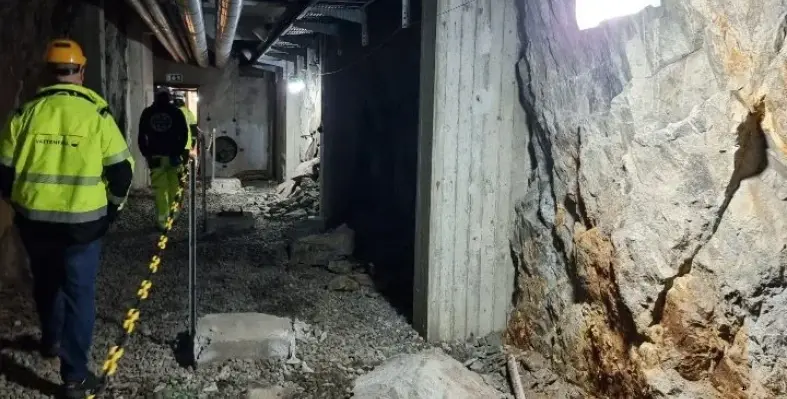
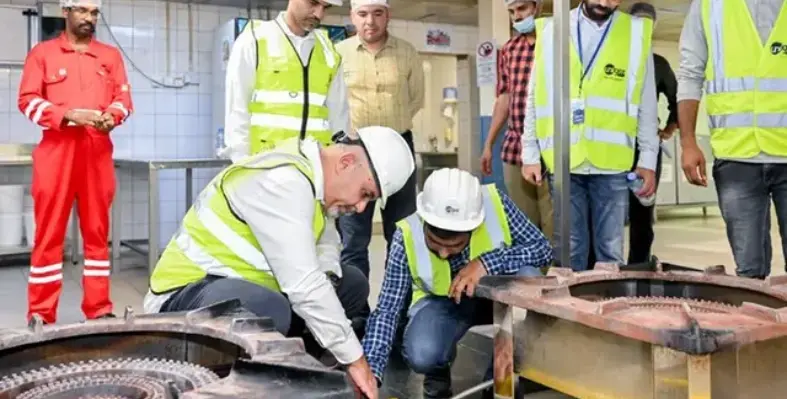
Vattenfall, one of Europe’s largest producers and retailers of electricity and heat, has used Flyability’s Elios 3 drone to create 3D models of restricted areas inside a decommissioned power plant, improving its understanding of locations deemed unsafe for human entry.
Once decommissioned, power plants often remain untouched for extended periods due to safety hazards and security concerns. Large industrial facilities present risks such as falls, head injuries, and confined space dangers. Additionally, the proprietary designs and operational methods of power plants require protection, leading to further restrictions.
Despite these constraints, companies must continue maintaining decommissioned plants. However, limited access makes it difficult to assess structural conditions, posing challenges for routine inspections and long-term planning.
Leveraging drone technology for inspection
The decommissioned facility, no longer in operation, had been repurposed as a training site for firefighters, but certain sections were still off-limits due to falling debris risks.
A long-time Flyability customer, Vattenfall saw potential in the Elios 3, an indoor drone equipped with a LiDAR sensor, for creating precise 3D maps of no-go zones. The company conducted test flights at the plant to determine whether the Elios 3’s simultaneous localisation and mapping (SLAM) capabilities could generate usable models.
Using the FlyAware SLAM algorithm, the drone processed real-time LiDAR data, creating 3D visualisations of restricted areas. The collected data was later refined with FARO software for higher-resolution post-processed models, enhancing the team's ability to understand the facility’s layout.
The test flights focused on a deteriorating stairwell, an area deemed unsafe for human entry. The Elios 3 successfully navigated the confined space, flying 30-40 m (98-130 ft) up the stairwell while maintaining a strong signal and collecting high-precision data.
Vattenfall’s R&D team confirmed that both the SLAM-generated and post-processed models met their inspection needs, demonstrating the potential for broader applications across other decommissioned plants.
Anders Lindström, Digital Inspection Specialist in Vattenfall’s R&D Department, said,
“The LiDAR capability is a great addition to the Elios' capabilities and it is so far the only drone with LiDAR capability in this size segment”.
Without the Elios 3, personnel would have needed rope access or scaffolding to inspect the site manually, a process that could take weeks and incur high costs. Instead, the drone completed the task in just 30 minutes, showcasing significant time, cost, and safety benefits.
- Details
- Louise Waters
- Middle East
- Region: Middle East
- Date: 6 March, 2025
- Year: 2025
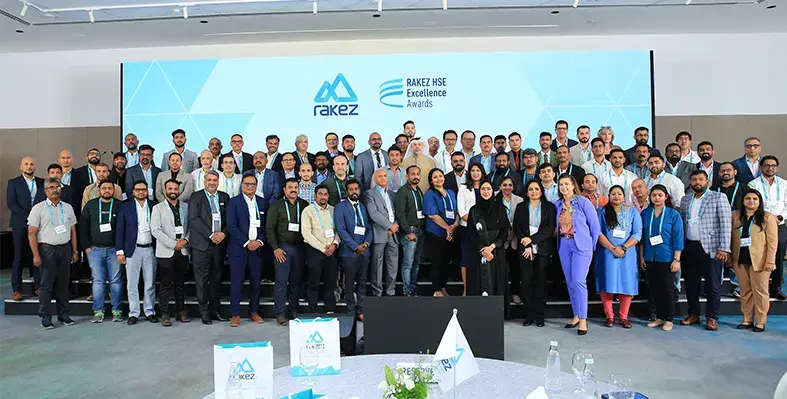
Ras Al Khaimah Economic Zone (RAKEZ) celebrated the commitment of RAKEZ-based businesses to high standards of health, safety and environmental practices at the annual HS&E Excellence Awards and Nujoom Al Salama Programme.
The awards recognised the significant strides companies have made in enhancing their HS&E protocols, compliance and innovation as well as exemplary adherence to safety standards, reinforcing the economic zone’s position as a leader in promoting a safe and sustainable business environment.
Highlights of the event included the Green Shield Award, which was presented to companies including Al Dobowi, Anchor Allied Factory – RAK Branch, Future Architectural Glass, and Jaleel Essential Food Industries for their dedication to environmental sustainability. Meanwhile, the Eversafe Compliance Award recognised businesses that demonstrated exceptional commitment to HS&E compliance and innovation, with awards going to A G M, Auto Bus Laser, Berg Industries, Conmix Ltd Ind., Gumpro Drilling Fluids, Kings Tobacco, Millennium Lubricant Refinery, Peikko Gulf, RAK Petropack, World of Tents Middle East.
Anchor Allied Factory, Jaleel Essential Food Industries, Joroga Worldwide, and Sobha Modular Industries received the FleetSafe Award for their exemplary transportation safety measures, while companies driving innovation in workplace safety, such as Jaleel Essential Food Industries, Kirby Building Systems, and Knauf RAK, were honoured with the Horizon Safety Innovator Award for their groundbreaking approaches to risk management.
RAKEZ also acknowledged newcomers who have made significant progress in their HS&E practices within their first year of operation. Geo Offshore Middle East and Milestones Pro received the HS&E First-Year Achievement Award, reflecting their rapid adoption of best practices. The Consultant Contribution Award was presented to EHS Management Consultants, HSEI Middle East Safety Consultancy and Training, and Lifeline Safety Consultancy for their pivotal role in guiding businesses toward higher safety standards.
A special segment of the event was dedicated to RAKEZ’s Nujoom Al Salama Programme, the UAE’s first star-rating initiative for HS&E performance. Seven companies, including Ace Cranes Engineering, Hira Industries, Huhtamaki Flexible Packaging Middle East, KWC ME, Vertiv Gulf, and Vesuvius Ras Al Khaimah, achieved the prestigious 5-star rating, recognising their industry-leading HS&E standards. Arc Middle East, Guardian RAK, Maico Gulf, Ni Met Recycling, Pioneer Cement Industries, and Unipods received a 4-star rating, while Anchor Allied Factory – RAK Branch and Naturelle earned a 3-star rating.
RAKEZ Health, Safety & Environment director Binu Kalarickan said, “At RAKEZ, we are committed to fostering a culture where health, safety, and environmental responsibility are integral to business success. These awards celebrate the dedication and proactive efforts of our clients in implementing best practices, ensuring safer workplaces, and promoting sustainability. Their achievements reflect the collective commitment of the RAKEZ business community to upholding the highest HS&E standards, which ultimately benefit not just individual companies but the entire economic zone."
RAKEZ also recognised its government partners in fostering a safer work environment, with representatives from RAK Municipality, Environment Protection and Development Authority, RAK Civil Defence, and RAK Public Service Department present at the event.
- Details
- Louise Waters
- Middle East
- Region: Middle East
- Date: 5 March, 2025
- Year: 2025
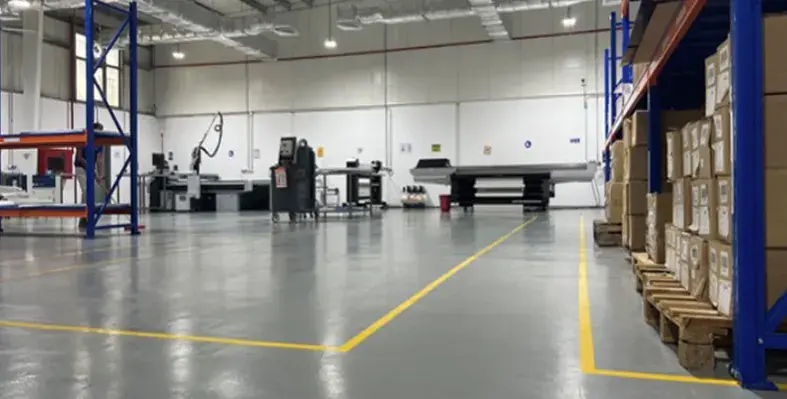
Brady Corporation has opened a new production facility in Dammam, Saudi Arabia to manufacture its quality identification and safety solutions
The new facility will produce high performance pipe markers, signs and identification solutions for Middle East construction contractors, oil, petrochemical, food and beverage companies. These are designed for reliability in challenging environmental conditions and can withstand exposure to oil, grease, chemicals, high heat, humidity or UV-radiation.
Brady’s new Dammam facility also includes a large warehouse to provide next day deliveries anywhere in the Middle East. Orders that need additional production, including larger volumes and customised pipe markers, signs and labels, can be produced and delivered within 48 hours.
The new facility will enable Brady to reduce shipping costs, optimise labour expenses and reduce delivery times.
“Thanks to our new local production capability and storage capacity, Brady will be able to respond quickly to emerging facility identification challenges anywhere in the Middle East,” said Christophe Nelissen, Middle-East & Africa senior regional manager at Brady Corporation.
“Leveraging Brady’s worldwide identification technology and know-how, production in Dammam is now ready to start manufacturing at worldwide quality levels, using state-of-the-art print engines.”
It is also envisaged that the new facility will generate additional economy and labour in neighbouring communities as it strengthens and increases its service levels to Middle East companies.
- Details
- Louise Waters
- North America
- Region: North America
- Date: 5 March, 2025
- Year: 2025
The American Society of Safety Professionals (ASSP), is playing a leading role in an occupational safety and health coalition committed to safeguarding workers in all industries to drive business success
The Intersociety Forum (ISF) of two dozen organisations, calls for employers to go beyond legal compliance and adopt risk-based safety and health strategies. The coalition has released a report that highlights several ways a business model of safety and health can create a strategic advantage that powers positive business outcomes.
By adopting proactive, risk-based safety strategies, businesses can unlock greater productivity, reduce costs and strengthen their global competitiveness, the report says. ISF urges today’s business leaders and policymakers to prioritise occupational EHS as a foundation of economic competitiveness. Embracing safety as a strategic priority will enable businesses to forge a safer, healthier and more prosperous future — one in which both businesses and workers thrive, and position the US as a global leader in safety, innovation and workforce wellbeing.
“We urge today’s business leaders and policymakers to prioritize environmental, health and safety practices as a foundation of economic growth,” said ASSP chief executive officer Jennifer McNelly, CAE. “When workers are protected from injuries and illnesses, they perform at their best, which fosters productivity, innovation and global competitiveness. Safety strengthens resilience and enables businesses to thrive.”
Despite advancements in technology, workplace injury and fatality rates have remained relatively flat for the past decade, the ASSP points out. In 2023, a worker died on the job every 99 minutes, according to the U.S. Bureau of Labor Statistics.
Three core principles
In its report, ISF identified three core principles that help ensure workers return home safe and healthy every day. These principles are:
1) Standards and worker well-being; safety is not just about compliance; it is about creating standards that foster business success while promoting holistic worker health.
2) Embracing risk and safety management systems, which help organisations proactively mitigate risk and embed safety into every aspect of decision-making; and
3) Revolutionising recordkeeping for predictive insights; traditional lagging indicators only tell part of the story. Leading indicators empower organisations to predict and prevent serious injuries, illnesses and fatalities.
“This guidance that goes beyond compliance can bring life to workplaces across the nation, empowering workers to perform at their peak,” McNelly said. “There are benefits to reducing operational disruptions and maximising efficiency through a sustainable workforce. Simply put, safety is good for business.”
“It’s vital that the coalition has achieved meaningful cross-organisation collaboration to speak as one voice from the safety industry,” she added.
- Details
- Sania Aziz
- Middle East
- Region: Middle East
- Date: 4 March, 2025
- Year: 2025
The Abu Dhabi Department of Energy (DoE) has rolled out the second phase of its public awareness campaign to promote the safe and responsible use of liquefied petroleum gas (LPG) systems across the emirate.
Timed to coincide with the start of Ramadan, the initiative, titled Your Safety is Our Priority, emphasises the importance of following safety standards and regulations to protect lives and property.
With cooking activities surging in homes, restaurants, and kitchens during Ramadan, the campaign seeks to remind residents and businesses of the critical need for safe LPG practices.
Protecting a wide range of sectors
It also aims to foster a culture of shared responsibility by engaging government and private sector stakeholders to deliver impactful safety messages and ensure a secure environment in Abu Dhabi.
The campaign targets a wide range of audiences, including domestic workers, labourers, employers, and companies in the food and hospitality sectors. It also focuses on recruitment agencies, urging them to provide adequate training for workers handling LPG systems.
H.E. Dr. Saif Saeed Al Qubaisi, acting director general of regulatory affairs at the DoE, highlighted the department’s commitment to building a sustainable and efficient energy sector while ensuring a safe and healthy environment for all residents.
Al Qubaisi further stated, "We firmly believe that the safety of the community is paramount in all aspects of LPG handling. With this campaign, our goal is to ensure that all organisations and individuals adhere to safety protocols and implement the required standards and conditions. This necessitates ongoing collaboration with all relevant parties to prevent accidents or potential hazards. Our collective commitment to upholding these standards helps build a more secure society and promotes the long-term sustainability of the sector as a whole."
Eng. Ahmed Alsayed Mohamed Alsheebani, the DoE’s acting regulatory affairs petroleum product sector executive director, stated, "The LPG Safety Campaign is a significant step in promoting safety practices within the community, particularly given the heightened gas usage during the holy month of Ramadan. We place considerable emphasis on delivering comprehensive awareness workshops and training programmes for all the campaign's target audiences, as we understand that ongoing education and training are key to mitigating risks associated with gas utilisation."
Alsheebani also pointed out that, "The success of this campaign relies not only on the awareness programmes we provide, but also on the unified efforts of the whole community. Accordingly, we urge restaurants and employment agencies to offer suitable training to workers; in doing so, we can effect a positive change in individual behavior and promote overall public safety."
- Details
- Matthew Hayhoe
- Middle East
- Region: Middle East
- Date: 3 March, 2025
- Year: 2025
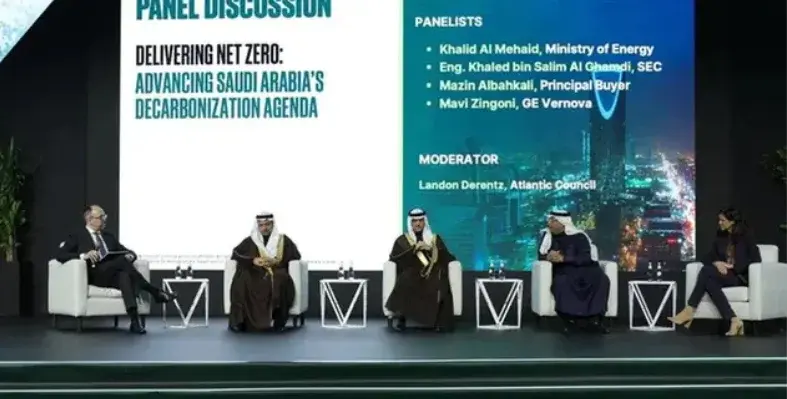
GE Vernova recently held the 'New Era of Energy' forum at the King Abdullah Petroleum Studies and Research Center, where CEO Scott Strazik said his company is "proud to continue our near century of contributions to the Kingdom’s power sector, and today’s announcements underscore our commitment to investing and expanding our work in this important region.”
During the event, GE Vernova signed an MoU with the Saudi Electricity Company, committing to help in Saudi Arabia's digitalisation, modernisation and acceleration of its energy transition goals. The partnership will see the deployment of GE Vernova's GridOS software and will aim to develop a Regional Center of Competency & Excellence in the Saudi capital.
GE Vernova also committed to significant spending on its GE Saudi Advance Turbines facility in Dammam, aligning with its MoU with National Grid. The facility will produce high-voltage gas-insulated switchgears.
Production will also be expanded at its existing GE Manufacturing Technology Center in Dammam.
Scott continued, "With a clear roadmap for Vision 2030 and beyond, Saudi Arabia is well placed to lead a new era of energy, and GE Vernova is honored to play a significant role in these efforts."

- Details
- Louise Waters
- Middle East
- Region: Middle East
- Date: 28 February, 2025
- Year: 2025
As the GCC construction market continues to expand, driven by ambitious sustainability goals and innovative technologies, the International Code Council (ICC), a leading global source provider of building safety solutions, highlights several key trends that are shaping the future of building safety and sustainable construction
The GCC construction market is projected to grow from US$177.77bn in 2025 to US$226.88bn by 2030, reflecting a CAGR of over 5% during the forecast period, according to Mordor Intelligence. In 2025, the region is poised to embrace transformative shifts, including the rise of net-zero buildings, sustainable building materials, and the integration of advanced technologies like 3D printing and offsite construction. These emerging trends as critical to ensuring the region’s construction sector remains at the forefront of global sustainability and safety standards, according to the ICC, which emphasises the importance of a holistic, government-driven approach to leveraging opportunities for energy efficiency and sustainability.
Sustainability and green construction
As change of climate becomes an increasingly critical global issue, the GCC region is shifting toward energy-efficient, net-zero buildings. With ambitious emissions reduction targets set by governments, including Saudi Vision 2030 and the UAE’s Net Zero 2050 initiative, the demand for sustainable buildings is expected to grow exponentially.
The region is experiencing a surge in demand for innovative, eco-friendly building materials such as low-carbon concrete, recycled steel, and sustainably sourced materials. These materials are becoming central to modern construction practices, contributing to the overall reduction in environmental impact.
Additive manufacturing technologies, particularly 3D printing, are transforming the construction industry. By enabling rapid prototyping, customised designs, and cost-effective solutions, 3D printing is playing a key role in reducing material waste and improving energy efficiency, thereby reinforcing sustainable construction practices across the region.
Offsite construction methods, such as modular and prefabricated building solutions, are gaining momentum in the MENA region. These innovative approaches improve construction timelines, enhance quality control, and contribute to safer working environments. By shifting construction processes to factory-controlled settings, offsite construction also minimises material waste, making it a highly sustainable choice.
Energy-efficient HVAC systems are becoming a priority. These systems incorporate smart technologies, renewable energy integration, and advanced energy recovery mechanisms, all aimed at reducing carbon footprints while enhancing indoor air quality in buildings.
Addressing workforce challenges
As the GCC construction industry embraces advanced technologies such as AI, robotics, and sustainable construction methods, there is an increasing demand for skilled labour. To bridge this skills gap, both governments and private sector stakeholders are investing in comprehensive training programmes, apprenticeships, and upskilling initiatives. ICC supports the industry with training and certification programmes crucial to elevating skill excellence and meeting this growing demand.
By providing relevant codes, standards, and resources tailored to the region’s unique challenges, the organisation aims to drive progress in creating safer, more sustainable built environments.
Mohamed Ahmed Amer, regional director of operations at ICC MENA, said, “The construction industry in the GCC is set for significant growth as it responds to the demands of global markets and tackles the challenges of environmental sustainability. The 2025 Construction Forecast highlights the need for stakeholders in the region to embrace emerging trends and innovations.”
- Details
- Louise Waters
- North America
- Region: North America
- Date: 26 February, 2025
- Year: 2025
Hydrogen sulphide (H2S) causes challenges for many industries, with the oil, gas and petrochemicals industry being one of the most affected, says MSA Safety
Hydrogen sulfide is a highly flammable, toxic and corrosive gas found in several industries including oil and gas, wastewater and chemical processing, which cannot reliably be detected by smell.
Oil, gas and petrochemical facilities handle raw ‘sour’ gas and oil which are naturally high in H2S. Extraction and refining processes release H2S, which may accumulate in confined, poorly ventilated spaces like processing units, pipelines and storage tanks. Closed systems with high-pressure conditions amplify the risks for workers.
Exposure to high levels of H2S can be fatal, leading to loss of breathing, coma, seizures and death. It is the second most common cause of fatal gas inhalation exposure in the workplace, second only to carbon monoxide.
H2S can also be harmful at low concentration levels, causing headaches, dizziness, nausea, breathing difficulties and a sore throat. These health impacts can become more serious with prolonged exposure.
The health impacts of H2S depend on how much is inhaled and for how long. The recommended exposure limit set by NIOSH (the US National Institute for Occupational Safety and Health) for ten minutes is 10 ppm.
However, some U.S. states have developed ambient air standards for H2S well below OSHA and NIOSH standards due to concerns about health risks from chronic exposure.
For longer exposures to H2S, the recommended limits are much lower. For example, if you are exposed for up to 24 hours, the World Health Organisation (WHO) recommends a maximum exposure of 0.1 ppm.
In response to concerns about the risks of H2S to human health even at low concentration levels, some countries have introduced equally stringent guidelines requiring businesses to monitor H2S at such concentrations.
Balancing safety and operational efficiency is an ongoing challenge in the oil, gas and petrochemical industry. Some are tackling this challenge by integrating new technological solutions into their safety management practices and seeking out effective preventative measures, including regular training and effective ventilation. The use of Personal Protective Equipment is also important.
A particularly helpful method for avoiding excessive H2S exposure is constant monitoring by advanced gas detection systems such as MSA’s ALTAIR io 4 Connected Gas Detector, which can give an early warning of even subtle increases in H2S concentration, helping companies stay ahead of potential risks. The company has recently updated this to offer the option of a low-concentration hydrogen sulfide sensor that can detect H2S at very low levels.
Connected gas detection devices can help an organisation significantly improve worker safety by providing real-time monitoring of gas levels and worker location and behaviour, enabling safety managers to monitor the situation remotely and take immediate action if gas levels become or get close to becoming dangerous. This proactive approach to safety can help prevent accidents and foster a culture of safety within the organisation.
As with all toxic gases, early detection of H2S is an excellent way to alert safety managers to small increases in H2S emissions so they can help workers avoid harmful exposure, even at low concentrations.
- Details
- Matthew Hayhoe
- Middle East
- Date: 25 February, 2025
- Year: 2025
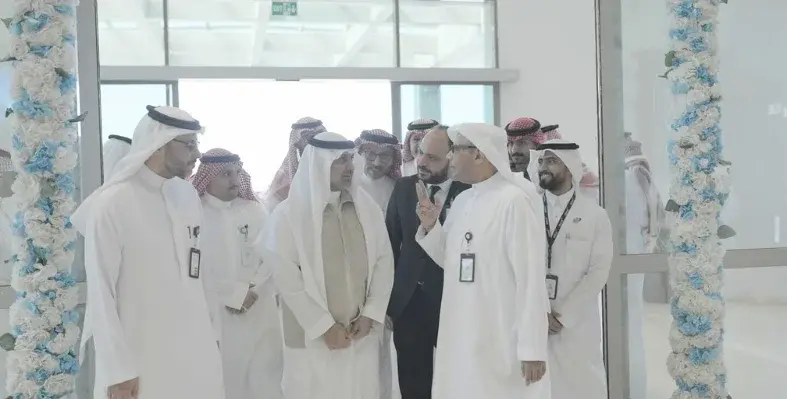
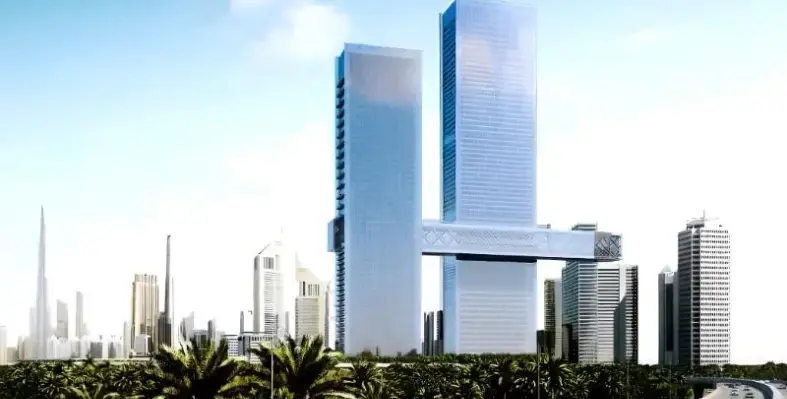
Weeks after HIMSS recognised its Dammam hospital with Stage 6 certification, Saudi German Health welcomed the Kingdom of Saudi Arabia's Minister of Health, H.E. Fahad Abdulrahman AlJalajel, to its Makkah hospital.
Saudi German Health's vice chairman, Makarem Sobhi Batterjee, said the company was "deeply honoured to welcome... the Saudi Minister of Health to SGH Makkah.
"This visit highlights our long-standing commitment to enhancing the nation’s healthcare services by adopting a holistic approach that combines compassion and innovation.
"At Saudi German Health, we aim to advance the strategic objectives of ‘Saudi Vision 2030’ by delivering personalised care, guided by our guiding ethos of ‘Caring Like Family’. On this occasion, I want to express my sincere gratitude to our incredible team for making this achievement possible."
- Details
- Sania Aziz
- Middle East
- Region: Middle East
- Date: 24 February, 2025
- Year: 2025
Encardio Rite, a leader in geotechnical and infrastructure health monitoring, is set to host Safe Dubai 2025 in collaboration with the Society of Engineers – UAE.
The event, taking place on February 27 at the Grand Hyatt, Dubai, will focus on advancing infrastructure resilience and safety amid the city's rapid urban expansion.
Bringing together top industry experts, policymakers, academics, and innovators, Safe Dubai 2025 will provide a platform for exchanging insights and shaping a roadmap for long-term infrastructure sustainability.
The event comes at a time when the global geotechnical engineering market, valued at US$2.57bn in 2023, is projected to grow at a CAGR of 6.3% through 2030, reflecting the rising demand for advanced engineering solutions in high-risk environments.
Building resilience
Dubai’s skyline, home to iconic projects like the Burj Khalifa and Dubai Metro, stands as a testament to engineering excellence.
However, as urbanisation accelerates, there is an increasing need to prioritise safety, resilience, and sustainability in construction.
Safe Dubai 2025 will address critical topics such as resilient infrastructure development, cost management, risk mitigation, global best practices, AI’s role in construction, and sustainability in urban planning.
With its reputation as a global leader in urban transformation, Dubai has the opportunity to set a new benchmark in infrastructure resilience.
Safe Dubai 2025 aims to drive a multi-disciplinary dialogue, ensuring that innovation, safety, and sustainability remain at the forefront of the city’s development strategy.
“Dubai continues to lead the world in urban innovation, ensuring the safety and longevity of its infrastructure is paramount. Infrastructure safety is about people – reliable roads, buildings, and transportation networks directly impact public safety, economic stability, and quality of life,” said Arushi Bhalla, managing director, Encardio Rite.
“Safe Dubai 2025 is not just about engineering excellence; it is about creating a sustainable future where technology, resilience, and safety work hand in hand to shape the cities of tomorrow.”
Bhalla, who will be present at the event, will discuss topics surrounding the UAE's construction landscape & trends, UAE projects Encardio Rite are currently working on, the need for construction safety monitoring & reducing site uncertainty in urban development, impact of tech on the sector, green construction practices, and industry best practices and the latest innovations.
Key topics that will be addressed at Safe Dubai 2025 include: building a resilient infrastructure, managing costs, risk management, global best practices, how artificial intelligence is revolutionising the construction sector and sustainability in construction.

- Details
- Sania Aziz
- Europe
- Region: Europe
- Date: 21 February, 2025
- Year: 2025
The 2024 European Survey of Enterprises on New and Emerging Risks (ESENER) provides fresh insights into workplace risks across Europe, with musculoskeletal disorders, psychosocial stress, and digitalisation emerging as key concerns.
The survey, conducted across all sectors, highlights persistent challenges, such as prolonged sitting and repetitive movements, while also revealing the increasing impact of modern work practices on occupational safety and health.
Musculoskeletal risks remain dominant, with 64% of workplaces citing prolonged sitting as the most common issue, followed closely by repetitive hand or arm movements, reported by 63%.
Additionally, 52% identified lifting or moving heavy loads as a significant risk. The growing prevalence of remote work—up from 13% in 2019 to 23% in 2024—has further contributed to concerns about ergonomic hazards and digital workplace risks.
Psychosocial risks have also become a major challenge, particularly in service industries. More than half of surveyed organisations (56%) identified dealing with difficult customers, patients, or pupils as a key issue.
However, 25% of organisations still fail to acknowledge psychosocial risks, a shortfall that underscores the need for targeted interventions.
Worrisome trends
Reflecting on the results, EU-OSHA executive director William Cockburn stated, “25% of organisations still fail to recognise the presence of psychosocial risks, highlighting a significant shortfall in addressing these important issues. This underlines the importance of our upcoming Healthy Workplaces Campaign, launching in 2026, which will focus on tackling the impact of psychosocial risks at work on workers’ mental health.”
Among workplaces that recognise psychosocial risk factors, 21% find them harder to manage than other occupational safety and health (OSH) risks. Perceptions vary by country, with Sweden (38%) and Denmark (37%) reporting the greatest challenges.
Employee participation in designing measures to mitigate psychosocial risks has declined slightly, dropping from 61% in 2019 to 55% in 2024.
Digitalisation is increasingly influencing workplace safety, with 43% of organisations incorporating digital technologies into their risk assessments, a rise from previous years. Spain and Slovenia lead the way, with over 60% of workplaces considering digital risks in their assessments.
Training on digital technology usage has also expanded, reaching 42% of workplaces overall and 75% in Malta.
Companies are also reporting new risks associated with digitalisation, including increased work intensity (34%), information overload (32%), and blurred boundaries between work and personal life (27%).
Encouragingly, consultation with employees on the impact of digitalisation has improved, with 35% of workplaces engaging workers on these issues—up from 24% in 2019.
These preliminary findings mark the beginning of a deeper analysis of ESENER 2024 data.
Additional reports will be published through 2026, offering further insights into the evolving landscape of workplace risks in Europe.
- Details
- Louise Waters
- Middle East
- Region: Middle East
- Date: 20 February, 2025
- Year: 2025
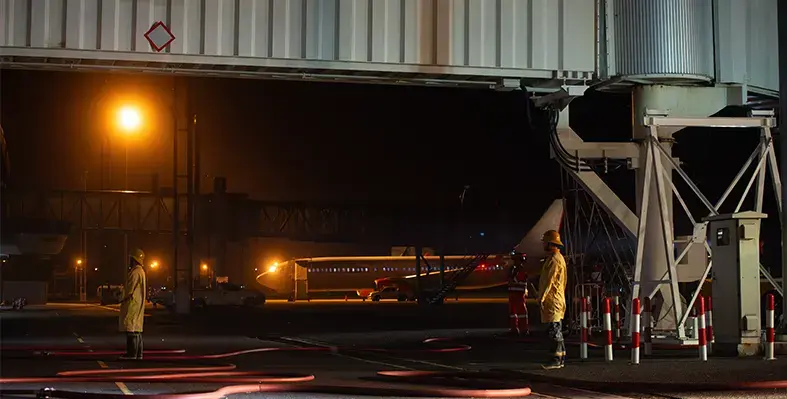
The National Fire Protection Association (NFPA) and Saudi Arabia’s Dammam Airports Company (DACO) have announced a collaboration to improve fire safety standards
This is designed to advance fire prevention and raise awareness of fire risks, and will entail the delivery of education, training, and certification for fire safety professionals. It will see DACO incorporating global best practices and developing new safety protocols, benefiting from NFPA expertise.
Through this agreement, DACO will gain access to NFPA educational and training resources as well as certification programmes. DACO fire and life safety specialists will also receive NFPA membership, enabling them to participate in relevant industry events and the ability to review standards and codes as needed. The collaboration will also leverage insights from the NFPA Fire & Life Safety Ecosystem, a framework designed to reduce risks and prevent injuries, fatalities, and property losses caused by fire, electrical, and other hazards.
Mansour F. Al-Otaibi, chief financial officer at DACO said, “We are delighted to collaborate with NFPA to provide professionals in fire and life safety with access to world-class education and training on safety codes and standards, enabling us to create the safest possible environments. With the aim to enhance the Kingdom’s aviation sector, maintaining the highest fire and life safety standards remains a top priority to ensure the safety and well-being of both our employees and the public.”
Michael Brunzell, vice president of global business development at NFPA, added, “We are excited to team up with DACO to help them further improve fire and life safety standards. As infrastructure development continues to grow in the region, it’s vital for governments, professionals, educational institutions, and industry leaders to work together to maintain the highest safety standards. This partnership will help create a strong network where fire safety professionals can stay informed with the latest resources, enabling them to ensure safer environments for all.”
The US-based NFPA is stepping up its collaboration with Saudi Arabia to advance fire and life safety standards in line with the country’s rapid development. It set up an office in Riyadh last year to enhance direct collaboration with Saudi authorities and local stakeholders, as well as to act as a hub for safety initiatives across the Middle East and North Africa. Through it, NFPA is looking to play a key role in supporting Saudi Arabia’s mega-projects such as NEOM, the Red Sea Project, and Qiddiya which are central to the Vision 2030 plan.