Europe
Europe
- Date: 28 November, 2025
- Year: 2025
The EU’s Vision Zero initiative, aiming for zero fatalities and serious injuries on European roads by 2050, has brought road safety into sharp focus.
While infrastructure improvements and driver training remain important, the spotlight has shifted to standardising vehicle safety technology. This is the aim of the EU General Safety Regulation (GSR), a comprehensive framework mandating advanced safety features in new vehicles.
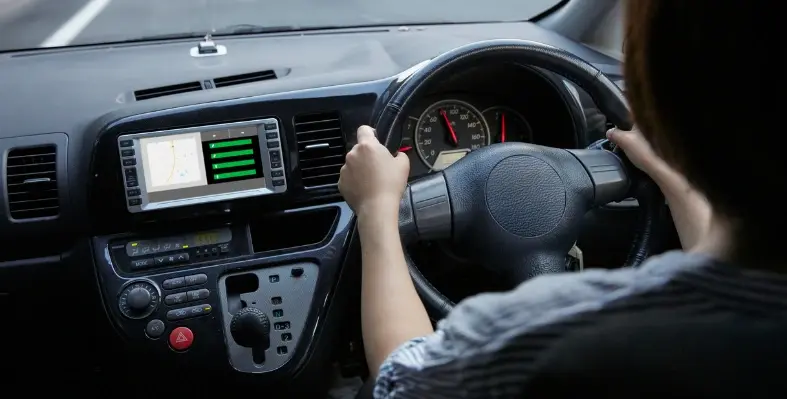
For Europe’s largest asset-based logistics company, Girteka, the results are already evident. The GSR was introduced to tackle the human error factor, which accounts for up to 90% of road accidents, and to make vehicles safer for both occupants and Vulnerable Road Users (VRUs) such as pedestrians and cyclists. Its phased implementation began in July 2022 for new vehicle types with basic advanced systems, progressing to all new registrations in July 2024, requiring a full suite of eight mandatory Advanced Driver Assistance Systems (ADAS) on trucks and buses, including blind spot detection, advanced emergency braking (AEB), lane-keeping assistance, intelligent speed assistance, and driver fatigue monitoring.
Eurostat reports that in 2024 there were over 4 million goods vehicles registered in the EU, with vehicles over 30 tonnes completing 83.1% of total freight transport in tonne-kilometres. HGVs under two years old accounted for 20.2% of road freight, highlighting the sector’s rapid fleet renewal. Manufacturers including Volvo, Scania, Mercedes-Benz, DAF, and MAN have embraced the regulations, incorporating ADAS technologies that were previously optional.
Real-world impact
Scania noted that its trucks already had “most of the required safety assistance technology,” while DAF and Volvo confirmed compliance and projected further advancements in active safety technology. Anna Wrige Berling, Traffic and Product Safety Director at Volvo Trucks, said, “Looking further ahead, trucks will become more intelligent and more active when it comes to safety, with more features that intervene rather than just inform,” emphasising that drivers remain “the most important safety system in the truck.”
Girteka’s experience demonstrates the real-world impact of these regulations. Since July 2024, the company has added over 2,400 GSR-compliant trucks to its fleet, with plans for up to 8,000 more by 2026. Internal data shows a 10% reduction in accidents within a year, particularly in low-speed manoeuvres, small collisions, and blind spot incidents, the very scenarios the new ADAS technologies were designed to address.
Dainius Augutis, Transport Function & Support Department Manager at Girteka, said, “The EU's GSR is a powerful market signal that pushes safety technology from a premium add-on to a universal standard. The collaboration between fleet owners like Girteka, who provide the data and demand, and manufacturers, who provide the engineering, is what makes Vision Zero achievable.”
Beyond metrics, the human impact is profound. Drivers benefit from safer conditions and lower stress, communities face reduced risks, and clients experience fewer disruptions. By combining regulation, advanced technology, and comprehensive driver training, Girteka shows that safety excellence is inseparable from operational excellence. The company’s results underline that well-designed regulations and proactive fleet investment can accelerate safety innovation, offering a blueprint for the future of safer, smarter logistics across Europe.
- Date: 20 November, 2025
- Year: 2025
SHOWA has introduced ChemRest CC700, a new glove developed to solve a long-standing safety challenge in high-risk sectors: achieving dependable chemical resistance and strong cut protection without sacrificing dexterity.
Workers in industries including mining, chemicals, oil and gas, and heavy construction are routinely exposed to sharp edges and hazardous liquids. Until now, employers have typically faced a trade off between thick chemical resistant gloves that restrict movement or lighter cut resistant gloves that fail to provide sufficient protection from liquids. CC700 has been engineered specifically to eliminate this limitation.
The glove features an 18 gauge seamless HPPE knit liner that delivers a close, flexible fit. This is paired with a double dipped nitrile coating and a rough textured palm that enhances grip in oily or wet environments. The design improves durability, control and comfort while helping reduce the hand fatigue that often results from wearing chemical protective gloves for long periods.
ChemRest CC700 is certified to EN 388:2016 cut protection at Level E (ANSI A5) and EN 374 1:2016 Type A chemical resistance. This makes it a genuine dual protection solution for today’s demanding workplaces. Safety is further supported by an orange indicator yarn embedded in the liner, which makes damage or wear visible more quickly.
“Employers have long faced the dilemma of protecting their teams against both chemical and cut hazards without forcing them to compromise on performance,” said Tony Lynch, Vice President EMEA & USA, SHOWA. “ChemRest CC700 is the first glove in its class to deliver robust protection on both fronts while maintaining the dexterity needed for precise tasks. It not only improves safety but also simplifies PPE selection and inventory management for our customers.”
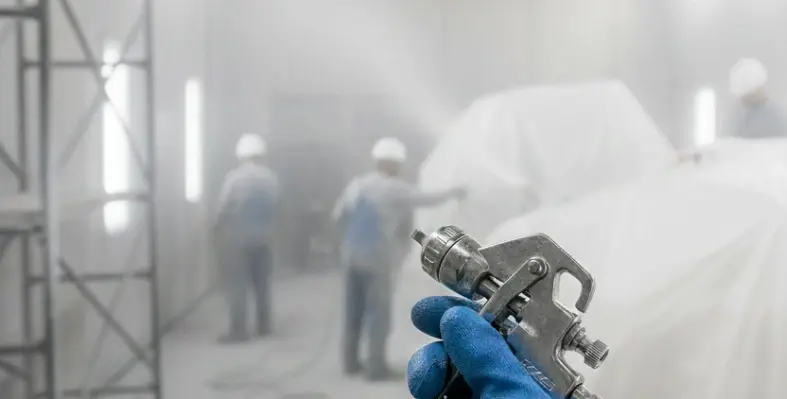
By removing the need for multiple glove types on site, CC700 helps streamline PPE training and reduces the risk of workers selecting the wrong protection in fast paced environments. Available in sizes from S to XXL, it has been developed with diverse workforces in mind and is suited to mineral handling, chemical treatment, painting, spray workshops and drilling tasks.
The launch of CC700 reinforces SHOWA’s standing as an innovator in industrial hand protection. By integrating advanced cut resistant yarns with proven chemical barrier technologies, the company continues to push safety standards forward for high risk industries.
- Topic: HSE
- Region: Europe
- Date: 5 November, 2025
- Year: 2025
Responding to the evolving needs of workers and ensuring they have the right tools for their jobsite continues to inspire innovation at MSA Safety, Inc..
This week, the global safety equipment leader unveiled its latest detection solution, the ALTAIR io 6 Multigas Detector, making its European debut at the 2025 A+A International Trade Fair & Congress (A+A) in Düsseldorf, Germany.
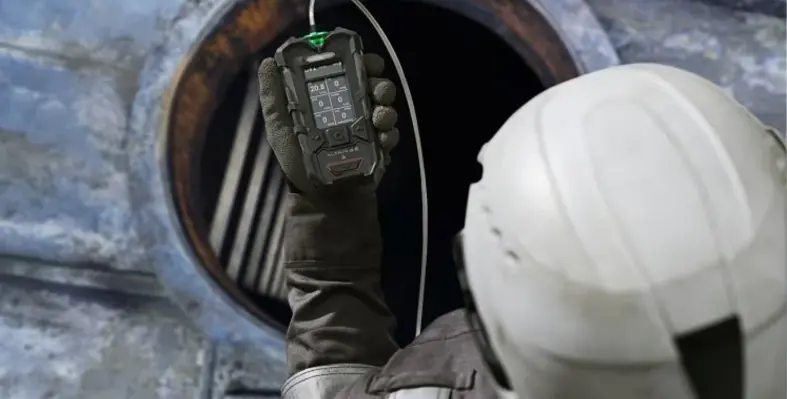
The ALTAIR io 6 Multigas Detector will become the newest addition to the MSA Connected Work Platform. Designed for confined space monitoring and sampling applications, this six-gas detector is MSA’s first cellular-connected device featuring an integrated pump. Compact and versatile, it includes MSA’s XCell sensors, a large, highly visible screen, and a removable, rechargeable external battery, making it suitable for both handheld use and wearable operation.
Joining the ALTAIR io 4 Gas Detection Wearable on the Connected Work Platform, the new device expands MSA’s connected safety ecosystem. While the ALTAIR io 4 serves as a personal, continuous monitoring device, the ALTAIR io 6 is designed for sampling confined spaces and pre-entry checks on job sites. Both detectors are widely used in the construction, manufacturing, oil and gas, and utilities sectors.
Sharing similar technology, both detectors offer the same intuitive interface and are powered by MSA Grid software, enabling seamless integration within a fleet of gas monitors. This connected framework provides a powerful digital safety ecosystem, enhancing real-time worksite monitoring and safety management. MSA Grid delivers live device location and alert data, along with instant access to individual or fleet-wide information. The ALTAIR io 6 is expected to be available for order in early 2026.
“Our focus is on helping to keep workers safe by developing innovative safety solutions so our customers can enhance protection, compliance, and efficiency,” said Dave Howells, president of MSA International. “By featuring our Connected Work Platform and broad range of industrial safety solutions, we’ll give A+A attendees a hands-on experience to learn more about how MSA is using technology and data to help make it easier for workers to have the best solution for their job.”
At A+A 2025, attendees will have the opportunity to interact with MSA product experts across key safety domains, including fall protection, head protection, respiratory protection, and detection monitoring solutions. Featured products on display include:
* V-Series Harnesses – Built for comfort, flexibility, and easy adjustment, these harnesses are engineered to better contour the body and help workers stay focused on their tasks.
* MSA Latchways Lifeline Systems – Innovative safety systems offering maximum mobility for workers on rooftops or within indoor facilities.
* V-Gard Safety Helmets and Protective Caps – Customisable head protection solutions listed in the CIOB #PPEthatfits Directory of Inclusive PPE for diverse workers.
* MSA M1 Self-Contained Breathing Apparatus (SCBA) – Engineered for industrial, confined space, and firefighting environments, offering adaptability and improved user mobility through a single facepiece design.
* FL500-H2 UV/IR Flame Detector for Hydrogen – Provides rapid response and reliable fire protection in hydrogen-related applications.
* ULTIMA X5000 Gas Monitor – Equipped with dual sensing technology and Bluetooth connectivity for remote gas detection of oxygen, toxic, and combustible gases.
Through these innovations, MSA Safety continues to redefine connected safety, combining intelligent data, advanced sensing technology, and worker-centric design to create safer, smarter workplaces across industries.
- Date: 24 October, 2025
- Year: 2025
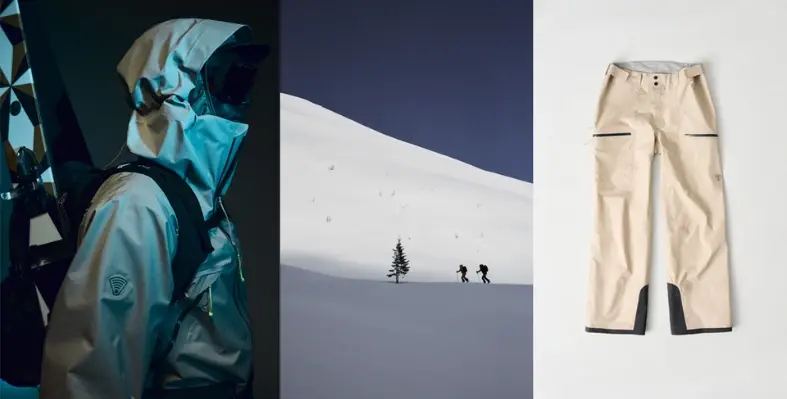
Twiceme Technology formed a partnership with Haglöfs, the renowned Swedish outdoor brand, introducing its digital safety technology to winter apparel for the first time. The new Haglöfs ski touring set integrated Twiceme’s smart safety system directly into the garments, enabling outdoor enthusiasts to take greater control of their safety while exploring mountain terrain.
The collaboration combined Haglöfs’ expertise in high-performance outdoor clothing with Twiceme’s advanced digital safety platform, marking a significant step towards making personal safety an inherent part of every outdoor adventure. Using Twiceme’s built-in NFC technology, users and first responders could instantly access essential safety information by tapping a smartphone on the Twiceme symbol on the garment. This worked even without an internet connection when using the Twiceme app.
Through the app, wearers gained access to a suite of features that included a locally stored medical ID, emergency contact information, and options to share GPS locations or trigger alerts. The “Get Back Timer” allowed users to set a return time, notifying contacts if they did not return as expected, while an “Immobility Alert” detected prolonged inactivity and sent an emergency signal.
“Our partnership with Haglöfs empowers people to take control of their safety during outdoor activities,” said Christian Connolly, CEO of Twiceme Technology. “For the first time in winter clothing, we’re giving users the tools to be proactive about their safety.”
The collaboration marked Twiceme’s entry into the winter outdoor apparel market and represented a milestone in its mission to establish a Digital Safety Standard. Haglöfs joined a growing network of more than 45 brand partners already working with Twiceme to integrate digital safety into adventure and work environments.
By combining technology and performance design, the partnership demonstrated how innovation could enhance both functionality and safety in extreme conditions, setting a new benchmark for the outdoor clothing industry.

- Date: 16 October, 2025
- Year: 2025
A recent report from Britain’s Health and Safety Executive examines the growing role of artificial intelligence in regulated industries and its potential implications for workers.
Drawing on around 250 case studies of AI development and deployment, the report highlights four main areas where AI is being applied: maintenance systems, health and safety management, control of equipment and process plant, and occupational monitoring.
Examples in the report show AI being used for advanced inspections and failure monitoring, risk assessment and incident analysis, the operation of autonomous vehicles and robotic systems, and monitoring of workplaces and employees.
It also outlines a range of potential health and safety risks associated with AI, identified by survey respondents. These include overreliance on AI, which could reduce employee attention and undermine safety culture; deskilling of staff as AI takes over tasks; inaccurate safety assessments; systems failing to alert operators or producing false alarms; data privacy and security breaches; flawed or biased data affecting safety decisions; and complex AI-driven decisions that are difficult to interpret, making failures harder to prevent.
The report also recommends control measures and best practices to ensure AI systems are designed, deployed, and managed safely and securely. It includes guidance on processes, standards, and practices, as well as a sample three-year AI implementation plan and an overview of challenges organisations may face when integrating AI into safety-critical operations.
“AI is rapidly developing in capability and is a transformative technology,” HSE said when it announced the report’s release. “It can create and exacerbate health and safety risk but also has the potential to bring real benefits for health and safety.”
- Topic: HSE
- Region: Europe
- Date: September 2, 2025
- Year: 2025
EU-OSHA's recent Pulse 2025 worker survey revealed that 33% of workers across the EU are exposed to climate change-related risks in the workplace
20% of the survey's respondents reported extreme heat exposure in the workplace, with 19% exposed to poor air quality.
35% of workers in agriculture, horticulture, forestry or fishing reported heat-related risk exposure. That figure sits at around 25% for construction and energy workers.
Of those exposed to heat risks in the workplace, one in 10 has been affected by heat-related symptoms like cramps or heatstroke. The same percentage works in intense sunlight.
EU-OSHA's executive director, William Cockburn, reacted to the survey's findings. "These findings show that workers across Europe face complex and evolving challenges. Nearly three in ten struggling with stress, depression or anxiety linked to their jobs. About a third worried that climate change could put their safety and health at risk.
"From adapting workplaces to the physical effects of climate change, to reducing the stigma around mental health and ensuring digital tools are introduced ethically ─ protecting the safety, health and dignity of Europe’s workforce must remain a top priority. This is especially important as we navigate the twin transitions of climate and digital change."
As Cockburn highlighted, it is not just climate-related risks and hazards facing workers. 44% of Pulse 2025 respondents reported severe time pressure or work overload, a figure that rises to half (50%) for health and social care workers.
Perhaps even more detrimentally to the talent pool and wider work force: 49% believe that disclosing details around their potential mental health risks and conditions could impact their careers negatively.
2025's Pulse survey was conducted in April 2025 among a pool of over 28,000 workers from across the European Union, including, for the first time in the survey's history, Switzerland.
- Date: 26 September, 2025
- Year: 2025
This year’s Fall Prevention Awareness Week demonstrated how far the UK has come in tackling deaths and severe injuries caused by falls.
Most hearteningly, it showed that organisations and the wider public are beginning to change from the belief that falls are just an inevitable part of ageing, but rather a serious – and often deadly – health risk.
However, as the Falls Prevention Awareness Week theme ‘From Awareness To Action’ illustrates, it is practical evidence-based interventions that are most needed to tackle the rising crisis in deaths from falls, which have increased by 90 per cent over 10 years. Accidental falls also account for over 400,000 A&E admissions, putting immense pressure on the NHS and costing over £4 billion every year.
Practical evidence-based interventions are exactly what RoSPA provides through our Fall Fighter campaign and online Falls Prevention hub. Designed in collaboration with housing providers and healthcare experts, these free resources enable individuals at particular risk, and the professionals or family and friends who may be caring for them, to reduce the likelihood of a serious fall at home.
Crucially, while the resources contain plenty of advice on eliminating trip hazards in the home, Fall Fighter focuses on the person themselves, as opposed to just the environment around them. For example, physical deconditioning caused by a sedentary lifestyle – exacerbated by periods of inactivity as seen during the COVID lockdown – is a major risk factor for falls. The Falls Management Exercise (FaME) 24-week programme showed 20-30 per cent of older adult falls could be prevented by improving strength and balance, and our resources contain advice for simple exercises to improve strength and balance.
Workplace falls
However, while falls account for four out of five hospital admissions for people over 65, and over 50 per cent of falls happen at home, there are valuable lessons for other groups in other places too. Falls from height are the biggest single cause of deaths in the workplace, so the concept of putting people at the centre of falls prevention has particular importance for occupational safety and health (OSH) strategies, especially as an ageing workforce brings increased levels of risk. Nor are those risks just to do with physical strength or frailty – mental health issues caused by workplace stress or the side-effects of prescription medication can also make a severe fall more likely.
This means that preventing falls in the workplace must move beyond simply asking ‘What shoes are people wearing?’ to asking ‘What are all the different risks for each individual worker?’. This necessary holistic perspective on risk must come from good staff engagement to understand all the many issues – personal, social and clinical as well as environmental – at play. In other words, managing fall risks effectively in the workplace means listening to what staff say as well as what can be seen or what data shows. Just as no good safety manager would ignore the risk of falls posed by a cluttered floor, they cannot afford to ignore equally dangerous issues that cannot always be seen.
This article was written by RoSPA OSH & Falls Manager Jules Robinson

- Topic: PPE
- Region: Europe
- Date: 19 September 2025
- Year: 2025
Europe is expected to contribute significantly to what Credence Research estimates to be a US$30 billion gloves market in the next seven years
The Global Safety Gloves Market report anticipates a market CAGR of 7.2%, reaching US$30.36 billion by 2032.
Construction, healthcare, oil and gas, and manufacturing were listed as the sectors most likely to fuel demand for safety gloves, especially in emerging economies undergoing rapid industrialisation.
Whilst North America is expected to hold the demand share of market demand, growing standards and an emphasis on sustainable products make Europe a fierce competitor over the next seven years.
Credence Research highlighted the UK, Germany and France specifically as three key nations where stricter regulation is anticipated to bolster demand.

- Date: 18 September, 2025
- Year: 2025
The UK’s Health and Safety Executive (HSE) has warned that poor management of personal hearing protection is leaving workers at risk of permanent damage, regardless of investment in earplugs or earmuffs.
Personal protective equipment sits at the bottom of the hierarchy of control because it requires constant attention and correct use.
Unlike engineering solutions that operate automatically, hearing protection depends on training, supervision and individual behaviour.
“This isn’t about blame – it’s about recognising a key challenge,” said Chris Steel, HSE’s principal specialist inspector.
From inspections across workplaces, HSE has found recurring weaknesses in how companies provide, maintain and monitor hearing protection.
Equipment in poor condition is a common problem: earmuffs with cracked seals or stretched headbands provide little protection, while single-use earplugs lose their effectiveness once removed and should not be reused. Inspectors also reported cases where moulded plugs had been worn for decades, despite changes in ear canal shape and material degradation.
Accessibility is another issue. Protection must be available where and when workers need it, not stored away. HSE highlighted examples where employees had to walk long distances to fetch their plugs after already entering noisy environments. Incorrect fitting is also widespread.
The CUFF approach
Earplugs require proper insertion technique, while earmuffs can fail if worn over hats, hoods or hair accessories. In addition, not all workers can use the same protection, so employers are required to offer suitable alternatives.
Technical suitability is equally important. Each product carries a Single Number Rating (SNR) that should match actual workplace noise levels. Over-protection brings its own risks by preventing workers from hearing alarms and safety signals.
To help employers manage these challenges, HSE promotes the CUFF approach: condition, use, fit and fit for purpose.
This framework ensures that hearing protection is effective, appropriate and compliant.
Personal hearing protection demands active management rather than passive provision, according to Steel. Once hearing damage occurs, it cannot be reversed.
“Hearing protection is useless sitting in storage whilst workers operate noisy equipment,” Steel added. HSE emphasises that companies who properly manage their programmes not only reduce injury rates and strengthen compliance, but also protect something irreplaceable: the long-term hearing of their workforce.
- Topic: HSE
- Region: Europe
- Date: 16 September 2025
- Year: 2025
The OSH Barometer, an online dashboard which collates the EU's Occupational Safety and Health (OSH) key health and safety data, has integrated a section spotlighting the digital risks of digitalisation at work
Pulling from data in the OSH Pulse survey and Eurostat from all EU member states, the OSH has created graphs about digitalisation's influence on autonomy and work pace & load.
Aside from digitalisation, charts centring around economic profile, work accidents, OSH statistics, working conditions, workforce profile and more are accessible. Other data sources include Eurofound and the European Survey of Enterprises on New and Emerging Risks (ESENER).
The platform's data visualisation tools collate data from as far back as 2010, displaying findings on both an EU-wide and national level.

- Date: 29 August, 2025
- Year: 2025
The Board of Certified Safety Professionals (BCSP) and the Institution of Occupational Safety and Health (IOSH) have signed a memorandum of understanding (MoU) designed to strengthen collaboration and provide safety professionals with greater recognition for their skills and experience.
As part of the agreement, Certified Safety Professionals (CSPs) can now apply for the CertIOSH membership grade. This credential highlights advanced safety leadership abilities and positions members one step closer to achieving Chartered Member of IOSH (CMIOSH), one of the most respected titles in the industry. More details on the application process are available on the CertIOSH webpage.
The partnership is reciprocal. BCSP has reaffirmed its recognition of CMIOSH and, for the first time, added Chartered Fellow of IOSH (CFIOSH) as credentials that meet its qualified credential requirement for CSP applicants. This means that IOSH members who hold either designation, and who also meet BCSP’s education and experience criteria, can apply directly for the CSP and complete the examination required to obtain it. Information for IOSH members interested in pursuing the CSP can be found on the BCSP website.
The agreement goes beyond credential recognition. Both organisations have committed to enhancing access to professional development opportunities and resources for their members worldwide. This includes joint initiatives to provide training, educational programmes and knowledge sharing that will support safety professionals in their career advancement.
Global safety standards
The collaboration is expected to benefit thousands of professionals globally who hold, or aspire to hold, either BCSP or IOSH designations. It reflects the growing need for international cooperation in occupational safety and health, especially as industries become more interconnected and as organisations seek consistent benchmarks for safety leadership.
Through this partnership, BCSP and IOSH reaffirm their commitment to advancing the profession and supporting safety practitioners in making workplaces safer worldwide.
“This collaborative approach to safety credentialing provides highly skilled safety professionals additional opportunities for recognition globally,” said BCSP Past President Ashok Garlapati, CSP, QEP, CFIOSH, FASSP. “This MoU is in line with BCSP's strategic objective of working toward global impact by expanding recognition and value of BCSP certification across international markets, ensuring cultural and regulatory relevance. I am glad to have worked alongside IOSH to enhance the careers of proven professionals from our organisations, building their influence so that they can better create a safer world.”
“As a body committed to championing the global occupational safety and health profession, we are delighted to sign this MoU. It sets out how we plan to continue engaging with BCSP, who we have been successfully collaborating with to drive global standards in occupational safety and health,” said Nicole Rinaldi, IOSH director of Professional Services. “IOSH members and CSPs share a dedication to ensuring people can go to work and return home without being harmed. We believe this MoU, by providing them with the opportunity to expand their credentials, will support them through greater professional recognition globally as well as enhance career development opportunities.”
- Topic: HSE
- Region: Europe
- Date: 19 August 2025
- Year: 2025
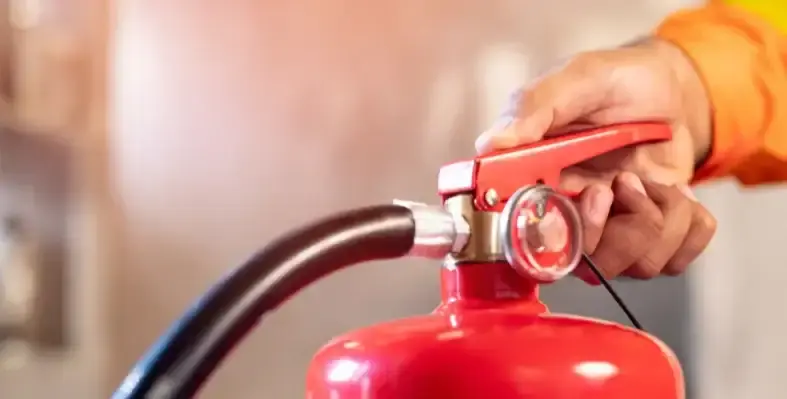
The six-month consultation seeks industry feedback on proposed restrictions on PFAS in firefighting foams
Proposed restrictions hope to combat the risks associated with per- and polyfluoroalkyl (PFAS) substances currently used in foams.
The UK Health & Safety Executive (HSE) has highlighted the risks associated with PFAS, including toxicity, with evidence suggesting PFAS can cause child developmental issues; cancer; and organ damage, mobility, as they easily travel through soil, water and air (with samples found in the Arctic); and persistence, with the chemicals known as 'forever chemicals'.
A six-month public consultation period, running until 18th February, 2026, hopes to establish stakeholder perspectives before introducing restrictions.
The director of the HSE's chemicals regulation division, Dr Richard Daniels, elaborated, "HSE’s proposals have been developed through robust scientific methodology and where possible we have spoken with interested parties from across Great Britain. Now we are looking for more information from our stakeholders.
"We’re seeking evidence-based feedback on our analysis to ensure any future restrictions are proportionate, effective and tailored to Great Britain’s specific needs."