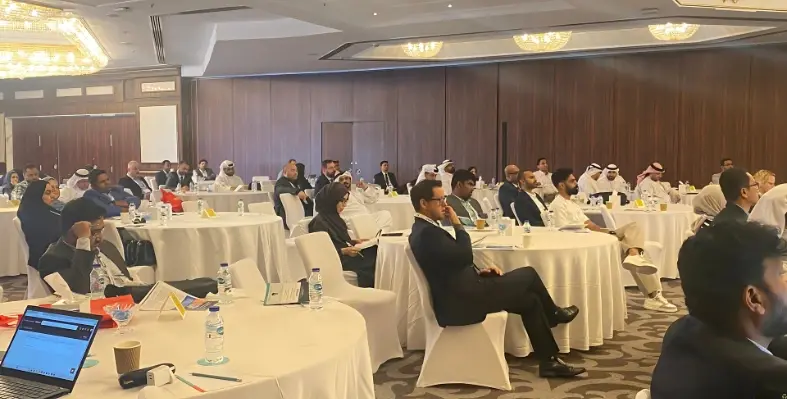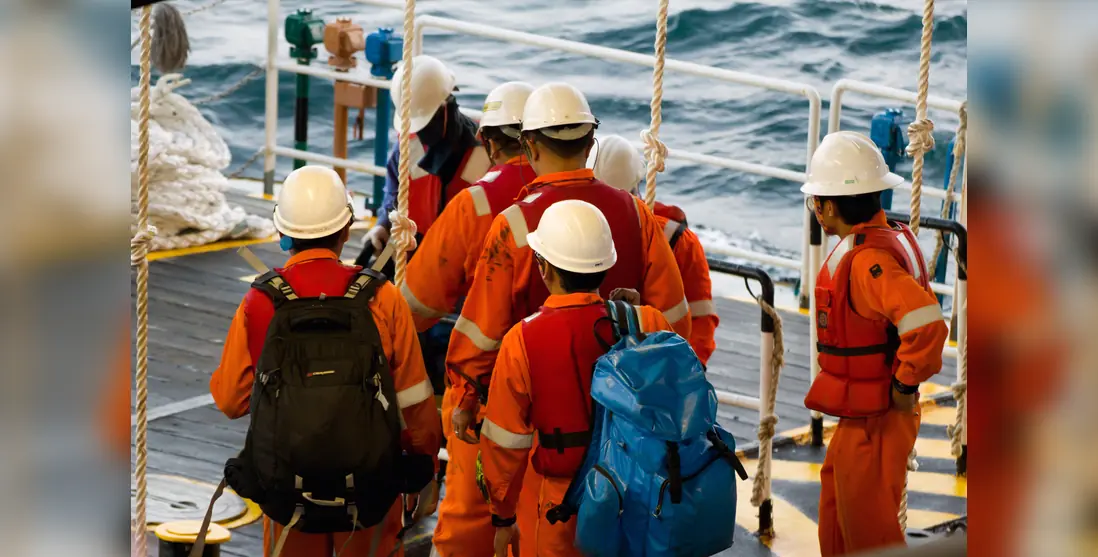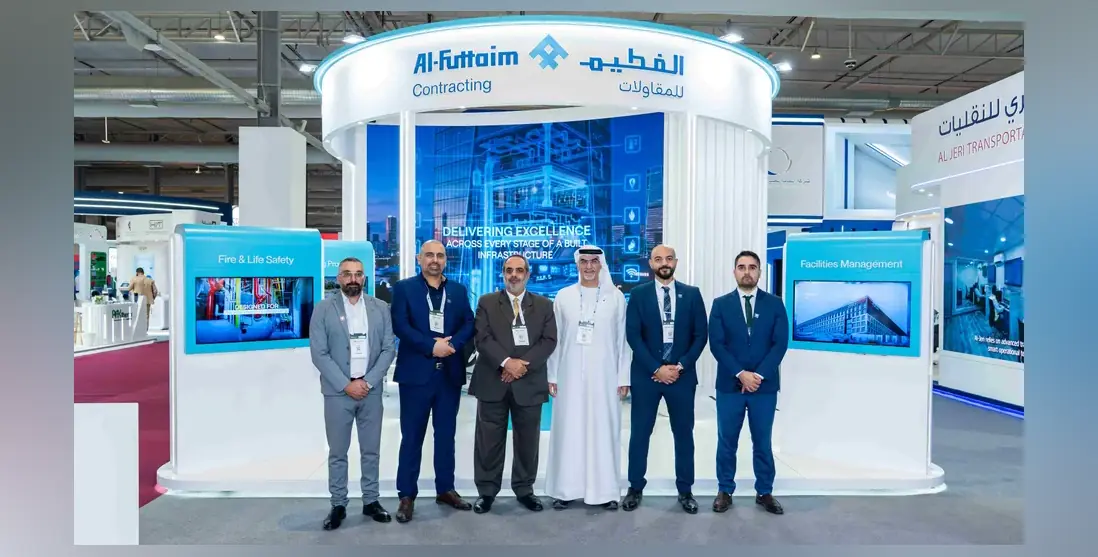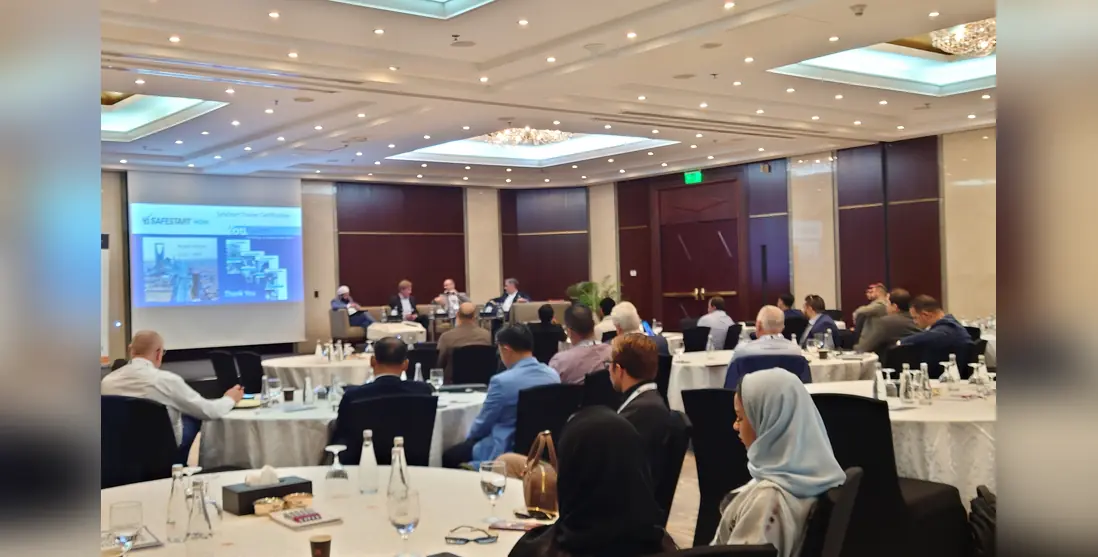
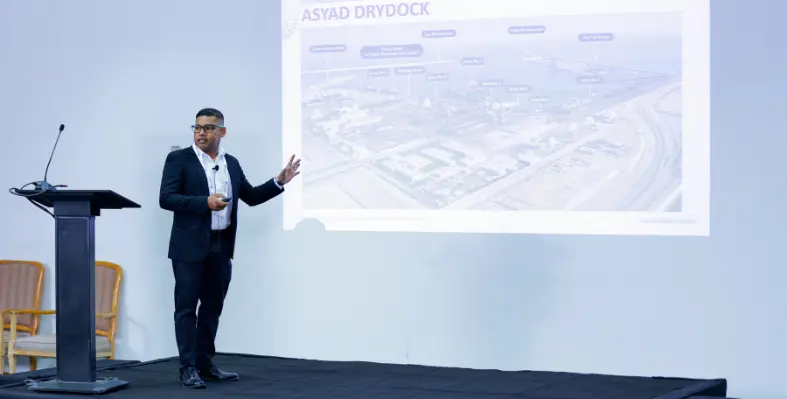
In an era where industrial landscapes are rapidly shifting, Asyad Drydock stands out as a testament to the power of strategic innovation. The company's Health Safety & Environment Head Ubaidul Haq addressed the HSE MENA 2025 conference, where he talked about the transformation of traditional shipbuilding and repair, infusing it with cutting-edge technologies and a holistic approach to health, safety, and environmental stewardship.
The foundation of Asyad Drydock’s success lies in its comprehensive infrastructure: encompassing two dry docks, five auxiliary docks, a floating dock, and a dedicated fabrication area. Its commitment to excellence is underscored by a suite of internationally recognised certifications, ranging from ISO 9001 to 22301 for business continuity management. These achievements not only bolster operational standards but embody a culture of accountability and resilience.
Central to this cultural shift is the integration of advanced safety systems. The implementation of a centralised fire alarm system, harmonised across all facilities, ensures rapid response to emergencies, whilst extensive CCTV coverage (now augmented by AI) reinforces both security and situational awareness.
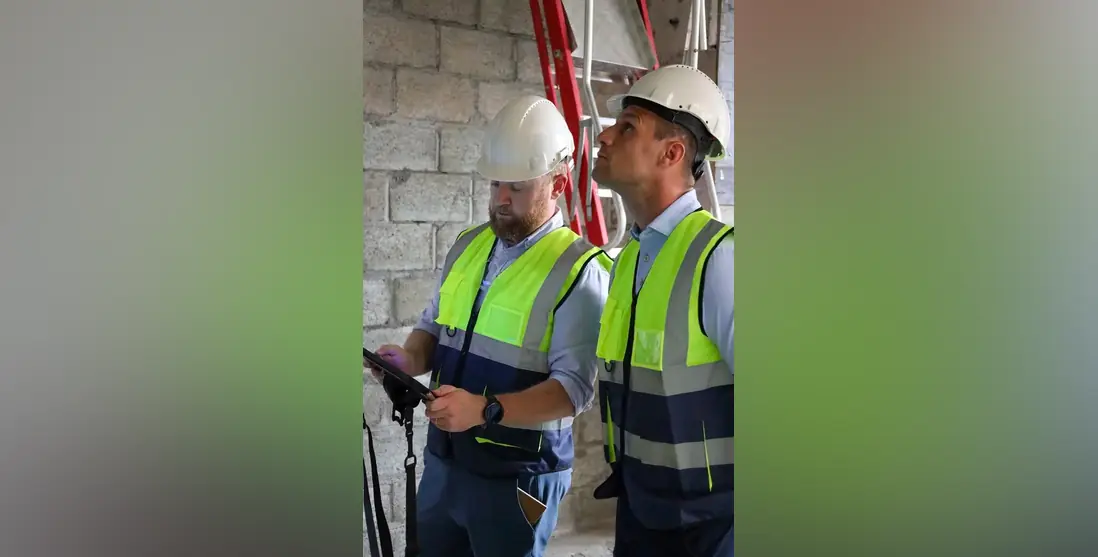
Rather than relying solely on human vigilance, Asyad Drydock’s approach leverages smart technology to detect anomalies such as unauthorised access, non-compliance with personal protective equipment (PPE) standards, and unusual activities, with automatic notifications routed to the appropriate level of management. This digital ecosystem transforms workplace safety from a reactive protocol into a proactive shield.
Mr Haq is especially attuned to the importance of Health, Safety, and Environment (HSE) digitalisation. The yard’s innovative HSE software not only facilitates comprehensive reporting, incorporating both registered and anonymous submissions, but also nurtures a safety-conscious mindset across a sizeable, diverse workforce. By democratising safety oversight, it empowers every worker to contribute to risk mitigation.
Looking beyond the present, Asyad Drydock is pioneering the use of virtual reality for immersive operator training, and robotics to automate hazardous tasks such as blasting. These developments not only elevate operational efficiency but significantly reduce exposure to occupational risks. Ambitious plans are also under way for digital dashboards that present real-time safety analytics, drone-assisted inspections for hard-to-reach areas, and camera-driven automation for emergency drills.
Environmental responsibility features prominently: the transition from grit blasting to hydro blasting, adoption of government-mandated waste treatment processes, and stringent controls to prevent marine pollution all demonstrate a progressive ethos, aligning operations with emerging regulatory and societal expectations.
Ultimately, Asyad Drydock serves as a microcosm of the maritime industry’s future, where digital transformation, environmental stewardship, and uncompromising safety standards intersect, forging a resilient path forward.