
In 2026, Bahrain has demonstrated a robust commitment to enhancing occupational health and safety (OHS) standards, reflecting a broader push towards sustainable development and digital innovation in the workplace.
This year has seen legislative amendments and technological adoptions aimed at reducing risks and fostering safer environments, particularly in high-risk sectors like construction and retail.
These trends underscore Bahrain's efforts to balance economic growth with worker wellbeing, drawing on data-driven strategies to minimise injuries and promote compliance.
A pivotal development occurred in January 2026 with the issuance of Edict No. (5) of 2026, which amends provisions of Edict No. (2) of 2015 concerning the Occupational Safety and Health Council.
This edict strengthens labour governance by refining the council's framework, emphasising proactive measures to address workplace hazards.
Proposed by relevant authorities and enacted by Salman bin Hamad Al Khalifa, it aims to bolster oversight and enforcement, ensuring that organisations prioritise health and safety protocols.
This legislative update aligns with Bahrain's vision for a resilient labour market, where preventative strategies take precedence over reactive responses.
Building on this, February 2026 introduced a new Resolution imposing stringent obligations on employers to elevate workplace safety.
Key requirements include implementing appropriate first aid arrangements tailored to workforce size and hazard levels, appointing certified first aid personnel at a ratio of one per every 20 employees, and designating overseers for maintaining supplies and coordinating with authorities.
These measures represent a shift towards institutionalised emergency preparedness, reducing the potential for occupational mishaps and enhancing response efficiency.
Digital transformation has also emerged as a key trend in Bahrain's OHS landscape.
The workplace safety market is witnessing increased adoption of digital tools and smart technologies for risk monitoring and management.
For instance, in early February, a Middle East-based facilities management firm signed a three-year agreement to deploy a digital health, safety, security, and environment (HSSE) platform for IKEA stores in Bahrain and Saudi Arabia.
This initiative leverages AI-driven solutions to strengthen compliance and safety, illustrating how technology is being integrated to create proactive, data-informed environments.
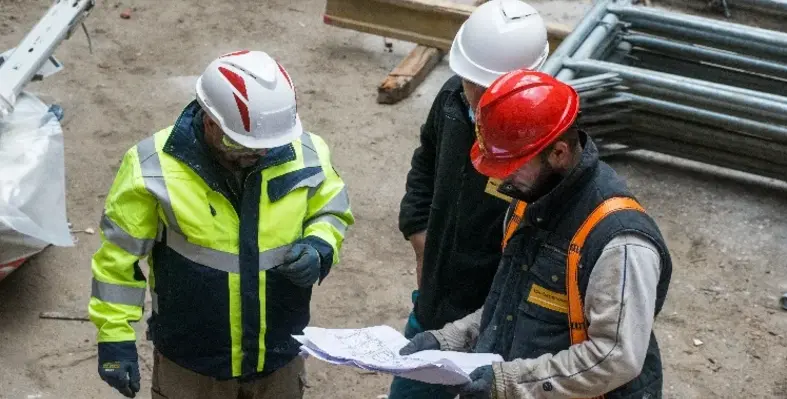
In the construction sector, Bahrain has achieved a notable reduction in occupational injuries through rigorous safety initiatives.
This success highlights the efficacy of sustained efforts in high-hazard industries, where enhanced training and equipment have yielded tangible results.
Furthermore, recent research explores OHS's role in sustainable development, examining how safety practices contribute to broader economic and environmental goals in Bahrain.
By linking health protocols to sustainability, the kingdom is fostering a holistic approach that supports long-term societal benefits.
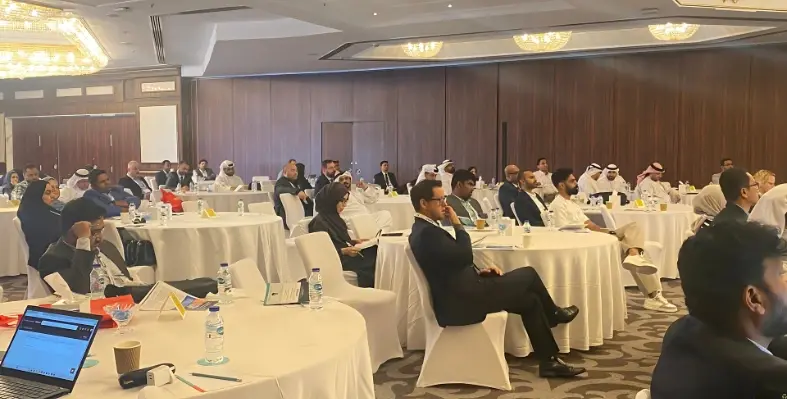
Looking ahead, 2026 events organised by industry publications, including those in Bahrain, are set to shape future OHS decisions by convening leaders to discuss emerging challenges and innovations.