

The treatment of migrant workers in Saudi Arabia is again under the spotlight following the publishing of a new report by Amnesty International.
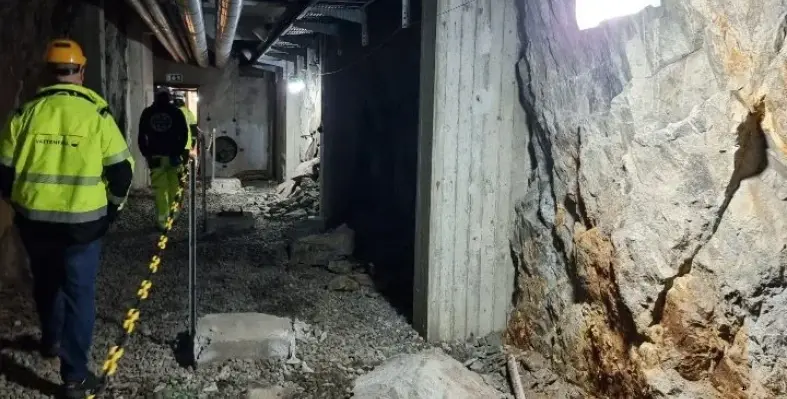
The 42-page report focuses on migrant workers on the Riyadh Metro project who, it claims, were forced to pay exorbitant recruitment fees, worked in dangerous heat and earned pitiful wages during a decade of abuse.
The report — titled ‘Nobody wants to work in these situations: A decade of exploitation on the Riyadh Metro project’ — documents labour abuses on one of Saudi’s flagship infrastructure projects.
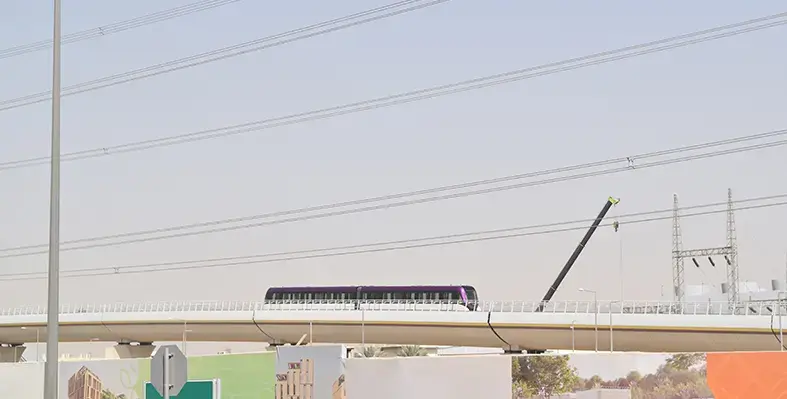
Promoted as the ‘backbone’ of Riyadh’s public transport system, the newly opened metro was built by leading international and Saudi firms under government direction and is slated for further expansion.
However, many of the workers Amnesty interviewed were charged illegal fees to secure work and then endured long, arduous hours in sometimes unsafe conditions for minimal, discriminatory pay.
It claimed it spoke to 38 men from Bangladesh, India and Nepal who were employed by a range of foreign and Saudi companies, including main contractors, subcontractors and labour suppliers, between 2014 and 2025.
Many workers reported facing various abuses, such as passport confiscation, overcrowded and unsanitary living conditions, poor-quality food, and discriminatory treatment based on job rank.
For nearly all, the abuse started before they left home, but continued upon arrival in Saudi Arabia.
“The Riyadh Metro is hailed as the backbone of the capital’s transport system, yet beneath its sleek exterior lies a decade of abuses enabled by a labour system that sacrifices migrant workers’ human rights,” said Marta Schaaf, Amnesty International’s Director for Climate, Economic Social Justice and Corporate Accountability.
Schaaf added that it exposes a glaring failure by the government to enforce protections and dismantle a system that leaves workers at high risk of exploitation.
The report also flagged inspections that focus more on compliance with Saudization targets and the legality of migrant workers’ employment status than on safeguarding rights.
“As Saudi Arabia pushes ahead with high-profile giga-projects, including the 2034 World Cup, the authorities must completely dismantle the kafala sponsorship system and rigorously enforce labour laws in line with global human rights standards,” said Schaaf.
“Strengthening safeguards and ensuring accountability for the millions of migrant workers who make these ventures possible is the only way to ensure they are no longer treated as disposable.”
For companies operating in Saudi Arabia, the findings should alsoserve as a clear warning.
“Without robust processes in place early on and an adequate plan to address any human rights concerns, businesses risk being directly linked or contributing to systematic labour abuses,” Schaaf added.