A new systematic review has raised concerns over the growing burden of occupational noise-induced hearing loss (ONIHL) in Saudi Arabia, highlighting significant gaps in awareness and preventive practices across high-risk sectors.
The study, which analysed seven cross-sectional investigations conducted between 2016 and 2023, found that hearing loss linked to workplace noise exposure varies dramatically depending on occupation and diagnostic methods. Prevalence rates ranged from as low as 2% to as high as 71.6%, with the most severe cases reported among military personnel.
Researchers reviewed data from 1,481 participants across multiple regions, covering professions such as dental practitioners, technicians, medical students and armed forces personnel. The findings suggest that prolonged exposure to high noise levels, combined with insufficient protective measures, remains a major occupational health challenge.
Military environments were identified as particularly vulnerable, with studies showing that more than half of personnel lacked awareness of the risks associated with sustained noise exposure. Notably, none of the participants in one study reported consistent use of hearing protection, while only a minority had undergone regular hearing assessments.
In comparison, dental professionals demonstrated lower reported prevalence rates, although researchers caution that this may reflect underdiagnosis rather than reduced risk. Dental clinics are known to generate significant noise through equipment such as drills, compressors and polishing tools, which can expose workers to potentially harmful decibel levels over extended periods.
Across all occupational groups, the review identified a recurring pattern of limited knowledge and weak adoption of preventive measures. Even among medical and dental students, awareness levels were inconsistent, with just under 60% demonstrating adequate understanding of noise-related hearing risks.
The study also highlights key risk factors associated with ONIHL, including age, years of professional experience and duration of exposure to noisy environments. These findings reinforce the link between cumulative noise exposure and irreversible hearing damage, which can significantly affect communication, productivity and overall quality of life.
Beyond auditory impairment, the report notes broader health implications. Hearing loss has been associated with increased risks of social isolation, mental health challenges and even cardiovascular conditions, placing an additional burden on healthcare systems.
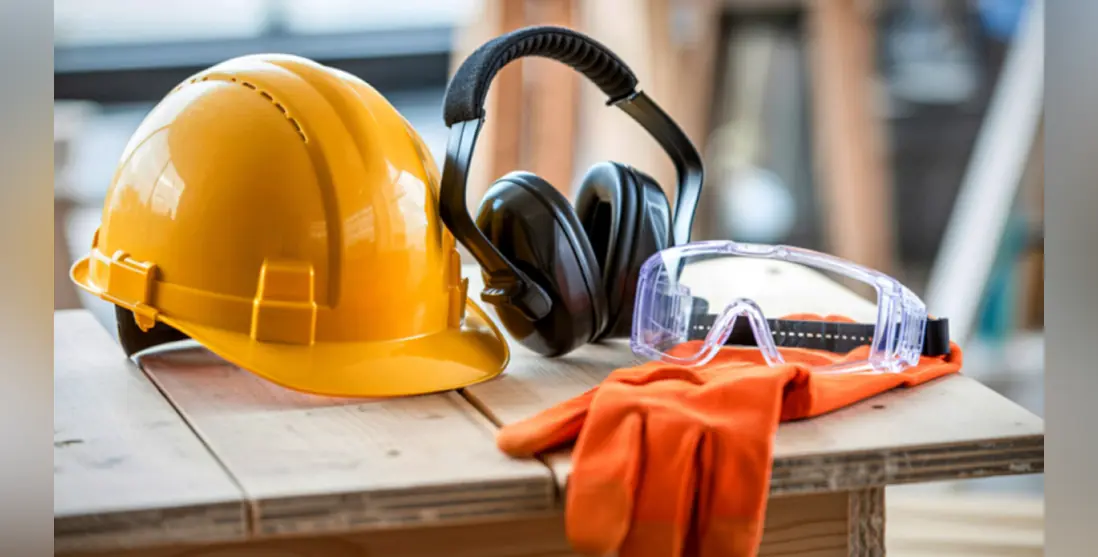
Despite these risks, the condition remains largely preventable. The authors emphasise the importance of implementing comprehensive hearing conservation programmes, including routine audiometric testing, stricter enforcement of workplace noise limits and mandatory use of personal protective equipment such as earplugs and earmuffs.
Education and awareness campaigns are also seen as critical to improving outcomes. Embedding occupational health training into medical and technical curricula could help bridge the gap between knowledge and practice, particularly in sectors where noise exposure is unavoidable.
The researchers conclude that addressing ONIHL will require coordinated efforts from policymakers, employers and healthcare professionals. With Saudi Arabia undergoing rapid industrial and economic expansion, proactive strategies will be essential to safeguard workforce health and mitigate long-term socio-economic impacts.