The International Labour Organization (ILO) has called for urgent global action to address psychosocial risks in the workplace, warning that more than 840,000 deaths each year are linked to such factors.
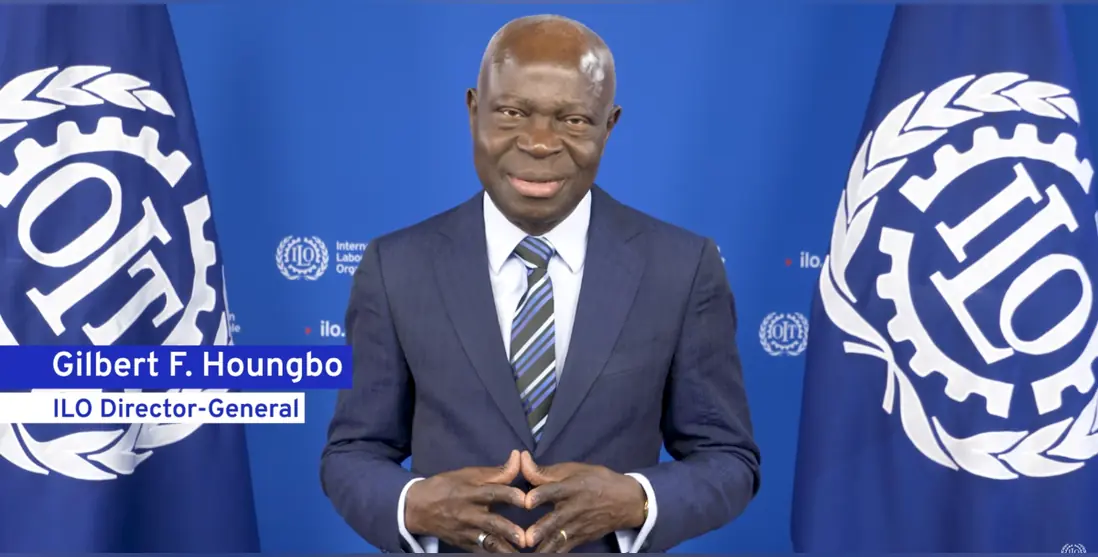
Marking World Day for Safety and Health at Work 2026, ILO Director-General Gilbert F. Houngbo highlighted the growing importance of mental health, job design and workplace culture in shaping workers’ overall wellbeing.
According to the ILO, rapid changes in the global labour landscape – driven by digitalisation, evolving employment models, demographic shifts and climate pressures – are transforming how work is organised. These changes, while offering new opportunities, are also intensifying psychosocial risks that can significantly affect workers’ safety, health and dignity.
The organisation stressed that work plays a central role in people’s lives, offering purpose, security and opportunity. However, poorly designed or managed work environments can have the opposite effect, contributing to stress, mental health disorders and even physical illness. Psychosocial risk factors have been strongly associated with cardiovascular diseases and mental health conditions, underscoring the scale of the challenge.
Beyond the human toll, the ILO noted that these risks impose substantial economic and social costs, affecting productivity, increasing healthcare burdens and undermining organisational resilience. As such, creating safe and healthy working environments is not only a moral imperative but also a key driver of sustainable economic performance.
The ILO reiterated that safe and healthy workplaces are a fundamental principle and right at work, but achieving this requires deliberate action. Effective job design, manageable workloads, supportive leadership and inclusive workplace cultures are all critical components in reducing psychosocial risks.
"For workers in every sector, psychosocial factors at work can make the difference between a job that supports well-being and one that undermines it," Houngbo said.
The agency emphasised that responsibility must be shared across all stakeholders. Governments are urged to establish robust policies, legal frameworks and occupational safety and health systems that prioritise prevention. Employers, meanwhile, play a crucial role in shaping day-to-day working conditions through responsible management practices and leadership. Workers and their representatives also contribute valuable insights into workplace realities, enabling more effective interventions.
The ILO called for stronger collaboration through social dialogue to address these issues comprehensively. By working together, stakeholders can ensure that the organisation and management of work promote healthier employees, more resilient businesses and societies that are closer to achieving social justice.
The appeal aligns with the ILO’s broader vision of decent work, which places human dignity, safety and wellbeing at the centre of economic development.