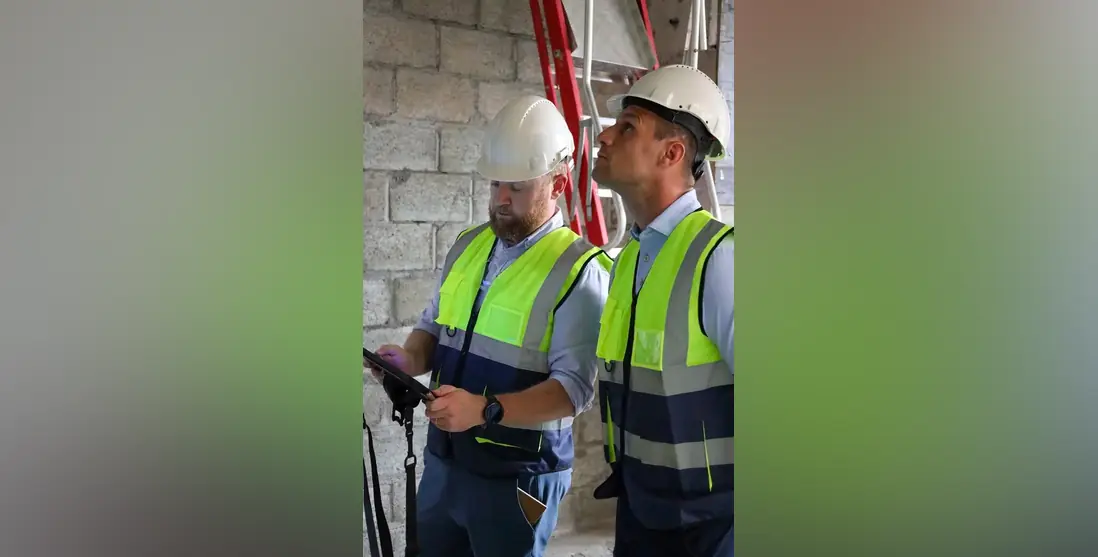
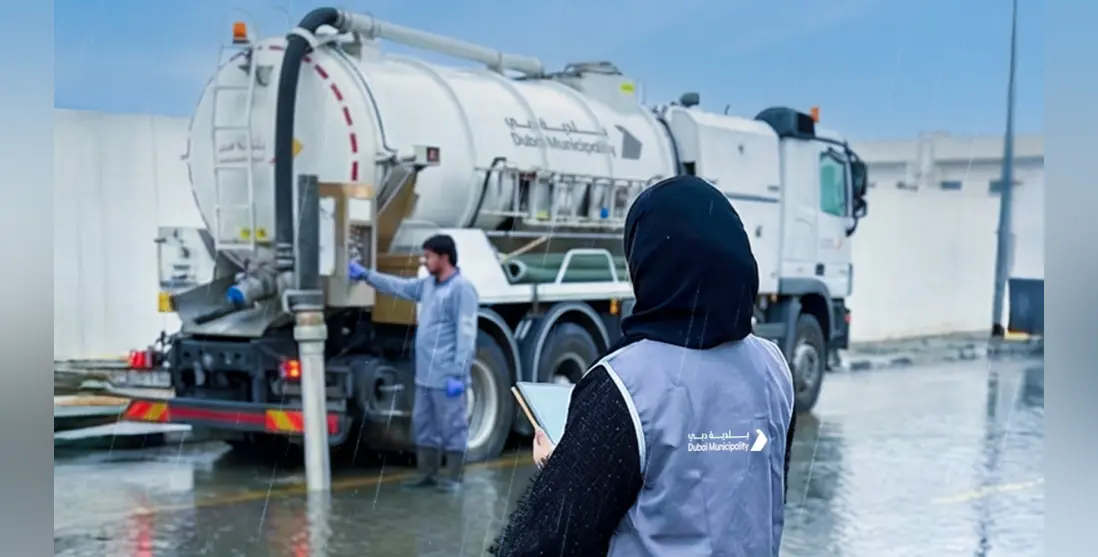
Dubai Municipality has confirmed it successfully mitigated the impact of the recent “Azm” low-pressure weather system through a coordinated emergency response, ensuring public safety and maintaining essential services across the emirate.
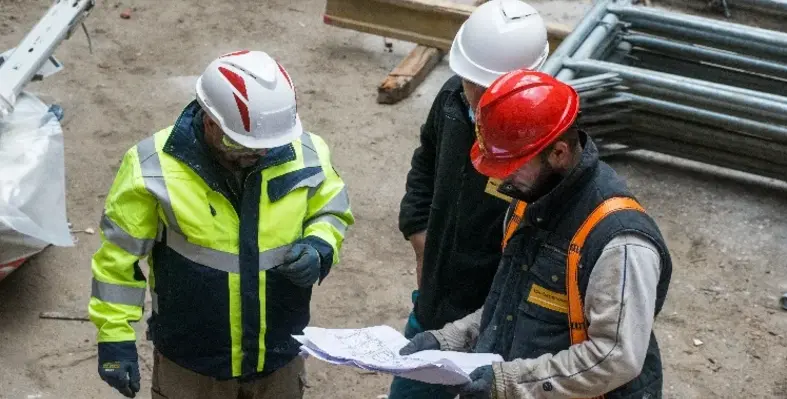
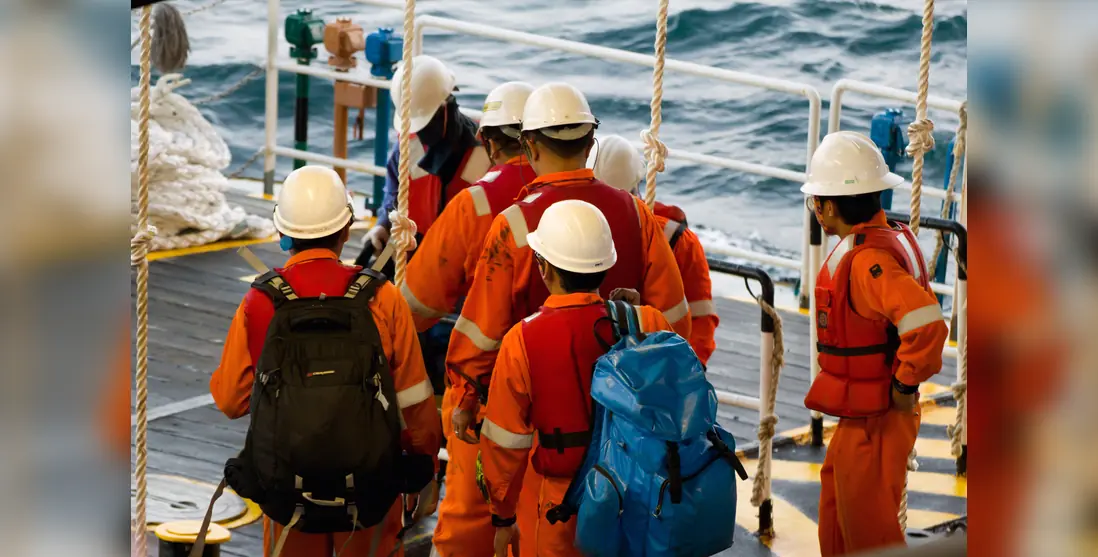
Authorities activated an integrated operational framework as adverse weather conditions developed, deploying approximately 3,500 personnel, including engineers, supervisors, field teams and specialised rescue units. The response was supported by a fleet of more than 1,200 vehicles and machines, ranging from water tankers and pumps to cranes and heavy-duty equipment, enabling swift intervention across affected areas.
During the event, the municipality handled over 15,000 calls and thousands of digital interactions via its smart systems, while resolving more than 4,000 field reports. These included incidents such as water pooling, blocked drainage systems, fallen trees and road clean-up operations, reflecting the scale and complexity of the response effort.
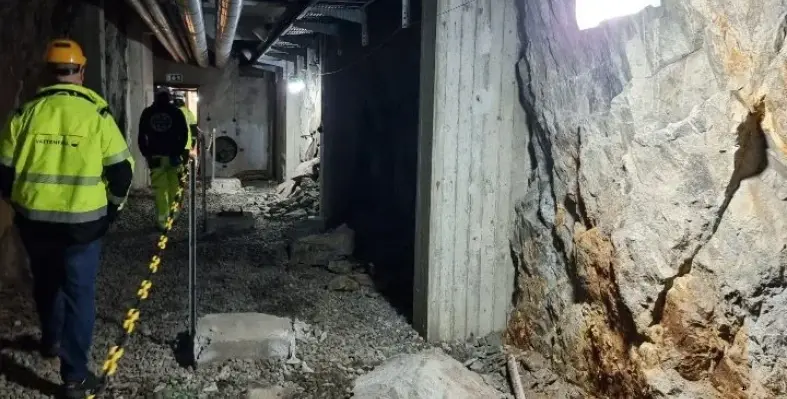
Dubai’s drainage infrastructure played a central role in managing the situation, handling more than 12 million cubic metres of rainwater. Pumping stations accounted for the majority of the volume, supported by deep drainage tunnels and mobile tanker operations. The emirate’s network, comprising tens of thousands of drainage points and an extensive pipeline system, enabled the efficient removal of the vast majority of stormwater.
Officials said the response followed a structured, phased approach. Initial preparations focused on readiness, including equipment deployment and system checks. This was followed by the activation of emergency protocols to address immediate challenges and ensure continuity of municipal services. A final recovery phase facilitated the return to normal conditions across the city.
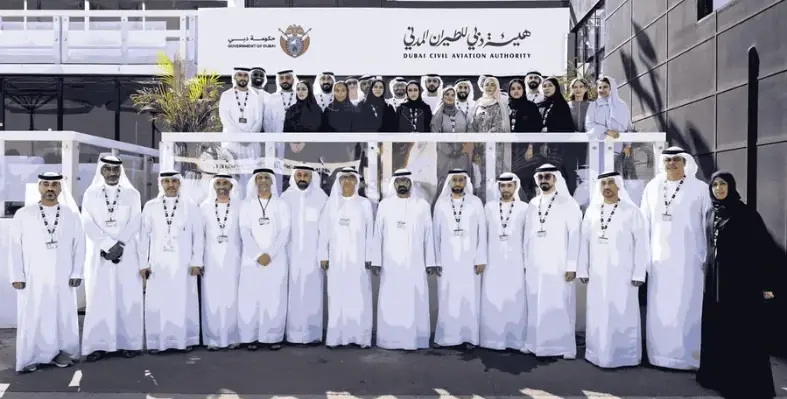
Eng. Adel Mohammed Al Marzouqi, CEO of the Waste and Sewerage Agency, said, “Dubai’s response to the recent weather conditions demonstrates the strength of an integrated operational model built on preparedness, coordination, and advanced infrastructure. Our priority remains the safety, wellbeing, and quality of life of the community, supported by proactive planning and rapid response capabilities that enable us to manage challenges efficiently under all conditions.”
He added, “We remain committed to continuously advancing stormwater and wastewater infrastructure to ensure it meets the highest standards of resilience, sustainability, and future readiness.”
Public facilities, including beaches and parks, were managed under strict safety protocols, with temporary closures implemented where necessary. Around 1,000 personnel were deployed to oversee these areas, supported by advanced technologies such as drones, marine rescue systems and automated monitoring tools.
Recovery efforts were completed swiftly, with beaches reopening within six hours and parks within 24 hours. Clean-up operations included clearing debris, removing fallen trees and draining residual water to restore safe conditions.
The municipality said uninterrupted wastewater and drainage operations were maintained throughout, ensuring road safety and minimising disruption despite the challenging weather conditions.